
Why Handcrafted Timber Furniture NZ Is Worth Every Dollar

Handcrafted timber furniture NZ refers to solid wood pieces built by hand using locally sourced timber, offering superior durability, unique character, and a significantly lower environmental footprint than mass-produced alternatives. If you're looking for furniture that lasts decades rather than years, this is where to start.
Walk into any home furnished with handmade wooden pieces and you feel it immediately. There's a warmth, a texture, and a presence that flat-pack or factory-made furniture simply cannot replicate. Whether it's the way light falls across the grain of a rimu dining table, or the weight of a well-joined kauri shelf, locally made wood furniture carries something extra. It tells a story about the hands that built it, the trees it came from, and the place it was made.
In Richmond, Nelson, that story is being told one piece at a time by craftspeople who genuinely care about what they put into the world.
Key Takeaways
Handcrafted timber furniture NZ outlasts factory-made alternatives by decades when properly maintained.
Locally sourced timber dramatically reduces the carbon footprint compared to imported furniture.
Richmond timber crafts represent a specific tradition of skilled, intentional making that produces genuinely custom results.
The upfront cost of handcrafted furniture is offset by longevity, repairability, and avoided replacement costs.
Choosing locally made wood furniture supports New Zealand craftspeople and responsible forestry.
Sustainable timber furniture is not a marketing label when it's backed by transparent sourcing and construction practices.
What Sets Handcrafted Wood Apart From Factory-Made Furniture
There's a reason people keep coming back to solid timber. It's not nostalgia. It's physics, aesthetics, and practicality all working together.
Factory-produced furniture is almost always built to a price point, not a lifespan. Medium-density fibreboard (MDF), particleboard, and thin veneers are the standard materials because they're cheap to produce at scale. They look fine in a showroom but rarely survive more than five to eight years of genuine household use, especially in a family home.
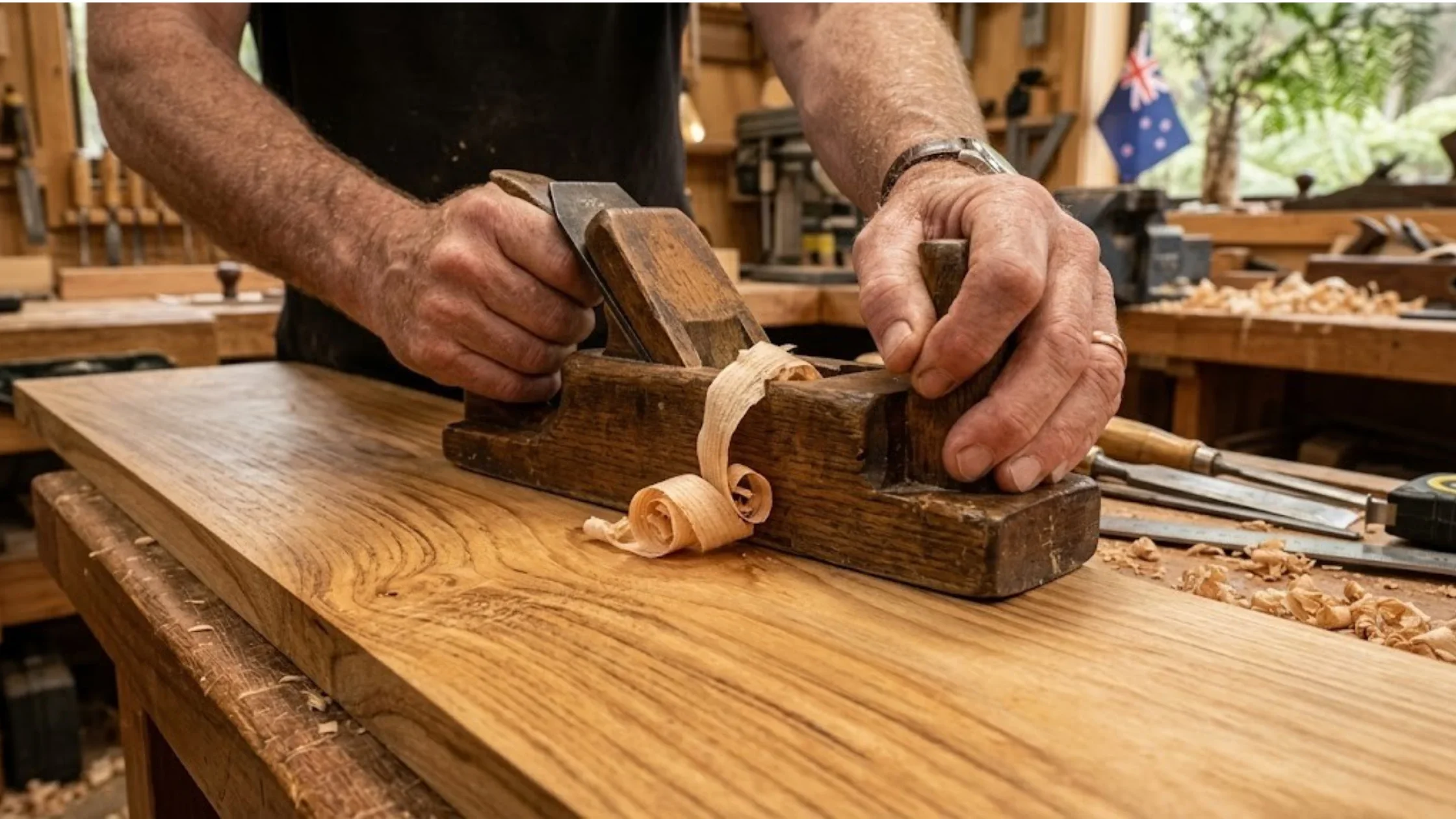
Handcrafted timber furniture, by contrast, is built around the wood itself. A skilled craftsperson selects each board for its grain, density, and structural integrity. Joinery methods like mortise-and-tenon, dovetail, and hand-cut dado joints are used because they hold. Not just for now, but for decades.
Here's a quick comparison that makes the difference clear:

The numbers make it clear. When you factor in replacement costs over a 30-year period, durable wooden furniture typically works out far cheaper than buying and binning factory alternatives every few years.
The Environmental Case for Sustainable Timber Furniture
Sustainability in furniture is more nuanced than most people realise. It's not just about whether a tree was cut down. It's about where the timber came from, how far it travelled, how it was processed, and what happens to it at the end of its life.
When you choose sustainable timber furniture made in New Zealand using locally sourced wood, you're making a choice that affects all of those factors positively.
Imported furniture, even pieces marketed as "eco-friendly", often travels thousands of kilometres by sea freight before arriving in New Zealand. Manufacturing in countries with lower environmental standards can involve adhesives, finishes, and processing methods that would not meet New Zealand regulations. The timber itself may come from forests with questionable management practices.
Local sourcing flips that entire equation. You can read more about how locally sourced timber carbon footprint compares to imported alternatives, and the difference is striking. When timber is felled, milled, and crafted within the same region, transport emissions are minimal. When it's built to last a lifetime, there's no landfill contribution for decades.
Plankville's approach to timber selection reflects this thinking. Every piece of timber is chosen deliberately, with waste minimised and off-cuts repurposed wherever possible. That kind of intentional making is the foundation of genuinely sustainable timber furniture.
Key environmental benefits of choosing locally made wood furniture:
Significantly reduced transport-related carbon emissions
Support for responsible New Zealand forestry practices
Longer product lifespan means less furniture in landfill
No toxic adhesives or synthetic fillers common in MDF alternatives
Keeps economic value within the local community

Richmond Timber Crafts: What Local Expertise Actually Looks Like
Richmond, in the Nelson-Tasman region, has a quiet but genuine tradition of skilled timber work. The region's connection to forestry, combined with a culture of practical craftsmanship, has produced woodworkers who understand both the material and the people they're building for.
Richmond timber crafts aren't just a local industry. They represent a specific approach to making things: thoughtfully, slowly, and with real attention to how a piece will live in someone's home over many years.
At Plankville, that expertise is embedded in every stage of the process. From species selection to finish application, every decision is made by someone who has spent years learning what wood does, how it moves with humidity, how it ages, and how it responds to different joinery and surface treatments. You can get a fuller picture of the team and their approach by reading about meet the makers plankville timber craftsmen, which gives a genuine look at who's behind the work.
This is also where custom work becomes genuinely valuable. A mass-market catalogue will give you a table that fits a room. A Richmond craftsperson will give you a table that fits your life: your ceiling height, your family size, your preferred finish, your budget, and your taste.
To explore the full range of our services at Plankville, including custom commissions and workshop projects, the detail is all there. It's not a simple product list. It's a reflection of what's possible when skill meets intention.
Understanding What You're Paying For
Price is often the sticking point when people consider handcrafted timber furniture NZ. A handmade dining table will cost more upfront than its flat-pack equivalent. That's true and worth acknowledging honestly.
But the framing matters. You're not just paying for a table. You're paying for:
Hours of skilled hand labour rather than machine time
Timber selected for structural integrity, not just appearance
Joinery methods that last 50 years, not five
A piece that can be refinished rather than replaced
Direct support for a local business and craftsperson
If you want to understand exactly what goes into the pricing, the blog post on what impacts price handcrafted timber furniture nz breaks it down in plain terms. Timber species, complexity of joinery, finishing requirements, and lead time all play a role. Knowing this helps you make a smarter buying decision rather than comparing apples with oranges.
When you visit and browse the available wood products, you'll see that pricing reflects real material and labour costs, not inflated margins. It's transparent, and it's fair.
Things to Know
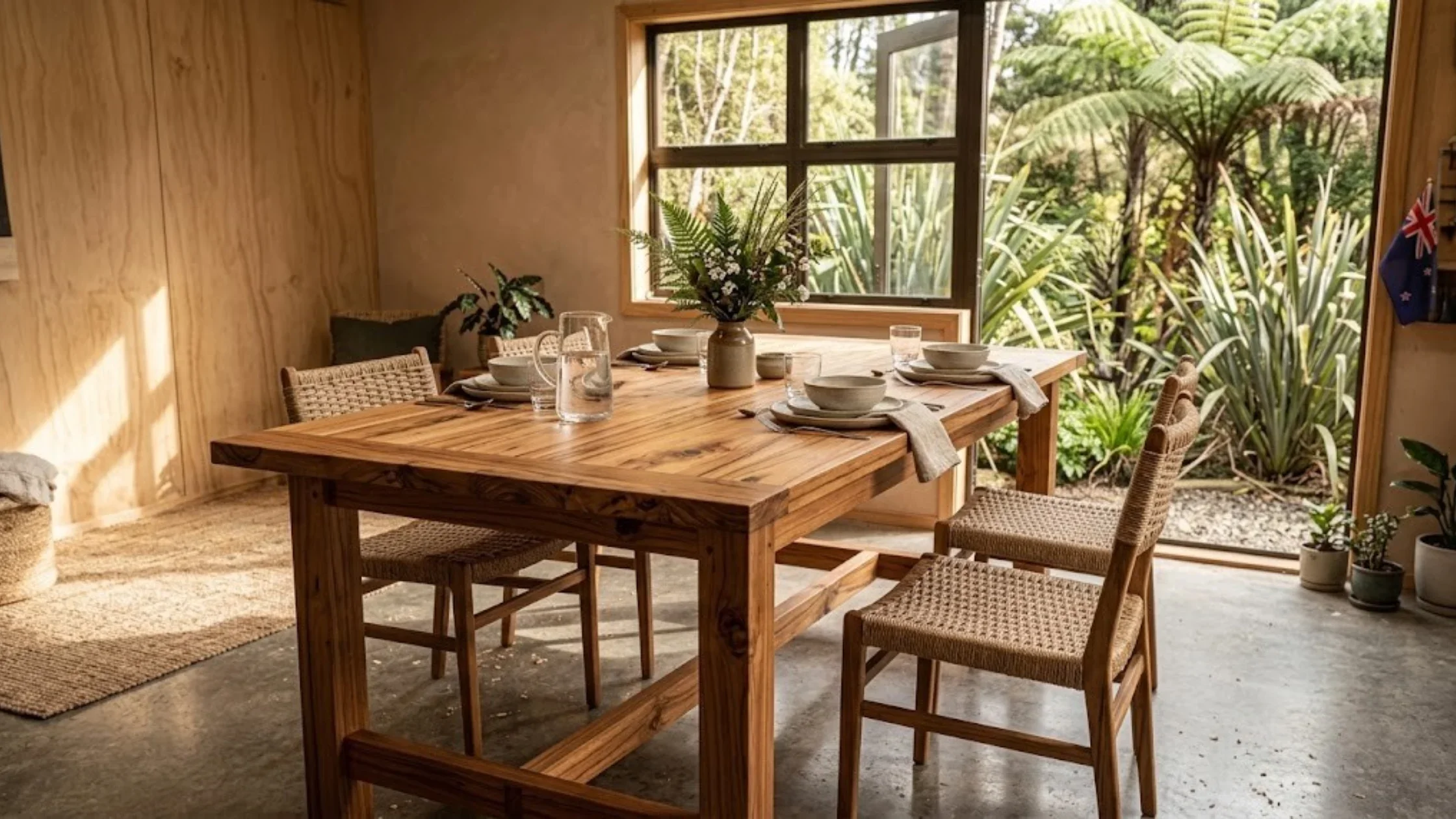
Solid timber furniture moves slightly with seasonal humidity changes. This is normal and not a defect. It's a sign of genuine wood, not filler.
Not all "timber" furniture is solid wood. Always check whether you're buying solid timber or a veneer over MDF before committing.
Refinishing a timber piece costs a fraction of replacing it. A light sand and re-oil can make a 20-year-old table look new again.
Lead times for custom handcrafted pieces are longer than buying off the shelf, typically four to twelve weeks depending on complexity. Plan ahead.
Locally made wood furniture often qualifies for repair rather than insurance replacement, saving you money long-term.
Giving gift vouchers plankville is a thoughtful option for someone who wants to choose their own piece or experience a workshop.
Ready to Bring Real Timber Into Your Home?
Start with a conversation. Head to contact us at Plankville to discuss what you're looking for, whether that's a custom dining table, a bedroom piece, shelving, or something else entirely. The team is based in Richmond and works with you directly from brief to finished piece. Come in with an idea, a rough measurement, or even just a photo of the space, and go from there.

FREQUENTLY ASKED QUESTIONS
-
Yes, when you account for lifespan and repairability, handcrafted timber furniture is almost always more cost-effective over time.
A factory-made piece at a lower price point may need replacing within a decade. A well-built solid timber piece, maintained with occasional oiling or refinishing, can last 50 years or more. Over a 30-year period, the maths strongly favour the handcrafted option.
-
New Zealand craftspeople commonly work with native and plantation species including rimu, kauri, macrocarpa, and pine, each with distinct properties.
Rimu is prized for its fine grain and warm colour. Macrocarpa is a popular plantation timber with excellent workability. The species choice affects both aesthetics and price, so it's worth discussing your preferences with your maker.
-
Most solid timber furniture needs only occasional dusting, and an oil or wax treatment once or twice a year keeps it in excellent condition.
Avoid placing timber furniture in direct sunlight for extended periods or near heat sources like radiators, as this can cause uneven drying and cracking. If the surface becomes scratched or dull, a light sand and re-oil restores it quickly.
-
Yes, Plankville specialises in custom commissions built to your specific dimensions, timber preference, and finish requirements.
You can learn more about Plankville's approach to custom work on their website, or contact the team directly to discuss your project. Lead times vary by complexity.
-
Yes, buying locally made wood furniture significantly reduces transport emissions and supports responsible New Zealand forestry practices.
Imported furniture often travels tens of thousands of kilometres before reaching your home. Locally made pieces also tend to use fewer synthetic adhesives and finishes, reducing chemical exposure in your home and at end-of-life.
The Bottom Line on Handcrafted Timber Furniture NZ
Choosing handcrafted timber furniture NZ is a decision that pays off across multiple dimensions: the quality of what you live with every day, the environmental impact of how it was made, and the long-term value it holds in your home. There's no shortcut to that kind of furniture, and that's precisely the point.
If you're ready to move away from disposable furniture and invest in something that gets better with age, Plankville in Richmond is a genuinely good place to start. Browse the range, read about the makers, and when you're ready, reach out. The best furniture you'll ever own starts with a single conversation.
