
What Impacts the Price of Handcrafted Timber Furniture in NZ?
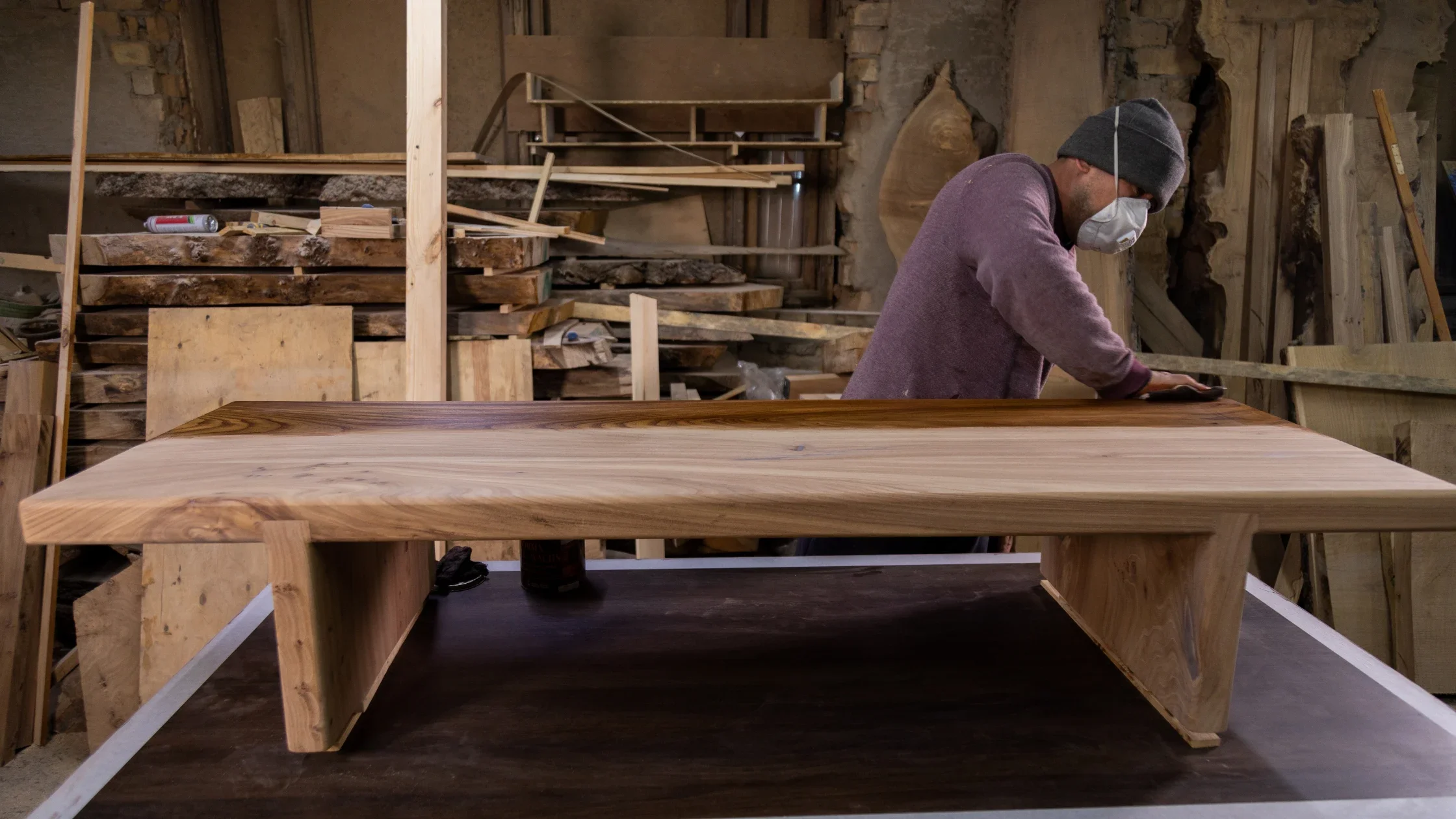
Wood Type, Drying Period, Work & Skill (Plankville Guide)
Ever asked yourself "Why does handmade wood furniture cost more than flat‑pack or imported items?" It's a good question — one that many New Zealanders think about before they ask or buy. The quick answer: quality, attention, and skill aren't cheap — but they're worth the money. In this post, we'll show you what has an impact on the price of handmade wooden furniture in New Zealand for pieces crafted by hand at Plankville. We'll explain the real cost factors — from wood selection to drying time, work hours, and expert craftsmanship — so you'll know what to expect when you ask for a price or place an order.
Whether you're thinking about a stunning live‑edge dining table, a tailor-made garden bench, or a one-of-a-kind shelving unit, this guide will give you insight into what makes these items special — and why they cost what they do.
Key Takeaways
Wood selection has a big impact on price — harder, scarcer, and sourced woods are pricier.
Drying and prep work take time but are crucial to ensure stability and long life.
Expert workmanship is a big part of the cost but results in top-notch quality and toughness.
Artistry & personalization make each item unique and worth the money.
Picking NZ-made wood furniture is a smart choice for looks and sustainability.
The Real Story Behind Price Tags
Picture yourself entering your living room and spotting a beautiful solid wood table that's more than just furniture — it's a slice of nature you can feel and appreciate every day.
But when you search online, you find similar designs that cost way less. So why does handmade wooden furniture come with a higher price tag?
It's because there's a lot more to it than just a number on a label. Each handcrafted piece involves:
picked wood with its own unique history,
Long periods of prep work and drying,
Skilled craftspeople shaping and putting together every part,
And a guarantee that your furniture will stand the test of time.
These aren't just things you buy — they're future family treasures.
What Makes the Price Go Up
Let's break down the main things that drive up the price and explain them in a way everyone can get.
1. Type of Wood — Different Woods Cost Different Amounts
The wood itself has a big impact on the final price. Wood types vary a lot in how easy they are to find how long they last, and how they look.
Some woods — like macrocarpa and cedar — are known to be strong and have nice-looking grain, but they also cost more because they:
Need time to grow and dry out,
Come from chosen responsible suppliers,
Often have unique colors and patterns that cheaper materials can't match.
At Plankville, each wooden board undergoes inspection and selection for its future product - be it outdoor garden beds, slabs & flitches, or custom furniture - to ensure attractiveness and durability.
This meticulous wood selection is crucial: softwoods like pine cost less because they grow quicker and are easier to handle, while hardwoods and specialty NZ‑grown boards often have a higher price tag due to slow growth and superior character.
👉 Find out more about the wood options at Plankville Wood Products.
2. Drying Time — Patience Brings Rewards
cut wood has moisture in it. When timber isn't dried right, it might bend, split, or crack later on — ruining the piece and cutting its lifespan short.
Drying wood naturally (called air drying) and using a kiln both need time — anywhere from a few days to several weeks based on how thick the wood is and what type it is. While this happens, Plankville makes sure to:
Keep an eye on how much moisture is left,
Let the wood adjust at its own pace,
Avoid putting stress on the wood that could cause problems in the final furniture.
This step can't be rushed. Trying to dry wood too fast might save some time, but it makes the wood less sturdy — and leads to letdowns in the long run.
3. Skilled Workers — Good Craftsmanship Costs Money
Labor has a major impact on the cost of handmade furniture. Each cut, shape, joint, and finish takes hours of work by talented woodworkers.
Unlike items that roll off assembly lines handmade pieces need:
Careful measuring and planning,
Hand-shaped joints that fit perfectly,
Close attention to the wood's natural features,
Thorough sanding and finishing by experienced craftspeople.
These artisans — like the ones at Plankville — aren't machines. Their many years on the job give them insights and fine-tuned skills that mass production can't match.
In NZ, labor costs are higher than in overseas factories — but this results in furniture with lasting durability, personality and essence.
4. Workmanship & Design — One-of-a-kind and Tailored
When craftsmen make furniture by hand, each piece becomes unique. Even two chairs made from the same wood will show different grain patterns and features.
This level of tailored design and workmanship has an impact on cost in these ways:
Taking custom measurements and working with clients takes time,
Skillful joinery and design add value,
Each piece has its own story — it's not "built from a template".
Plankville often teams up with customers to customize dimensions, finishes or features ensuring the piece fits your space — not just "looks good from far away".
Why Handcrafted Timber Furniture Is Worth It
You might wonder: Does this craftsmanship justify the cost? The answer is a firm yes — and here's why:
Made to Last (Not to Break)
Craftsmen build handmade timber furniture to use — and to endure for decades, maybe even generations. Unlike cheap materials that fall apart solid timber grows more beautiful with age.
A Tale in Every Grain
Each Macrocarpa slab, cedar tabletop, or reclaimed timber garden box tells a unique story making it more than just a piece of furniture in your home.
Tailored to Your Lifestyle
Custom builds - for kitchen benches, shed seating, or garden planters - ensure your furniture suits your home and way of life, not the other way around.
Eco-friendly and Homegrown
Choosing NZ-made timber and local craftsmanship at Plankville helps responsible forest management and cuts down on carbon emissions compared to imported products.
👉 Learn how Plankville selects timber from local sources.
Move Forward with Plankville
If you want to check out handmade wooden furniture that suits your house — from well-made indoor items to outdoor garden stuff — Plankville is here to help.
Get in touch with Plankville today to:
Talk about your idea,
Get a special price,
Or stop by the sawmill and watch skilled work in progress.
👉 Head to Plankville Contact Us to begin your wood adventure.
FREQUENTLY ASKED QUESTIONS
-
It uses better wood, needs more time to dry and get ready, and skilled workers build it — this means it lasts longer, looks nicer, and stands out more.
-
Hardwoods and unique NZ species tend to be pricier because they grow slower, have limited supply, and show special grain patterns.
-
Well-dried timber stops warping, cracking, and long-term problems — making sure the final product stays stable and high-quality.
-
It depends on the design and size — simple pieces might need just a few days, but big custom projects could take several weeks.
-
Yes — NZ‑made timber furniture helps local craftspeople, uses eco-friendly materials, and stands the test of time better than many imported options.
