
The ‘Work-from-Shed’ Movement: Creating a Timber Garden Office
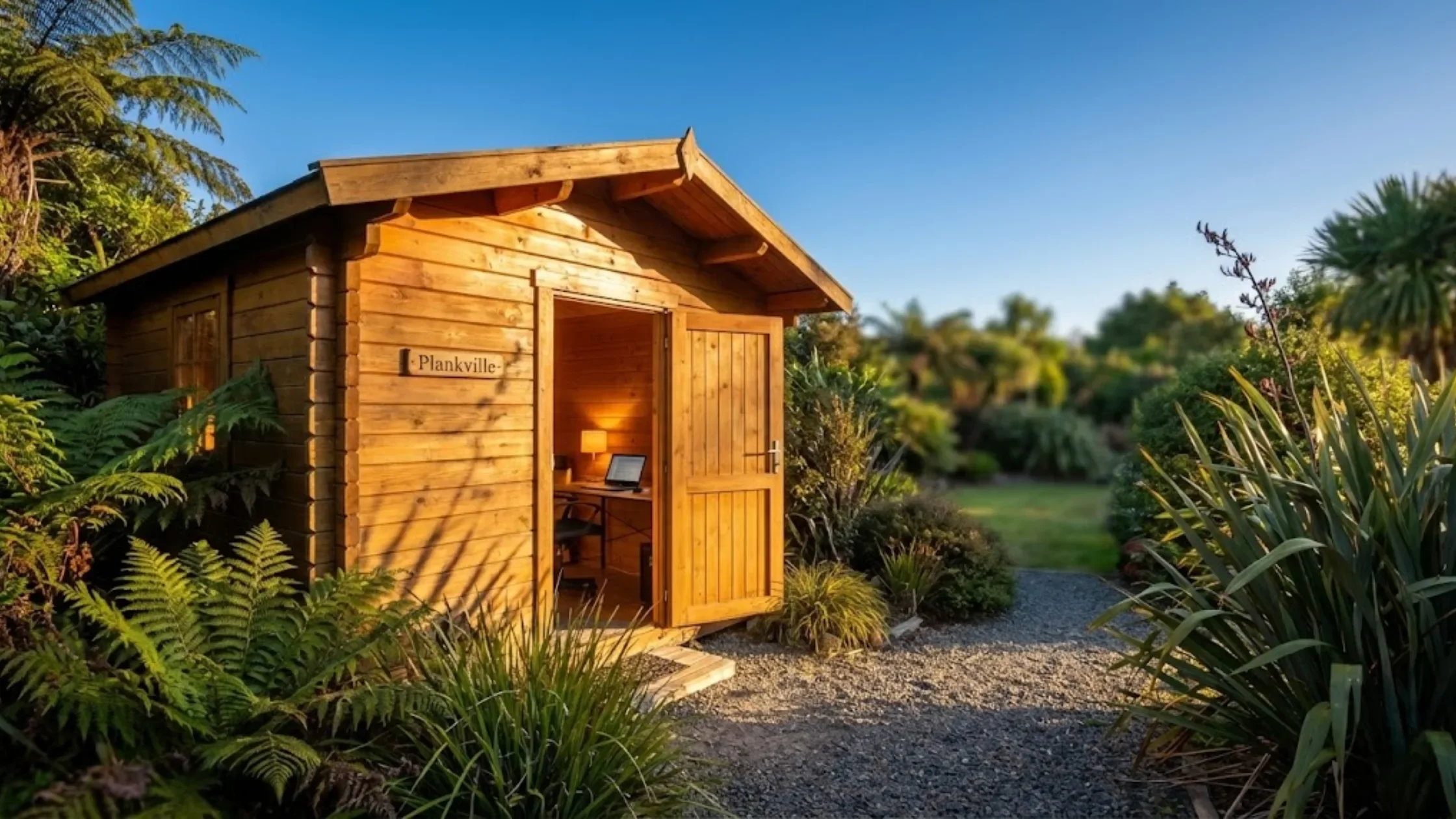
The traditional commute is fading away. Across New Zealand, a new way of working is taking root—not in high-rise buildings, but right in our own backyards. This is the "Work-from-Shed" movement. It is about more than just finding a desk; it is about reclaiming your home life and finding a quiet space where you can actually get things done.
If you have been trying to work from the kitchen table or a cramped spare room, you know the struggle. There are laundry piles in your peripheral vision and the constant hum of the vacuum or the TV. By choosing a Timber Garden Office, you aren’t just adding a building to your lawn; you are creating a boundary. You are building a place where "work time" begins the moment you step onto the grass and "home time" starts the second you turn the key and walk back to the house.
Key Takeaways
Space Separation: A garden office creates a physical and mental gap between your job and your family life.
Natural Comfort: Using high-quality wood products provides a healthier, more breathable environment than plastic or metal alternatives.
Property Value: A well-built, insulated timber cabin is an asset that adds significant value to your New Zealand property.
Custom Design: You can tailor your space to be exactly what you need, whether that is a quiet library or a high-tech creative studio.
Why the Garden Office NZ Trend is Growing
New Zealanders have always loved the outdoors. We value our space and our independence. Converting a Plankville shed into a professional Outdoor Studio allows you to stay connected to nature while remaining highly productive. Using natural timber creates a warm, sensory experience that a cold, drywall-lined office simply cannot match. The smell of fresh wood and the sight of natural grain help lower stress levels, making those long Monday mornings feel a lot more manageable.
Turning a Plankville Shed into a Peaceful Sanctuary
The secret to a successful "work-from-shed" experience lies in the quality of the structure. You want a space that feels solid and permanent. A Plankville shed serves as the perfect high-quality "blank canvas." Because these sheds are crafted with care right here in NZ, they handle our unique weather conditions with ease.
To make it a true office, you need to think about comfort. An insulated timber cabin is essential. By adding insulation to the walls and ceiling, you ensure that your office stays cool during the height of a Kiwi summer and snug during a frosty winter morning. When you step inside, it should feel like a premium room, not a storage cupboard. This transition from a "shed" to a "studio" is what makes the work-from-home lifestyle sustainable for the long term.
Designing for Focus and Flow
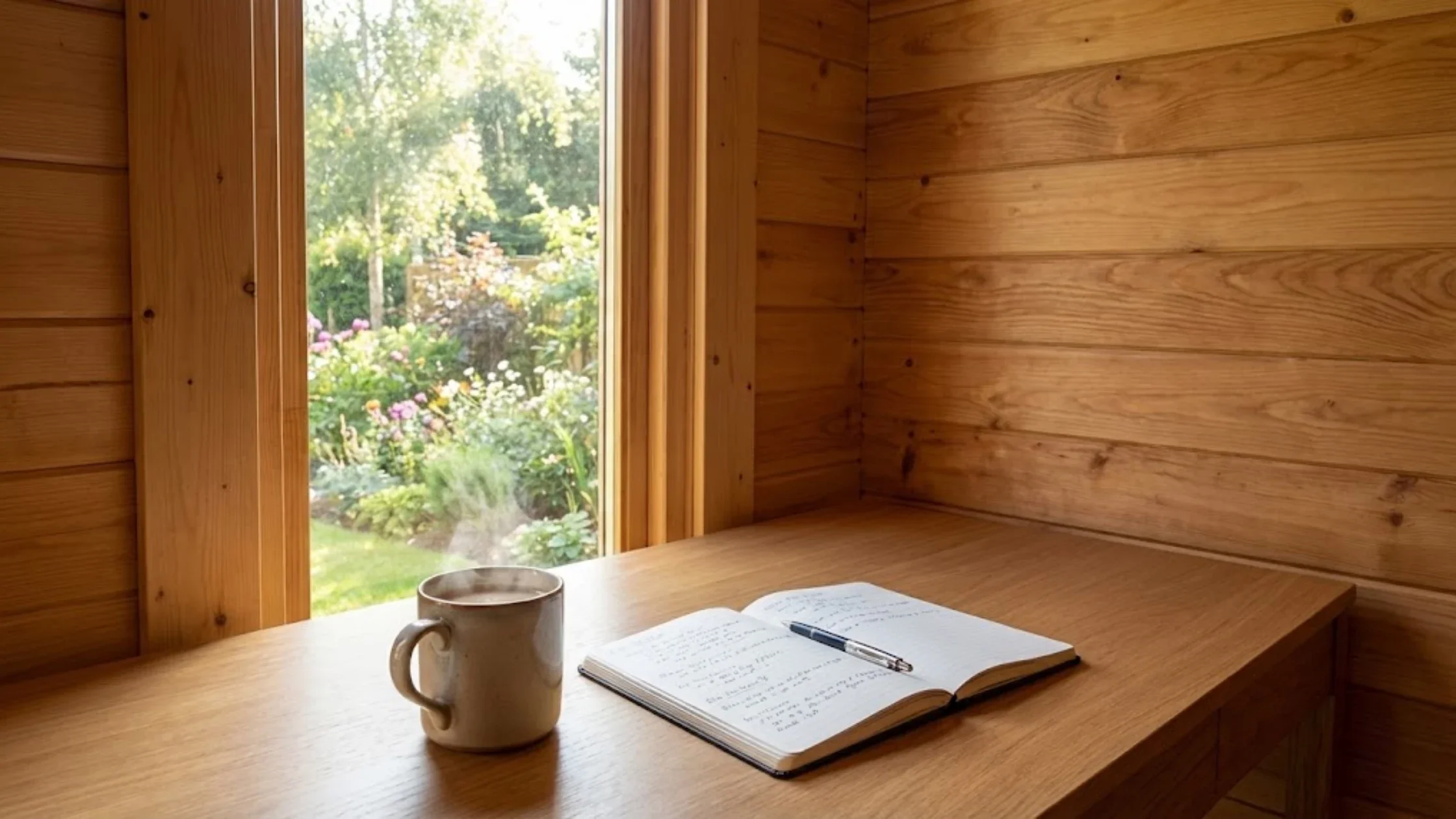
When you set up your Outdoor Studio, think about where the light falls. Natural light is the best tool for staying awake and focused. Positioning your desk near a window that looks out onto your garden can provide a "micro-break" for your eyes. Instead of staring at a white wall, you see the movement of the trees and the birds.
Your office should also be a reflection of your professional self. Many people find that their garden shed office becomes their favourite place to be. It is a space where you can leave your notes spread out and your coffee mug on the coaster, knowing it will be exactly as you left it the next morning. It is this sense of ownership and peace that helps people become a better version of themselves in their professional roles.
A Sustainable Choice for the Future
Choosing a timber building is also a win for the planet. Timber is a renewable resource that looks better as it ages. Unlike cold steel containers, a wooden office blends into your garden landscape. It looks like it belongs there. Whether you are using it as a creative retreat or a place to take important video calls, the backdrop of natural timber sends a message of quality and calm.
If you are ready to stop "making do" with a corner of the lounge, it is time to look at the garden. A dedicated workspace is the best gift you can give your career and your family.
FREQUENTLY ASKED QUESTIONS
-
In many parts of New Zealand, small outbuildings under 30 square metres do not require a formal building consent, provided they do not have plumbing and are a certain distance from boundaries. However, rules can vary between local councils. It is always best to check your specific regional plan. A Plankville timber garden office is often designed to fit within these "exempt" categories, making the setup process much faster and easier than a traditional home extension. Always confirm with a professional to ensure your specific site and design meet all safety and legal standards before you begin your build.
-
Insulating a timber garden office involves placing thermal material between the wooden wall studs and then lining the interior with plywood or timber tongue-and-groove boards. You should use high-quality Earthwool or similar batts that fit snugly to prevent heat loss. Don't forget the floor and ceiling, as these are where most heat escapes. Adding a moisture barrier is also vital to keep the space dry and healthy. An insulated timber cabin stays significantly warmer in winter and cooler in summer, making it a comfortable place to work eight hours a day, regardless of the unpredictable New Zealand weather patterns.
-
Timber is widely considered superior for home offices because it is a natural insulator and does not suffer from the same condensation issues as metal. Metal sheds can become like "ovens" in the summer and "fridges" in the winter. Timber "breathes," helping to regulate humidity and creating a much more pleasant acoustic environment for phone calls and focused work. Furthermore, a timber garden office has a premium aesthetic that adds character and financial value to your home, whereas a metal shed is often viewed purely as utilitarian storage. For a professional workspace, timber is the clear winner for comfort and style.
-
To safely run power to your garden office, you must hire a registered electrician. They will typically run an underground armoured cable from your main house switchboard to the studio. This allows you to have internal lighting, power outlets for your computer, and even a small heater or air conditioning unit. Having a dedicated sub-board in the office is the safest way to manage your electronics. This ensures your Wi-Fi routers and computers have a stable power supply, turning your Plankville shed into a fully functional, modern workspace that rivals any city-centre office building.
-
Yes, a timber garden office is a very versatile space. Many Kiwis design their outdoor studios with a "multi-purpose" mindset. By choosing a slightly larger model or using smart furniture like a sofa bed, you can host guests during the holidays and use it as a quiet office during the week. Because Plankville sheds are built to such a high standard, they feel like an extension of the home rather than a backyard outbuilding. As long as the building is dry, insulated, and well-ventilated, it provides a very comfortable and private sleeping area for friends and family visiting from out of town.
-
A well-maintained timber office made from quality NZ wood can last for many decades. The key to longevity is choosing a building made from treated timber and ensuring it sits on a solid, level foundation to prevent ground moisture from affecting the base. Regularly staining or painting the exterior every few years will protect the wood from the harsh New Zealand sun and rain. Plankville products are known for their durability and craftsmanship, meaning your investment will continue to provide a productive workspace and add value to your property for as long as you live in your home.
-
There are three main ways to get a strong internet connection in your garden studio. You can use a "Powerline" adapter that sends the signal through your electrical wiring, or you can install a "Mesh" Wi-Fi system with a node placed near the window of your house. For the most reliable high-speed connection, especially if you do a lot of video calling, we recommend asking your electrician to run an Ethernet data cable at the same time they install your power. This gives you a "hard-wired" connection that is just as fast and stable as being inside your main house.
-
Yes, a high-quality timber garden office is one of the most cost-effective ways to increase your property's market value. In the modern real estate market, a "dedicated home office" is one of the top features buyers look for. Unlike a generic shed, an insulated and powered studio counts as an extra usable room. It appeals to the growing number of people who work remotely or run small businesses from home. It is often much cheaper than a full home renovation or extension, yet it provides many of the same benefits, making it a very smart financial decision for New Zealand homeowners.
-
The foundation depends on your ground type, but most garden offices sit on either a concrete pad or a timber sub-floor with "piles" (posts driven into the ground). A timber sub-floor is often preferred for sloped gardens as it allows for airflow underneath the building, which keeps the timber dry and prevents rot. It also makes the building feel more integrated with the natural garden environment. Plankville can provide guidance on the best way to site your building to ensure it remains stable and level for years to come, regardless of whether your soil is clay or sand.
-
Maintaining a timber office is quite simple and very similar to looking after a wooden fence or deck. Every year, you should give it a quick wash down to remove dust and cobwebs. Every 3 to 5 years, depending on how much sun it gets, you should apply a fresh coat of UV-protective oil, stain, or paint. This keeps the wood looking vibrant and prevents it from silvering or cracking. By spending just a few hours every few years on maintenance, you ensure that your garden sanctuary remains a beautiful, weather-tight, and professional environment for your daily work.
