Local Forestry: Where Plankville's Sustainable Timber Comes From
When you hold a piece of raw, bandsawn timber in your hands, do you ever wonder about the life it lived before it reached you? For many in the Nelson Tasman region, "local" is more than just a label—it is a commitment to the hills we look at every morning and the air we breathe. At Plankville, we believe that true sustainability isn't found in a glossy brochure or an overseas shipping container; it is found right here in our own backyard.
Choosing sustainable timber in NZ shouldn't be a guessing game. You deserve to know which valley your wood grew in and which local mill processed it. By pulling back the curtain on our sourcing, we aren't just selling wood; we are sharing a piece of the Tasman environment with you.
Key Takeaways
Ultra-Local: Timber comes from the Nelson Tasman region to minimize carbon emissions.
Chemical-Free Options: durable species like Cypress and Cedar reduce the need for toxic treatments.
Supporting Community: Getting timber from local mills keeps jobs and money within the New Zealand economy.
Expert Craftsmanship: We use precision bandmills to get the highest quality and best "character" out of every log.
Why Local Sourcing is the Heartbeat of Plankville
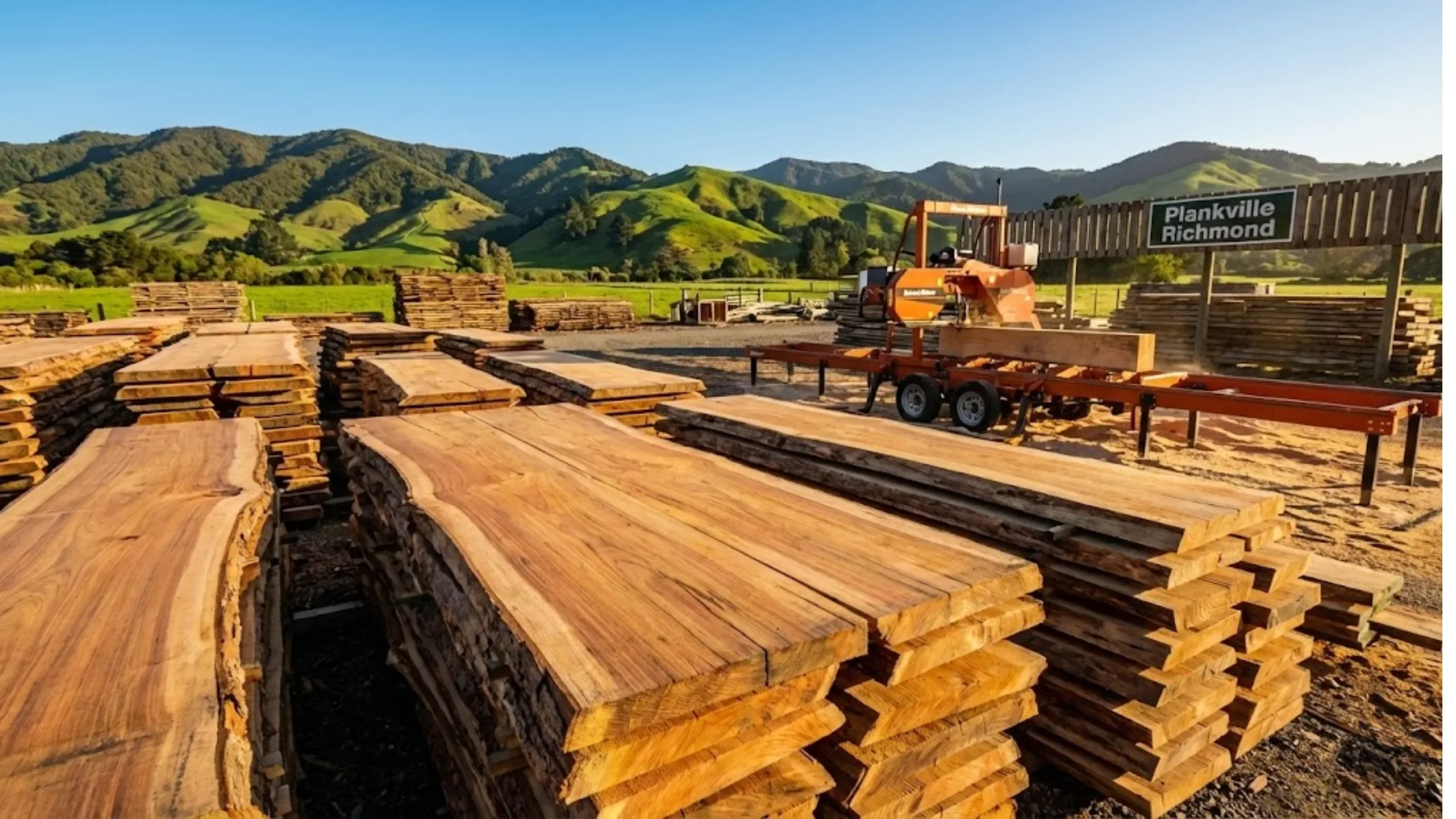
The journey of our timber is short. While big-box retailers often stock timber that has travelled thousands of kilometres—racking up a massive carbon footprint—Plankville operates on a "miles-to-market" philosophy. Most of our wood comes from within a small radius of our Richmond sawmill.
We focus on specialty species that thrive in the New Zealand climate such as Macrocarpa, Western Red Cedar, Redwood, and Lawson Cypress. These aren't just beautiful; they have natural durability. This means you get a product that stands up to the Tasman sun and rain without needing the heavy chemical treatments found in mass-produced structural pine.
The Specific Mills and Forests We Trust
We don't just buy from anyone. Our sourced wood comes from a hand-picked selection of local partners who share our respect for the land.
Small-Scale Local Forests: We work with private woodlot owners and sustainably managed forests across the Nelson and Tasman districts. These are often fourth-rotation forests where trees are harvested to ensure the ecosystem remains healthy for generations.
The Plankville On-Site Mills: We take pride in our own machinery. Using our Wood-Mizer bandmills, we process logs right here in Richmond. This lets us "read" each log and cut to minimize stress and tension in the wood.
Specialist Regional Partners: To meet specific needs, we collaborate with established names like Kaituna Sawmill and other boutique operators in the Te Tauihu region. This ensures that every cent you spend stays within our local economy and supports Kiwi families and foresters.
Building with a Conscience
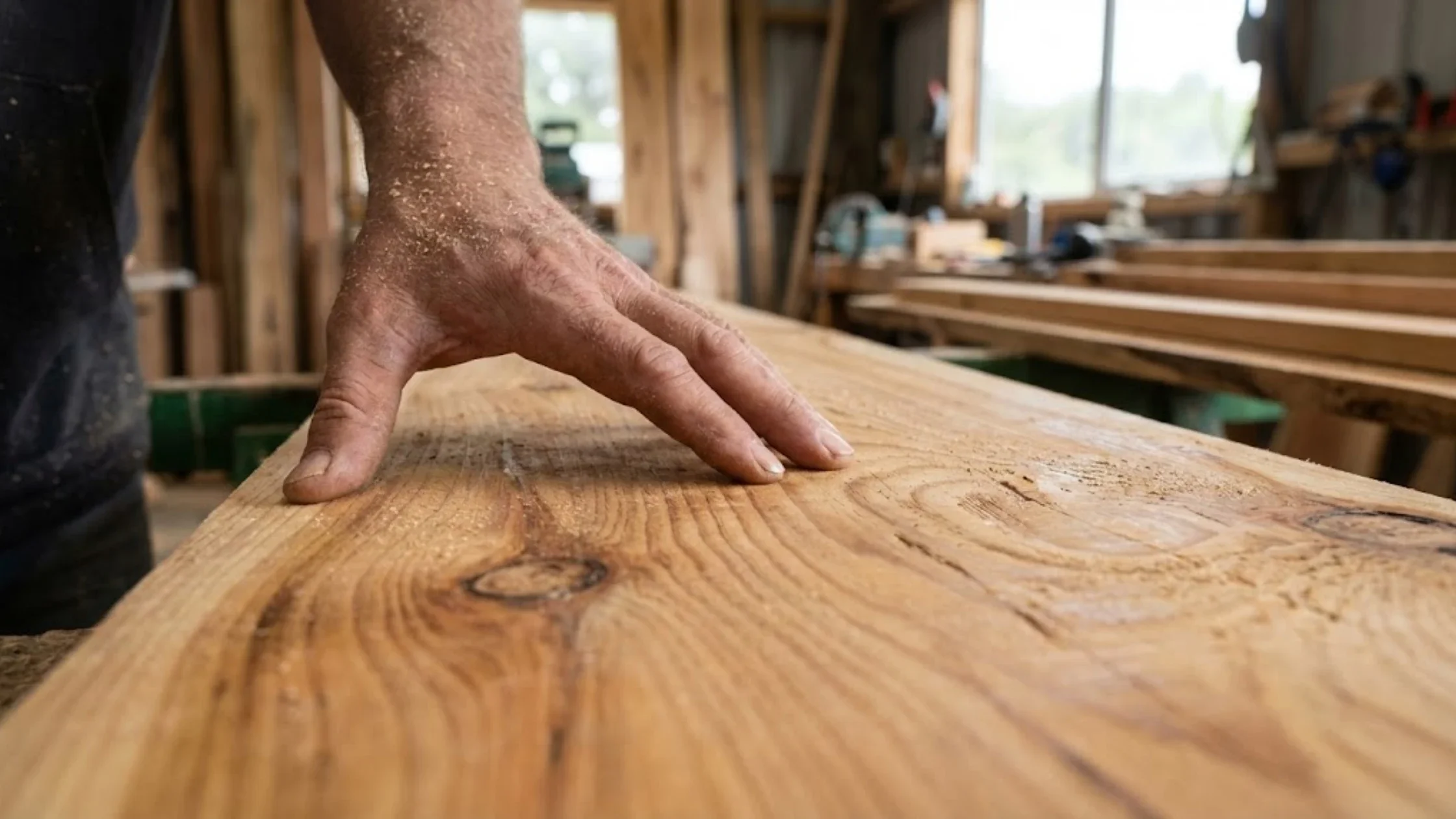
Our expertise isn't just in selling—it's in the milling. Because we handle the process from the raw log to the finished board, we have the experience to tell you which cut of Eucalyptus is best for your flooring or why Heart Cypress is the ultimate "chemical-free" choice for your veggie garden.
This transparency builds trust. When you buy from Plankville, you support a circular economy. You choose a path that protects New Zealand's biodiversity and reduces the external environmental impacts that come with imported timber.
Discover More About Our Wood
Ready to see the difference that local ethical sourcing makes? Whether you are planning a shed conversion NZ summer retreat or looking for the perfect wood products for your home, we are here to help.
Contact the Plankville team today to discuss your project or visit our Richmond yard to run your hands over the finest sustainable timber NZ has to offer. Let's build something that tells a local story.
FREQUENTLY ASKED QUESTIONS
-
Sustainable timber refers to wood harvested from forests managed under strict environmental standards. In New Zealand, this often has an involvement of FSC (Forest Stewardship Council) certification or adhering to the National Wood Legality Assurance system. This ensures that the ecosystem receives protection for every tree harvested and replanting occurs. At Plankville, sustainability also means "local," which reduces the fuel used in transport and supports the natural growth cycles of specialty species like Macrocarpa and Redwood rather than having a reliance on intensive -heavy plantation cycles.
-
Choosing local wood lowers your project's carbon footprint by eliminating long-distance shipping. It also provides transparency; you can often trace your timber back to the specific region or mill it came from. Local woods like Lawson Cypress or Western Red Cedar are also adapted to the New Zealand climate, which means they often perform better and last longer in our unique weather conditions compared to foreign species. On top of that, your purchase supports local Kiwi jobs and helps maintain the health of our regional forestry sector.
-
Many of the specialty woods we source such as Heart Cypress and Redwood, have natural oils that give them resistance to rot and insects. This allows for their use in many outdoor applications without the heavy H3 or H4 chemical pressure treatments required for standard pine. This makes our timber a much safer and more eco-friendly choice for vegetable garden beds, children's play areas, and interior feature walls where you want a natural non-toxic environment.
-
We maintain close relationships with local forest owners and small-scale mills in the Nelson Tasman area. By overseeing the milling process ourselves with our Wood-Mizer bandmills, we make certain that every log is used to its maximum potential with minimal waste. We avoid "blood timber" or endangered rainforest species focusing instead on New Zealand-grown hardwoods and softwoods that are harvested under legal and ethical frameworks that put long-term forest health ahead of short-term profit.
-
In the intense sun and occasional damp of the Tasman region, we recommend Western Red Cedar and Heart Cypress. Cedar remains stable and has a strong reputation for its decay resistance, which makes it ideal for cladding. Heart Cypress is a dense and hardy wood perfect for decking and garden structures. If you prefer a richer look, New Zealand-grown Redwood is another fantastic sustainable option that stays very flat and resists warping. This ensures your outdoor space remains beautiful and safe for years.
