
Timber & Texture: Pairing Stone and Wood in Nelson Landscapes
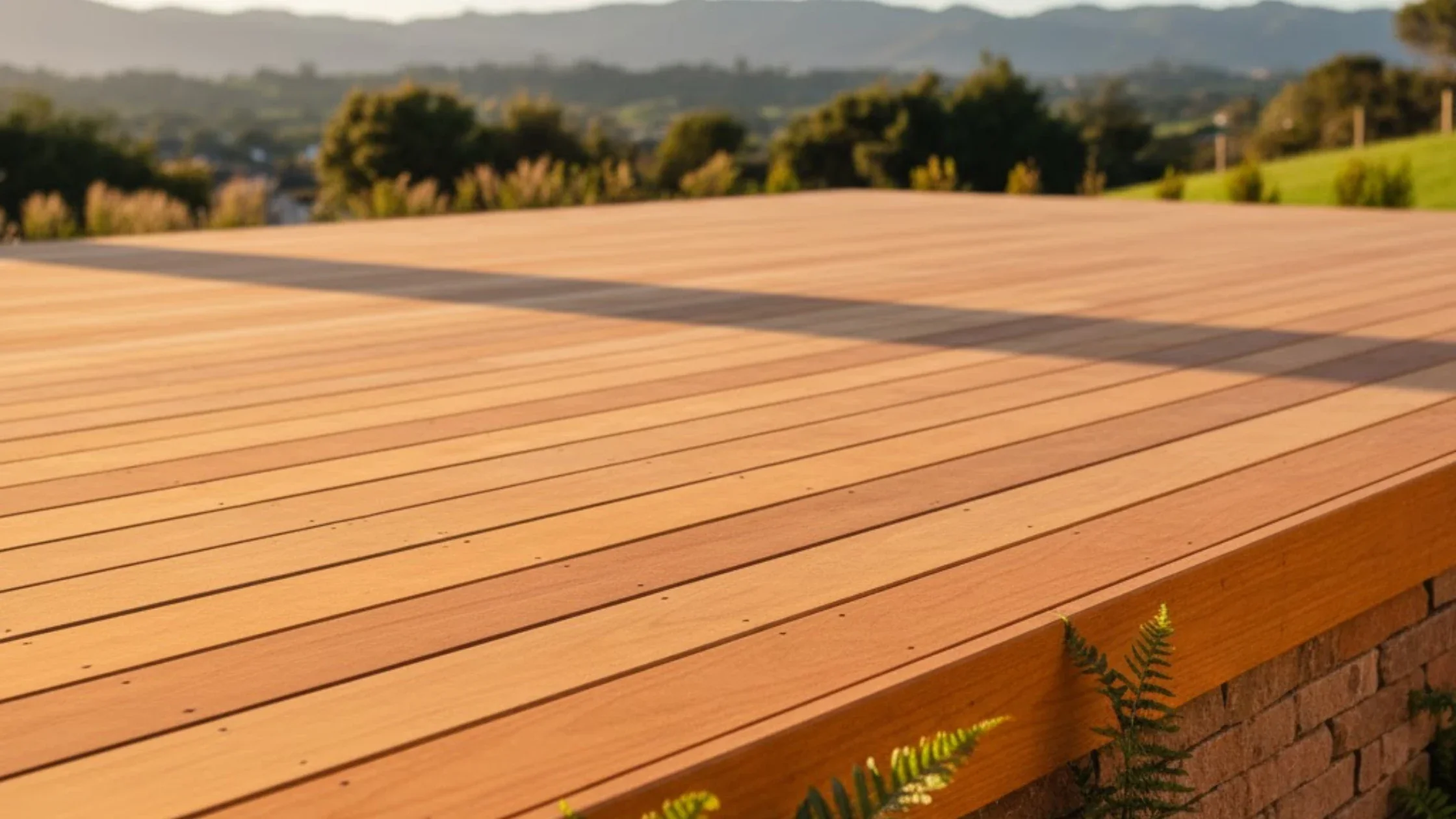
Imagine walking into your backyard and feeling like you’ve stepped into a luxury retreat that perfectly matches the wild beauty of the Nelson region. There is a special kind of magic that happens when you mix the rugged, earthy feel of local Moutere stone with the warm, golden tones of freshly milled timber. It is more than just landscaping; it is about creating a space that feels like it has always belonged there. In the heart of the Tasman district, where the mountains meet the sea, the most stunning gardens are those that use materials from the land itself.
For many homeowners, the challenge is making a modern garden feel cozy rather than cold. While concrete and steel are popular, they often lack the "soul" that natural materials provide. By focusing on Nelson landscape design that celebrates local resources, you can transform a flat patch of grass into a multi-dimensional sanctuary. This guide explores how you can use the strength of stone and the versatility of wood to build an outdoor area that stands the test of time while looking absolutely breathtaking.
Key Takeaways
Mixing stone and wood creates a balanced, high-end look.
Local Moutere stone and Plankville timber are the perfect regional match.
Texture helps make small gardens feel larger and more interesting.
Natural materials are durable and age beautifully in the Nelson climate.
Using local resources is better for the environment and supports our community.
The Natural Harmony of Plankville Timber and Moutere Stone
When we talk about great design, we are really talking about balance. In Nelson, we are lucky to have access to some of the best natural building materials in New Zealand. Moutere stone, known for its rounded shapes and river-worn textures, offers a solid, permanent feel. When you pair this with high-quality wood, such as the macrocarpa or eucalyptus found at Plankville, you create a visual conversation. The stone represents the earth’s bones, while the timber provides the warmth and life.
Using these two together helps solve a common problem: "flat" landscaping. A garden with only grass and a fence can feel boring. However, when you add a raised stone wall capped with a smooth timber bench, you suddenly have different heights, textures, and colours to enjoy. This mix is a huge part of current outdoor texture trends NZ wide, as more people move away from plastic-looking materials and back toward things that grow and age gracefully.

Why Texture Matters in Your Garden
Texture is something you can feel with your eyes. If everything in your garden is smooth, your brain doesn't find it very interesting. By pairing stone and wood, you are giving your eyes a treat. Think about the rough, grainy surface of a rustic timber post next to the cool, grey smoothness of a Moutere river stone. This contrast makes the timber look warmer and the stone look more solid.
In the Nelson climate, these materials also behave beautifully together. Our region gets plenty of sunshine but also some crisp, wet winters. Choosing durable timber products ensures your structures won't warp or rot easily, while the local stone handles the moisture perfectly. Whether you are building a quiet corner for your morning coffee or a large area for family BBQs, focusing on these textures ensures your space feels high-end and thoughtfully designed.
Creative Ways to Mix Materials
There are so many ways to bring this look to life without making it feel cluttered. One of the most popular methods is using timber for "touch points" and stone for "foundations." For example, you might use heavy stone blocks to create a retaining wall that holds back a sloping lawn. To make it more inviting, you can integrate a timber walkway or stairs cutting through the stone. This softens the look and makes the path feel much friendlier to walk on.
Another great idea is the use of raised garden beds. Instead of just using wood, you can frame the bottom of the beds with Moutere stone. This creates a "weighty" look at the base of the garden while the timber upper half keeps the plants at a comfortable height for gardening. It’s a practical solution that looks like a piece of art. For those looking at professional construction ideas, combining these elements is a proven way to increase the value of your home while creating a functional outdoor room.
Building for the Future with EEAT in Mind
When choosing your materials, it is important to trust where they come from. At Plankville, the expertise comes from years of milling local logs and understanding exactly how different wood species react to the New Zealand sun. This isn't mass-produced timber from a big-box store; it is specialist wood that carries the story of our local forests.
Using local stone and local timber also shows a commitment to the environment. You aren't shipping heavy materials from overseas. Instead, you are using what the Nelson earth has provided. This local knowledge is what creates "Authoritativeness" in a landscape. When you see a garden that uses Moutere stone and Plankville timber, you know it was built by someone who understands the Nelson landscape and cares about quality that lasts for generations.
Transform Your Outdoor Space Today
Your garden should be a place where you feel relaxed and proud. If you are tired of a backyard that feels unfinished or plain, it’s time to embrace the beauty of timber landscaping features. Whether you need thick, rustic sleepers for a new set of stairs or beautiful slabs for an outdoor table to sit atop a stone patio, the right materials make all the difference.
Don’t settle for a generic garden. Let the natural textures of the Nelson region tell a story in your backyard. Explore the range of local timber options and start planning a landscape that combines strength, warmth, and timeless style.
Ready to start your project? Contact Plankville today to find the perfect timber for your Nelson landscape design.
FREQUENTLY ASKED QUESTIONS
-
Macrocarpa and Eucalyptus are excellent choices for NZ conditions. Macrocarpa is naturally resistant to rot and insects without needing harsh chemicals, making it safe for veggie gardens and kids. Eucalyptus is incredibly strong and dense, perfect for heavy-duty posts or decking that needs to last a long time in the sun.
-
Ensure there is good drainage between the wood and the stone to prevent water from sitting. While natural timbers like those from Plankville age to a beautiful silver-grey, you can apply a clear oil once a year if you want to keep the original "freshly cut" golden colour of the wood.
-
Because it is sourced locally in the Nelson/Tasman region, it is often more affordable than imported stones. Its value also comes from its durability; once a stone wall is built, it requires almost zero maintenance for decades, saving you money in the long run.
-
Yes, timber sleepers are a classic choice. For a more modern look, try "stacking" them horizontally and using stone pillars at the corners. This breaks up the long lines of wood and adds a professional architectural touch to your backyard.
-
The secret is to use a consistent colour palette. If your stone has grey tones, choose a timber that weathers to a silver-grey. If your stone is brownish, look for timbers with warm red or orange undertones. This makes the two different materials feel like one cohesive unit.
-
Absolutely. Professional landscape design using high-quality natural materials is one of the best ways to improve "kerb appeal." It makes the home look established and high-end, which is a major selling point for future buyers in the Nelson market.
-
Currently, people are moving toward "Raw Minimalism." This means using materials in their most natural state—thick timber slabs, unpolished stones, and native plants. The goal is to make the garden look like a refined version of the natural New Zealand wilderness.
-
It requires some planning to ensure the timber is level and securely fastened to the stone. Many people use "hidden" brackets or masonry bolts. It is a popular DIY project, but for large walls, it is often best to consult with a Nelson landscape professional.
-
Local timber is adapted to our environment and hasn't been sitting in a shipping container for months. Supporting local mills like Plankville also means you get expert advice on which specific wood species will work best for your exact location and soil type.
-
If you use high-quality hardwoods or naturally durable softwoods and ensure the stone has a solid foundation, these landscapes can last 20 to 30 years or more. Unlike plastic or thin metal features, natural stone and wood actually look better as they get older.
