

Choosing the Best Timber for Garden Structures in Nelson Tasman
Building an outdoor masterpiece like a pergola or a garden arch in the Nelson Tasman region is a dream for many homeowners. We enjoy some of the highest sunshine hours in New Zealand, but that same sunshine paired with our coastal air and crisp winter frosts, can be tough on timber. If you pick the wrong wood, your beautiful new feature could warp, crack, or rot before you've even had a chance to enjoy a full summer under its shade.
At Plankville, we believe that the best timber for your garden shouldn't just survive the Nelson weather—it should thrive in it. Choosing a weather-resistant timber sourced is the secret to a structure that looks as good in ten years as it does the day it's finished. By selecting species like Macrocarpa, Western Red Cedar, or Lawson Cypress, you aren't just putting up a garden feature; you are putting resources into a durable chemical-free legacy that complements our unique South Island landscape.
Key Takeaways
Local is Better: Timber grown in Nelson Tasman is already acclimated to our specific UV levels and humidity.
Natural Durability: Species like Macrocarpa and Heart Cypress contain natural oils that resist rot without needing heavy chemicals.
Stable Structures: Choosing stable woods like Redwood prevents the twisting and warping common with standard treated pine.
Eco-Friendly: Chemical-free timber is safer for your family, your pets, and your garden soil.
Why the Nelson Tasman Climate Demands Specialized Timber
Our region is famous for its "Goldilocks" climate—not too hot, not too cold—but for wood, it's a land of extremes. The high UV index in Richmond and Nelson can bake the moisture out of timber causing "checking" or surface cracks. In the meantime, our damp winters can settle moisture into those cracks leading to internal rot if the wood isn't resistant.
Most big-box retailers sell "one-size-fits-all" treated pine. While affordable, it often lacks the character and longevity of specialty timbers. When you source local timber for custom builds, you get wood that has grown in these hills. It's seasoned for our air meaning it's far less likely to move or "protest" once it's bolted into your pergola frame.
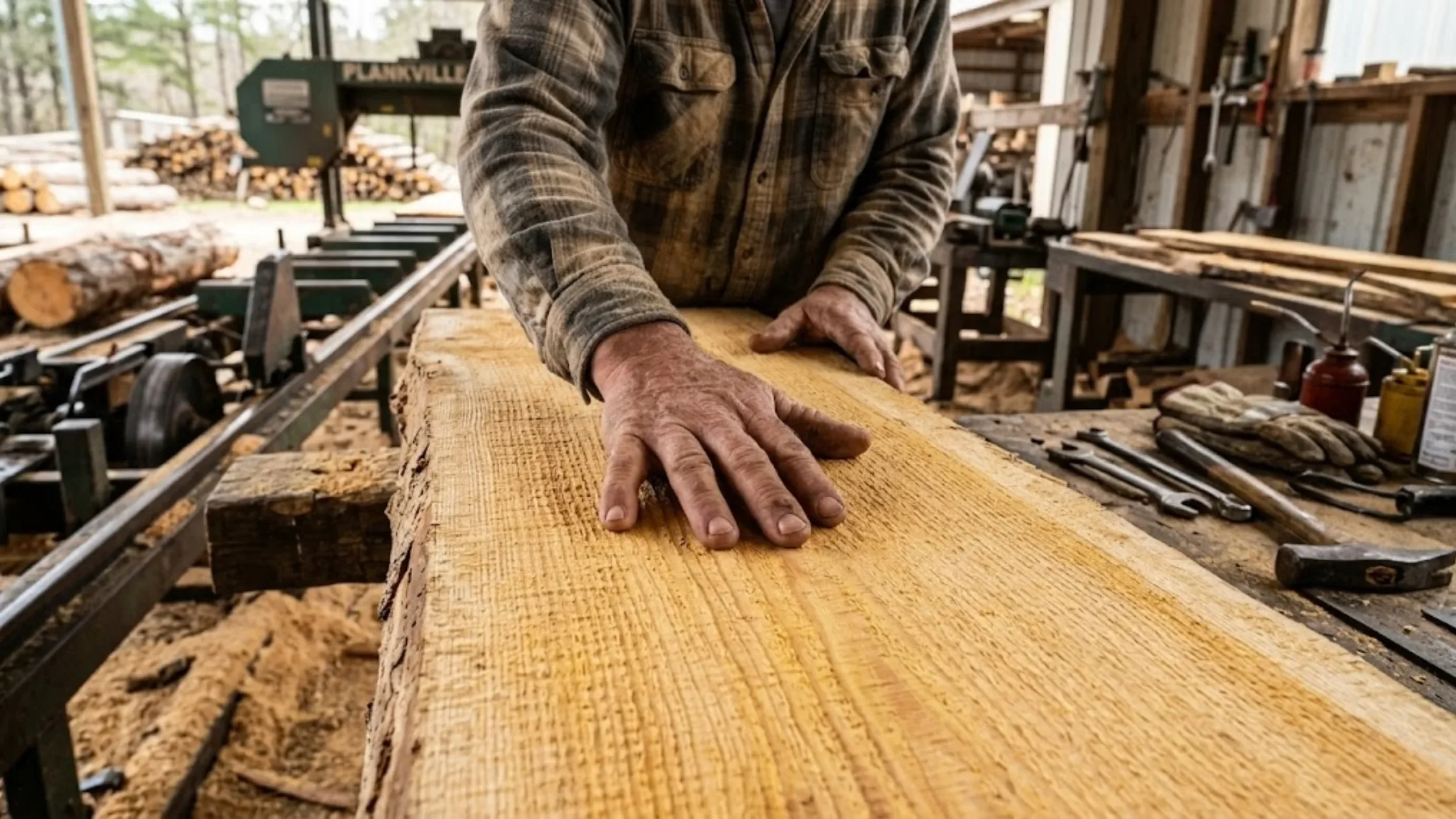
The Best Timber Choices for Your Garden Features
1. Macrocarpa: The King of the Kiwi Backyard
Macrocarpa stands as a legendary choice for New Zealand gardens. It's a "chunky" wood perfect for the heavy beams of a pergola or the solid posts of a garden arch. The heartwood has natural durability meaning it doesn't need those green chemical treatments to stay strong. Over time, if left unsealed, it weathers to a beautiful rustic silver-grey that looks stunning against the greenery of a Tasman garden.
2. Western Red Cedar: The Elegant All-Rounder
If you're looking for something a bit more polished for a decorative screen or a lightweight archway, Cedar is your best friend. It is stable and famous for its rich aroma and straight grain. Because it's so light, it's easy to use for DIY projects, yet it holds its shape better than almost any other softwood. It's the "Gold Standard" for weather resistance.
3. Lawson Cypress: The Chemical-Free Workhorse
For people planning raised garden beds or structures near edible plants, Lawson Cypress has an impact on quality. It contains a natural oil called cypressene which acts as a built-in preservative. It's dense, hardy and has a warm golden tone that brightens up any outdoor space.
Designing to Achieve Longevity: Pergolas and Arches
When building a pergola, the most important factor is the "ground contact." Even the best timber will struggle if it's sitting in a puddle. We always recommend mounting your beautiful timber posts on galvanized steel stirrups. This keeps the wood away from ground moisture allowing the natural durability of our specialty timber to shine for decades.
For smaller features like arches and trellises, the detail matters. Using stainless steel fixings is essential in our coastal environment to prevent "bleeding" or black streaks on your wood. When you combine the right timber with the right hardware, you create a garden feature that adds genuine value to your property.
Build Your Dream Garden with Plankville
Ready to transform your backyard? Don't settle for "off-the-shelf" timber that wasn't made for our climate. At Plankville, we mill our own wood right here in Richmond. We know every grain and every knot. We know which log will make the perfect beam for your home.
Whether you're a DIY enthusiast or working with a landscaper, we can provide the high-quality sustainable timber you need. Contact the Plankville team today to discuss your project. Let's build something beautiful together that belongs in Nelson Tasman.
FREQUENTLY ASKED QUESTIONS
-
When it comes to the New Zealand climate in high-sun areas like Nelson, Macrocarpa, Western Red Cedar, and Heart Cypress stand out as the top choices. Macrocarpa receives high value for its strength and natural rot resistance in large-scale structures like pergolas. Cedar has a worldwide reputation for its stability and resistance to decay, while Heart Cypress provides a dense, chemical-free alternative that performs well against moisture and pests without the need for heavy industrial treatments.
-
No. While standard pine requires H3.2 or H4 chemical treatment to survive outdoors, specialty timbers like Macrocarpa and Lawson Cypress contain natural oils and tannins that provide built-in protection. These "natural" timbers are perfect for eco-friendly gardens, vegetable beds, and families who want to avoid contact with CCA (chromated copper arsenate) treatments while still making sure their garden structures last for 20 years or more.
-
A well-constructed Macrocarpa pergola made from quality heartwood can easily last 20 to 30 years in the Nelson Tasman region. For maximum lifespan, use "Heartwood" grade timber and keep posts from direct contact with wet soil by using metal stirrups. Applying a high-quality UV-resistant oil every few years will also help maintain the structural strength and prevent the wood from silvering or cracking under the intense New Zealand sun.
-
Both are excellent but serve different purposes. Cedar is lighter and more stable (less likely to warp) and has a more refined look. This makes it perfect for gates, screens, and decorative arches. Macrocarpa is denser and stronger. This makes it the better choice for heavy structural beams and "chunky" rustic furniture. If you want an elegant high-end finish, choose Cedar. If you want a bold rustic, and strong structure, Macrocarpa is the winner.
-
All natural timber will "silver" or turn grey when exposed to UV light. If you want to maintain the original golden or reddish hues of your wood, you must apply a UV-protective oil or stain after installation. These products penetrate the wood fibres and block sun damage while they allow the wood to breathe. If you re-apply the oil every 12-24 months, you'll keep your garden structures looking brand new in the sunny Nelson climate.
-
Macrocarpa and Lawson Cypress are the best choices for raised garden beds in NZ because they do not require chemical treatments. Using treated pine (CCA) in veggie gardens can lead to chemicals that leach into the soil and your food. durable timbers provide a safe and long-lasting environment for your plants. Heartwood Macrocarpa is popular because it is thick, strong, and handles ground moisture better than most other untreated softwoods.
-
Local timber is better because it is "acclimated" to the local environment. Wood that has grown in the Nelson Tasman hills has already adapted to the regional humidity and temperature fluctuations. When you buy from a local mill like Plankville, the timber arrives with the correct moisture content for our air, which reduces the risk of the wood twisting, splitting, or shrinking once your project is complete.
-
No untreated pine (Radiata Pine) will rot within 12 to 24 months if left outdoors in New Zealand. It has zero natural resistance to fungi or insects. If you prefer the look of light-colored wood without heavy chemicals, you should choose Lawson Cypress or Macrocarpa instead. These species give the "natural" look you want with the strength needed to stand up to the wind and rain of the Tasman District.
-
Maintenance has three simple steps: cleaning, inspecting and oiling. Once a year, wash your pergola with a mild soap and water to remove lichen or dirt. Inspect the fixings (screws and bolts) to confirm they remain tight as the wood expands and contracts. , apply a fresh coat of timber oil to keep the wood hydrated and protected from the sun. This simple routine can double the life of your outdoor structure.
-
Bandsawn timber has a textured surface that provides a beautiful rustic aesthetic perfect for the New Zealand landscape. Beyond looks, this texture helps the wood hold onto oils and stains better than a smooth-dressed surface leading to a more durable finish. It also hides small scratches and "checking" that occurs outdoors keeping your garden structure looking intentional and well-crafted for years.
