

Why Autumn is the Secret Weapon for Nelson Gardeners
As the crisp morning air begins to settle over the Moutere hills and the sun dips a little lower over Tasman Bay, every local gardener knows something special is happening. While many think the growing season ends with the summer tomatoes, Nelson Tasman locals know that autumn is actually our second "spring."
The soil is still warm, the rainfall becomes more reliable, and the harsh bite of the summer sun has faded. This is the perfect window to set up your backyard for a bounty of winter veggies and stunning spring blooms. But a great autumn garden doesn't just happen by accident. It starts with the foundation: your garden beds. Whether you are working with tired soil or looking to install new planter garden beds, preparing now ensures your plants stay healthy through the cooler months.
Understanding the Nelson Tasman Rhythm
In our beautiful corner of New Zealand, we are blessed with high sunshine hours, but we also face unique challenges like clay-heavy soils in some areas and coastal winds in others. Preparing for autumn planting in Nelson Tasman requires a bit of local "know-how."
When you take the time to prepare garden beds correctly, you aren't just digging holes; you are building a home for your plants. A well-prepped bed acts like a warm blanket and a full pantry combined. It protects roots from the coming frosts and provides the energy needed for slow-growing winter crops. If you’ve ever wondered why some gardens look vibrant all year while others turn to mud, the secret is almost always in the soil preparation and the structure of the beds themselves.
The Power of Raised Beds and Premium Timber
One of the biggest hurdles for Nelson gardening tips enthusiasts is drainage. During a wet Nelson winter, traditional ground-level gardens can become waterlogged, rotting the roots of your precious plants. This is where raised beds become a game-changer.
Using high-quality, locally sourced timber from specialists like Plankville allows you to control the environment completely. Raised beds offer better drainage, warmer soil temperatures, and—best of all—less strain on your back. When you choose wood products that are naturally durable, such as Macrocarpa, you avoid the need for nasty chemicals near your food.
Imagine walking out to your garden in late May and seeing rows of deep green spinach and sturdy broccoli, all elevated in beautiful, rustic wooden frames that complement the Nelson landscape. It’s about creating a space that is as beautiful as it is functional. You can find more inspiration on how to layout these spaces in this autumn gardening guide.
Step-by-Step: Preparing Your Soil for Success
To get the most out of your seasonal planting NZ efforts, follow these simple steps to refresh your soil:
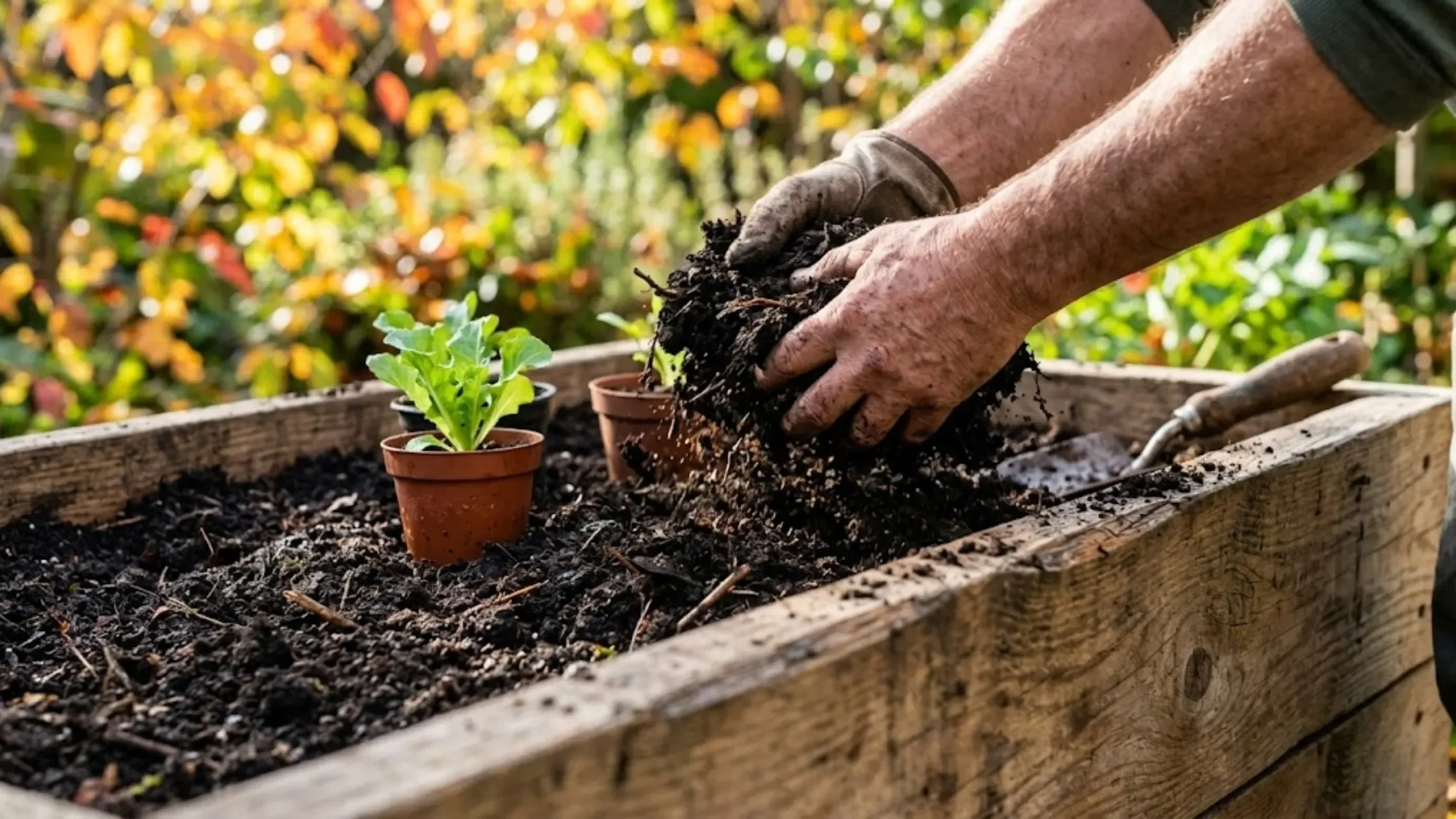
First, clear away the remains of your summer harvest. Old tomato vines and zucchini plants can hide pests that love to stay over for winter. Instead of leaving the soil bare, which leads to erosion, you want to feed it. Mix in plenty of organic compost and aged manure. In Nelson, where we often have "hungry" soils, adding a layer of seaweed or sheep pellets can provide a slow-release boost that lasts for months.
Next, check your soil structure. If your soil feels like hard clay, adding gypsum or fine grit can help break it up. If you are using raised beds, simply top them up with a fresh mix of veggie garden soil. This ensures that when you follow an autumn planting guide, your seeds have the best possible start.
Finally, don't forget the mulch! A thick layer of pea straw or bark chips acts as insulation. It keeps the warmth in the ground for a few extra weeks, giving your young seedlings time to establish strong roots before the first frost hits the Tasman region.
What to Plant Now?
Once your beds are prepped, it’s time for the fun part. For our region, the best crops to get in the ground during March and April include:
Leafy Greens: Spinach, silverbeet, and kale thrive in the cooler air.
Brassicas: Broccoli, cauliflower, and cabbage need the autumn start to head up properly.
Root Crops: Carrots and beetroot love the mellowing soil temperatures.
Alliums: Early garlic and leeks can go in now for a long, slow grow.
For more tips on transitioning your garden, check out this helpful post on getting ready for cooler months or learn about transitioning your garden.
Start Your Autumn Transformation Today
Your garden is an extension of your home, and there is no better time than now to give it the upgrade it deserves. Whether you are a seasoned "green thumb" or a beginner looking to start your first veggie patch, Plankville is here to help.
From custom-built planter garden beds to high-quality timber for your own DIY projects, we provide the bones for a beautiful, productive garden. Don't let another season pass with a messy backyard.
Ready to grow the best garden in Nelson? Visit Plankville today to explore our range of handcrafted garden solutions, or get in touch with our team for expert advice on the best timber for your Tasman property. Let’s make this autumn your most productive season yet!
FREQUENTLY ASKED QUESTIONS
-
Ideally, start in March or April. The soil is still warm from summer, which helps seeds sprout fast. In Nelson, our mild autumns allow plants to grow strong before the winter frosts arrive. If you wait too long, the plants might stop growing when it gets cold. Starting early gives you a much bigger harvest of winter veggies like broccoli and kale.
-
Raised beds are great because they drain water better during wet NZ winters. This stops your plants from getting "wet feet" and rotting. The soil in a wooden garden bed also stays a few degrees warmer than the ground, which helps your vegetables grow even when the air is chilly. Plus, they look tidy and keep your garden organized throughout the messy season.
-
Macrocarpa is a top choice for Kiwis because it is naturally strong and doesn't need chemicals to last a long time. It is safe for growing food, unlike some treated timbers. Using local timber from a place like Plankville ensures your garden beds can handle the Nelson sun and rain for many years without falling apart.
-
First, pull out old summer plants. Then, add lots of good things like compost and sheep pellets. This puts the "food" back into the soil that the summer plants used up. Mixing it well helps the air get in, which makes it easy for new roots to grow deep and strong before the cold weather hits.
-
Yes! Autumn is the perfect time to plant pansies, violas, and primulas for winter colour. It is also the time to tuck bulbs like daffodils and tulips into the ground. They will sit in the soil over winter and pop up to say hello as soon as spring arrives, making your garden look beautiful.
-
Even though it’s cooler, young seedlings still need regular water to get established. In Nelson Tasman, we can have dry spells in March. Check the soil with your finger; if it feels dry, give it a drink. Once the autumn rains start, you can let nature do most of the work for you.
-
Slugs and snails love the damp autumn weather. You can protect your plants by using bird-friendly slug bait or by clearing away hiding spots like piles of old leaves. Using a raised garden bed also makes it a little harder for some crawling pests to reach your tender leafy greens.
-
Our region is famous for growing amazing brassicas like broccoli, cauliflower, and Brussels sprouts. Spinach and silverbeet also grow very well here. If you want something easy, try planting garlic in June—it loves the Nelson climate and will be ready to eat by Christmas!
-
Yes, mulch is like a warm coat for your soil. It keeps the warmth in and stops weeds from taking over while you aren't looking. Pea straw is a great choice for veggie beds because it breaks down over time and adds even more goodness back into the earth for next year.
-
A depth of about 30cm to 40cm is perfect for most vegetables. This gives roots like carrots and parsnips plenty of room to grow straight and long. It also ensures there is enough soil to hold onto moisture and nutrients, so you don't have to water or fertilize quite as often.
