
Integrating Timber Structures into Sloped Nelson Hillside Sections
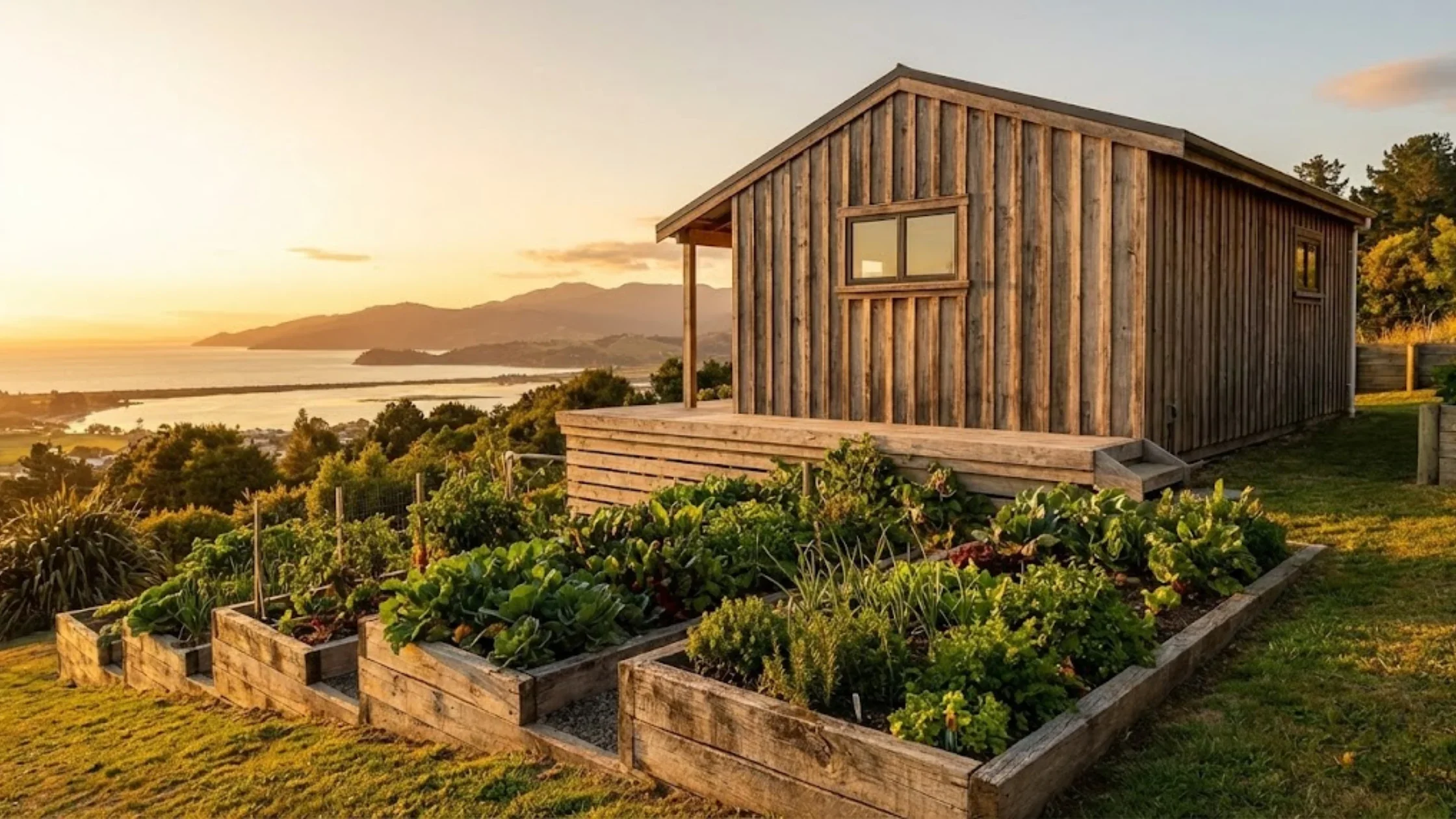
Design Tips for Timber Sheds and Raised Beds on Nelson’s Slopes
Do you look out at your Nelson hillside section and see a challenge, or do you see a hidden masterpiece waiting to happen? Living on the Port Hills or across the Nelson/Tasman ridges offers some of the best views in New Zealand, but it also means dealing with "the slope." Whether you want a sturdy garden shed to store your tools or beautiful raised beds for a home vegetable garden, building on uneven ground requires more than just a level and a shovel. It requires the right timber and a bit of "slope-smarts."
At Plankville, we believe that a sloped section shouldn't limit your lifestyle. In fact, integrating timber structures into hillside landscapes can actually add character and value to your property that flat sections just can’t match. Using locally sourced, high-quality timber, you can transform those "useless" steep spots into functional, beautiful hubs of activity. Let’s dive into the engineering secrets and design tips that make building on Nelson’s hills a breeze.
Key Takeaways for Hillside Building
Work with the Land: Use pole foundations to avoid expensive and risky digging.
Choose Durable Species: Macrocarpa and Redwood offer natural strength and beauty.
Prioritise Drainage: Always use scoria and drainage coils behind any timber-retaining beds.
Think in Tiers: Stepped garden beds are more stable and accessible than single large structures.
Local Knowledge Matters: Choose timber milled for local Nelson and Tasman conditions.
Why Timber is the King of the Hill
When you are dealing with the Nelson/Tasman terrain, weight and flexibility are your best friends. Timber is significantly lighter than concrete or stone, making it much easier to transport up a steep driveway or narrow track. It also has a natural "give" that handles the slight ground movements common in our region.
Using specialty woods like Macrocarpa or Redwood provides a natural resistance to the elements without the need for heavy chemical treatments. These wood products don't just hold up the earth; they blend into the native greenery of the Port Hills, creating a look that feels like it has always been there.
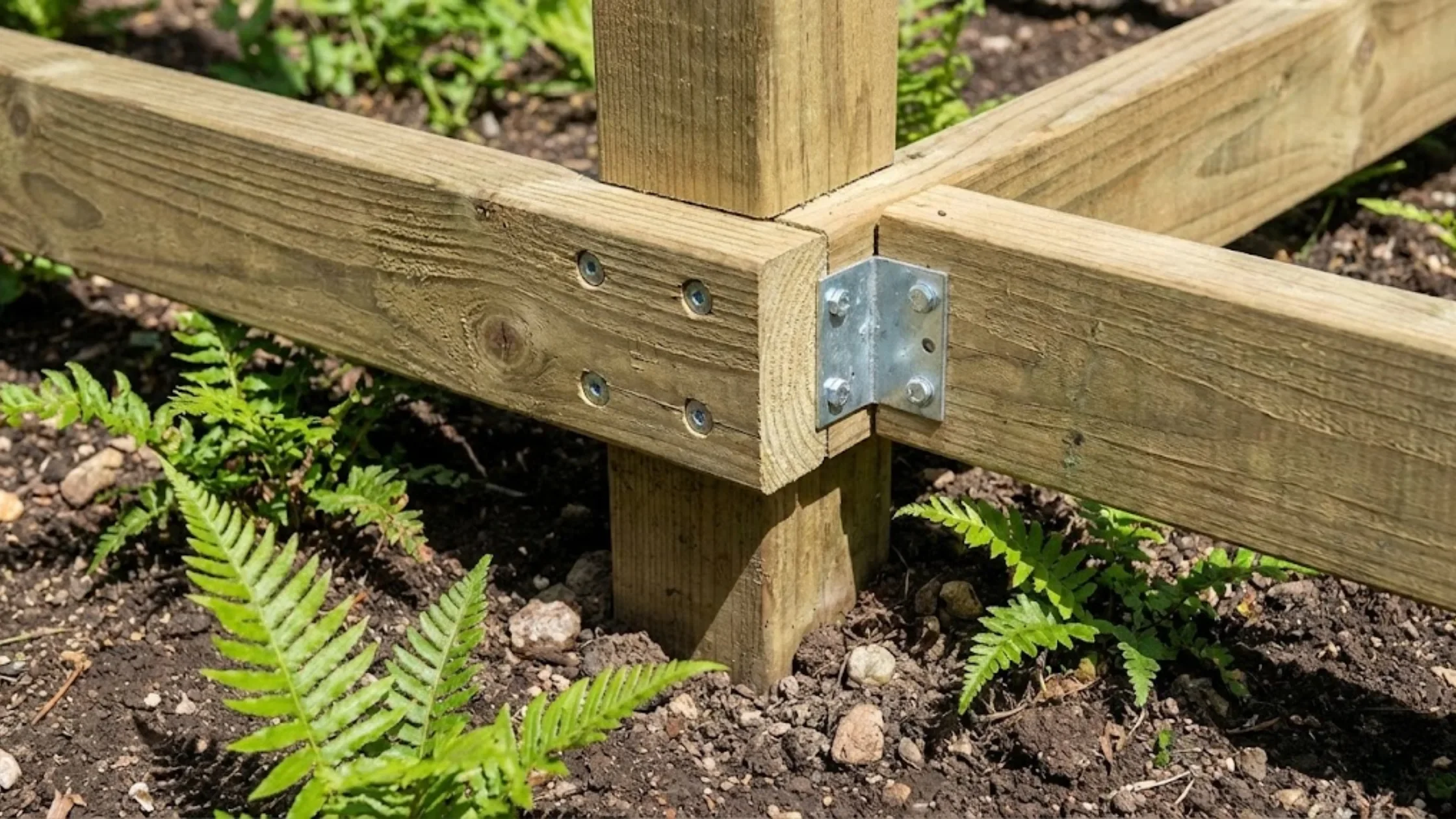
Engineering Tips for Sloped Sheds and Beds
Building a shed on a hill isn't about fighting the slope; it's about working with it. Instead of massive excavations that can destabilise the soil, consider a pole foundation or a skid-mounted design. By using H5-treated timber posts set deep into the ground, you can "float" your shed above the terrain. This minimizes the risk of water pooling against the walls and allows for natural airflow underneath, keeping your timber dry and rot-free.
For raised garden beds, the secret is terracing. Instead of one giant, heavy box, create a series of smaller "stepped" beds. This breaks up the water pressure during Nelson’s heavy rainfalls and makes gardening much easier on your back. Always ensure you have a solid "batter" (a slight lean back into the hill) for any timber retaining elements to ensure they stay upright for decades.
Experience, Expertise, and Nelson Trust
Building on a slope is a serious task. In New Zealand, the Building Code has specific rules for structures on hills to prevent landslips and ensure safety. At Plankville, we’ve spent years milling and crafting timber specifically for the Tasman region. We understand that a shed in the Port Hills faces different wind and soil challenges than one on the Richmond plains. Our expertise comes from the sawmills to the finished product, ensuring every beam and board we provide is fit for purpose. When you choose our timber, you’re getting the peace of mind that comes from local craftsmen who know exactly what "Nelson-tough" really means.
Turning Your Slope into a Sanctuary
Imagine walking out onto a level timber platform where your new workshop sits, surrounded by cascading rows of lush, timber-framed vegetable gardens. No more sliding in the mud or struggling with uneven ground. With the right design and premium timber, your hillside section becomes the most productive part of your home.
Ready to stop looking at your slope as a problem and start seeing it as a project? Whether you need a custom-built kit-set shed or the raw timber to build your dream garden, we are here to help.
Contact the Plankville team today to discuss your hillside project and get the local timber expertise you need to build with confidence.
FREQUENTLY ASKED QUESTIONS
-
In many cases, sheds under 30 square metres may not require a building consent, but on a slope, the "height-of-fall" and proximity to boundaries matter. If your shed requires significant retaining or sits high on poles, it’s best to check with the Nelson City Council or Tasman District Council first.
-
Macrocarpa is a top choice because it is naturally durable and doesn't require the same chemical treatments as some pine, making it safer for growing food. It’s strong enough to handle the soil pressure of a terraced hillside.
-
For stability on a slope, posts usually need to be buried at least 900mm deep, often with concrete footings. This ensures the structure stays anchored even when the surface soil gets wet.
-
Ensure the wall has a "batter"—a slight lean back towards the hill (usually about 1 in 10). Good drainage is also vital; if water builds up behind the timber, the pressure will eventually push the wall over.
-
Timber is often preferred because it is lighter and easier to work with on difficult-to-access sites. It also handles the slight seismic shifts of the region better than rigid concrete, which can crack.
-
With high-quality treated timber or naturally resistant species like Redwood, and by using a design that allows for airflow (like a pole foundation), a well-maintained shed can last 25 to 50 years.
-
It is possible, but the best way is to "cut and fill" to create a small level step for the bed to sit on, then use the timber to retain the soil. This prevents the bed from slowly sliding down the hill.
-
H5 is a treatment level for timber that will be in constant contact with the ground or fresh water. For structural posts on a hill, H5 is often required to ensure the wood doesn't rot.
-
When you build a structure, you change how water flows. Use gravel-filled trenches and drainage pipes to lead water away from your foundations and your neighbour's property.
-
Local timber is adapted to the local climate and supports the regional economy. At Plankville, our timber is cut with the specific needs of Nelson and Tasman homeowners in mind.
