
Can Raised Garden Beds Still Be Productive During a New Zealand Winter?

You look out the window at the frosty Richmond Tasman morning and wonder if your gardening days are over until spring. It is a very common worry for many local gardeners. The cold weather, heavy rain, and biting frost can make growing your own vegetables feel like an impossible task. But what if you could step outside in the middle of July and pick fresh, crisp greens for a warm winter roast? The good news is that you absolutely can, and the secret lies in how you structure your garden.
Key Takeaways
Winter gardening is highly productive if you control drainage and soil temperature.
Raised garden beds stop plant roots from drowning in heavy winter rain.
Thick timber beds act as natural insulation, keeping soil warmer than ground-level dirt.
Brassicas, root crops, and leafy greens are the best vegetables to grow in the cold.
Adding hoops and frost cloth to sturdy timber edges creates an easy mini-greenhouse.
Prepare your winter soil with fresh compost to feed hungry plants during shorter days.
The Overview
This guide will show you exactly how raised garden beds are the ultimate solution for year-round vegetable gardening. We are going to explore everything you need to know about keeping your plants alive, healthy, and thriving during a tricky New Zealand winter. You will learn about the best winter vegetables to plant, clever ways to protect your crops from the frost, and how to solve those annoying drainage problems that come with heavy July rains. We will also look closely at how strong, thick timber beds naturally improve your growing conditions by holding heat in the soil. Let us dig into how you can beat the cold and keep your garden highly productive all winter long.
Why Winter Gardening Does Not Have to Stop
Many people pack away their gardening tools when the autumn leaves fall. They assume that the freezing nights and short days mean nothing will grow. However, the New Zealand climate, especially in areas like the Nelson Tasman region, offers plenty of sunny days even in the depths of winter. The main challenges you face are frozen ground, waterlogged soil, and freezing winds. If you can control these three things, your vegetables will continue to grow.
When you plant straight into the ground, you are at the mercy of the earth. Cold water pools around the roots, and the soil temperature drops dramatically. This shocks the plants and stops them from growing. By lifting your soil up off the ground, you instantly change the environment. You create a controlled space where you dictate the soil quality, the moisture levels, and the temperature. This is the core reason why raised planting is so effective when the weather turns bad.
The Magic of Good Drainage
One of the biggest killers of winter vegetables is not the cold; it is the wet. During a classic New Zealand winter, heavy downpours can leave traditional flat gardens completely flooded. When vegetable roots sit in freezing water for days on end, they begin to rot. The plants cannot breathe, they cannot take up nutrients, and they quickly die off.
This is where raised structures completely change the game. Because the soil is elevated above the natural water table of your garden, gravity pulls the excess water down and away from the plant roots. When you build your garden with quality materials from a trusted supplier, you can fill it with a custom mix of compost and free-draining soil. This means that even after a massive winter storm, your soil remains moist but never waterlogged. Your carrots, winter lettuces, and broccoli will have happy, breathing roots that continue to pull nutrients from the earth, keeping the plant strong enough to survive the chilly air.
Warmer Soil for Happier Plants
Temperature is just as important as drainage. In a traditional garden, the deep earth stays incredibly cold during July and August. Raised structures, however, act like a warm hug for your soil. Because the sides of the bed are exposed to the ambient air and the winter sun, the soil inside warms up much faster during the day than the flat ground does.
This effect is massive for plant growth. When the sun hits the side of your wooden planter, the wood absorbs that heat and transfers it to the dirt inside. This slight raise in temperature tells the seeds and roots that it is safe to keep growing. To get the best results, you need materials that hold heat well. This is why many locals prefer to explore our wood products to find thick, insulating materials. Thick timber walls act as a thermal blanket, trapping the daytime heat and releasing it slowly during the freezing night.

What to Plant in Your Winter Garden
You cannot grow summer tomatoes in July, but you can grow a massive variety of hearty, delicious vegetables. The trick is choosing the right plants that actually prefer the cooler weather. These vegetables naturally produce sugars that act as an antifreeze, which makes them taste even sweeter after a light frost.
Here is a quick guide to the best winter crops for your raised setup:
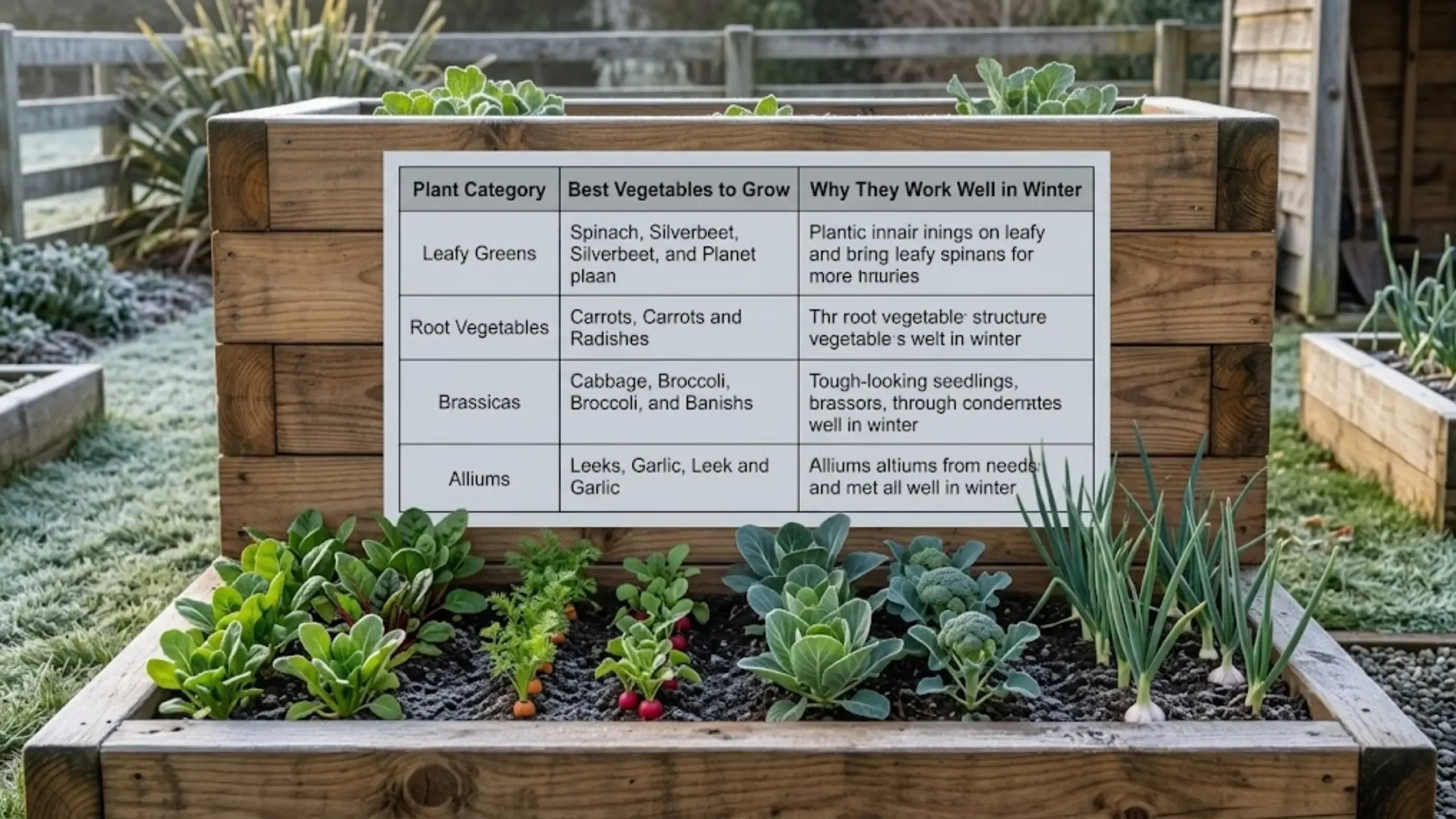
When you plan your winter planting, make sure to space your plants out a little more than you would in summer. Because the winter sun sits lower in the sky, plants cast longer shadows. Giving them extra room ensures that every leaf gets as much precious sunlight as possible.
Fighting the Frost: Protection Strategies
Even with the best soil in the world, a heavy Richmond frost can damage tender leaves. Frost happens when the moisture in the air freezes onto the plant, expanding and bursting the plant cells. The easiest way to stop this is to keep the frost from settling on the leaves in the first place.
Because your garden is already lifted off the ground, adding frost protection is incredibly easy. You can easily attach flexible plastic hoops to the sturdy timber sides of your planter. Drape a layer of horticultural frost cloth over these hoops to create a mini greenhouse. The cloth allows sunlight and rain to pass through but traps the warmth rising from the soil, keeping the air around your plants several degrees warmer than the outside air.
Another brilliant trick is heavy mulching. By adding a thick layer of pea straw or bark around the base of your plants, you add another layer of insulation over the soil. This stops the top layer of dirt from freezing solid and protects the shallow roots of your winter greens.
Why Timber is the Ultimate Choice for Winter Beds
You can build garden borders out of metal, plastic, or concrete, but nothing beats solid timber for a winter garden. Metal heats up quickly but loses all its heat the second the sun goes down, offering zero insulation against the night cold. Plastic can become brittle in freezing temperatures and often lacks the strength to hold back heavy, wet winter soil.
Timber is nature's perfect building material. It breathes, it insulates, and it looks beautiful in any backyard setting. When you choose thick, durable wood, you are investing in a garden that will last for years, weathering everything the New Zealand climate can throw at it. For those wanting to understand exactly how wood thickness impacts soil warmth, our timber thickness garden beds guide explains the science behind it.
Furthermore, using locally sourced wood ensures that your garden fits naturally into the landscape. It is environmentally friendly and robust. Whether you are building a small herb box or a massive vegetable station, choosing the right timber is your first step to winter success. You can see some brilliant examples of how timber transforms a space by checking out Plankville in action.
Preparing Your Setup for the Cold Months
To get the most out of your winter garden, you need to prepare the soil before the deep cold sets in. After your summer crops have finished, take the time to replenish the earth. Winter plants are hungry, and they need plenty of energy to grow when the sun is weak.
Start by mixing in a generous amount of high-quality compost and aged sheep pellets. This adds essential nutrients and improves the structure of the soil, ensuring that your drainage remains perfect. Never step on the soil inside your raised area. One of the greatest benefits of this gardening method is that the soil stays light and fluffy because it is never compacted by human feet. This loose soil is exactly what winter root crops like carrots need to push deep into the earth.
If you are looking for inspiration on how to design your winter layout, or you want to read more about preparing for the cold, you can explore more tips in our guide to winter proof raised garden beds in NZ.
Key Benefits of Raised Winter Gardening
Perfect Water Management: Say goodbye to flooded gardens and rotting roots; excess rain drains away effortlessly.
Warmer Growing Conditions: Insulating timber walls trap daytime heat, keeping soil temperatures higher during freezing nights.
Easier on Your Back: Tending to your garden is much more comfortable when the soil is lifted to a workable height.
Better Pest Control: Snails and slugs find it much harder to climb dry timber walls during the wet winter months.
Total Soil Control: You decide exactly what goes into your dirt, ensuring the perfect mix of compost and drainage for winter vegetables.
"A winter garden is not a place of sleep; with the right raised setup and good timber, it becomes the most rewarding season of the year."
Conclusions
You do not have to give up on fresh, home-grown food just because the temperature drops. By lifting your soil out of the freezing, waterlogged ground, you give your plants a fighting chance to thrive. Raised garden beds provide the perfect balance of excellent drainage, warmer soil, and easy frost protection. When you build these beds using thick, high-quality timber, you create an insulating fortress that protects your crops from the harshest Richmond Tasman weather.
From sweet winter carrots to robust leafy greens, your garden can remain a source of joy and food all year long. It takes a little bit of preparation and the right materials, but the reward of harvesting your own dinner on a cold July evening is completely worth it. Do not let the winter slow you down; instead, use it as a chance to grow a different, delicious range of crops.
Call to Action
Are you ready to transform your backyard into a highly productive year-round garden? Stop fighting the frozen ground and upgrade your growing space today. Explore our beautiful, durable planter garden beds designed specifically to handle the New Zealand climate.
If you need advice on the best timber for your project, or if you want custom sheds and garden boxes built to your exact needs, we are here to help. Contact us at Plankville today to discuss your winter gardening plans. Looking for a great present for the gardener in your life? Check out our gift vouchers and help them start their winter growing journey!
FREQUENTLY ASKED QUESTIONS
-
Yes, you should definitely leave your soil in the beds over winter. However, do not leave it bare. If you are not planting winter vegetables, cover the soil with a thick layer of organic mulch like pea straw or plant a green cover crop like mustard or lupins. This protects the precious topsoil from washing away in heavy winter rain and stops weeds from taking over before spring arrives.
-
The Nelson Tasman region has a great climate for winter growing. The absolute best vegetables to plant are hardy greens like silverbeet, spinach, and kale. Brassicas like broccoli, cabbage, and cauliflower do incredibly well. You can also grow amazing root crops such as carrots, parsnips, and beetroot, as they love the loose, well-draining soil that a raised structure provides.
-
All wood will eventually break down when touching wet soil, but high-quality, thick timber takes many years to rot. Choosing naturally durable woods like Macrocarpa or treated timber designed for ground contact ensures your garden will survive countless wet New Zealand winters. Using thick boards (over 40mm) greatly increases the lifespan and provides better insulation against the cold.
-
The easiest way to stop frost damage is by building a physical barrier. You can bend flexible plastic pipes over your timber beds and secure them to the wooden sides. Drape a high-quality horticultural frost cloth over the pipes. This stops freezing moisture from settling on the plant leaves while still allowing essential sunlight and rain to filter through to the soil below.
-
While it is best to plant winter crops in late summer or autumn so they can establish roots while the soil is still warm, you can still plant in June or July. You will just need to buy established seedlings from the garden centre rather than starting from seed. Plant them directly into your raised dirt and cover them with frost cloth immediately to help them survive the shock.
-
Yes, you need to water much less frequently in winter. Because the days are shorter and cooler, evaporation slows down dramatically, and natural rainfall is usually enough. However, raised structures drain very well, so you still need to check the soil moisture. Poke your finger into the dirt; if it is completely dry a few inches down, give it a light water in the morning.
-
If you choose not to grow winter vegetables, you must protect your soil. Heavy July rains will compact the dirt and wash out all the good nutrients. Cover your empty soil with black polythene plastic to warm the soil and kill weeds, or lay down thick cardboard covered in compost and mulch. This ensures your dirt is rich, warm, and ready to go when spring planting begins.
-
For long root vegetables like carrots and parsnips, your soil needs to be at least 300mm to 400mm deep. If your planter is shallower than this, the roots will hit the hard ground underneath and grow stunted or crooked. Deep timber sides not only allow for massive root growth but also provide a larger volume of soil, which holds heat much better during freezing winter nights.
-
The type and thickness of the wood matter immensely. Thin, cheap wood will warp, split, and rot quickly in cold, wet weather, and it offers terrible insulation. Investing in thick, locally sourced timber like the wood used at Plankville provides a massive thermal mass. This thick wood absorbs heat during the day and keeps the soil warm at night, protecting delicate plant roots.
-
Unless you have a fully enclosed, heated glasshouse built over your garden bed, you cannot grow tomatoes during a standard New Zealand winter outdoors. Tomatoes require warm soil and long, hot daylight hours to fruit. As soon as the frost hits the leaves of a tomato plant, it will turn black and die. Stick to hardy brassicas and root vegetables for winter success.
