
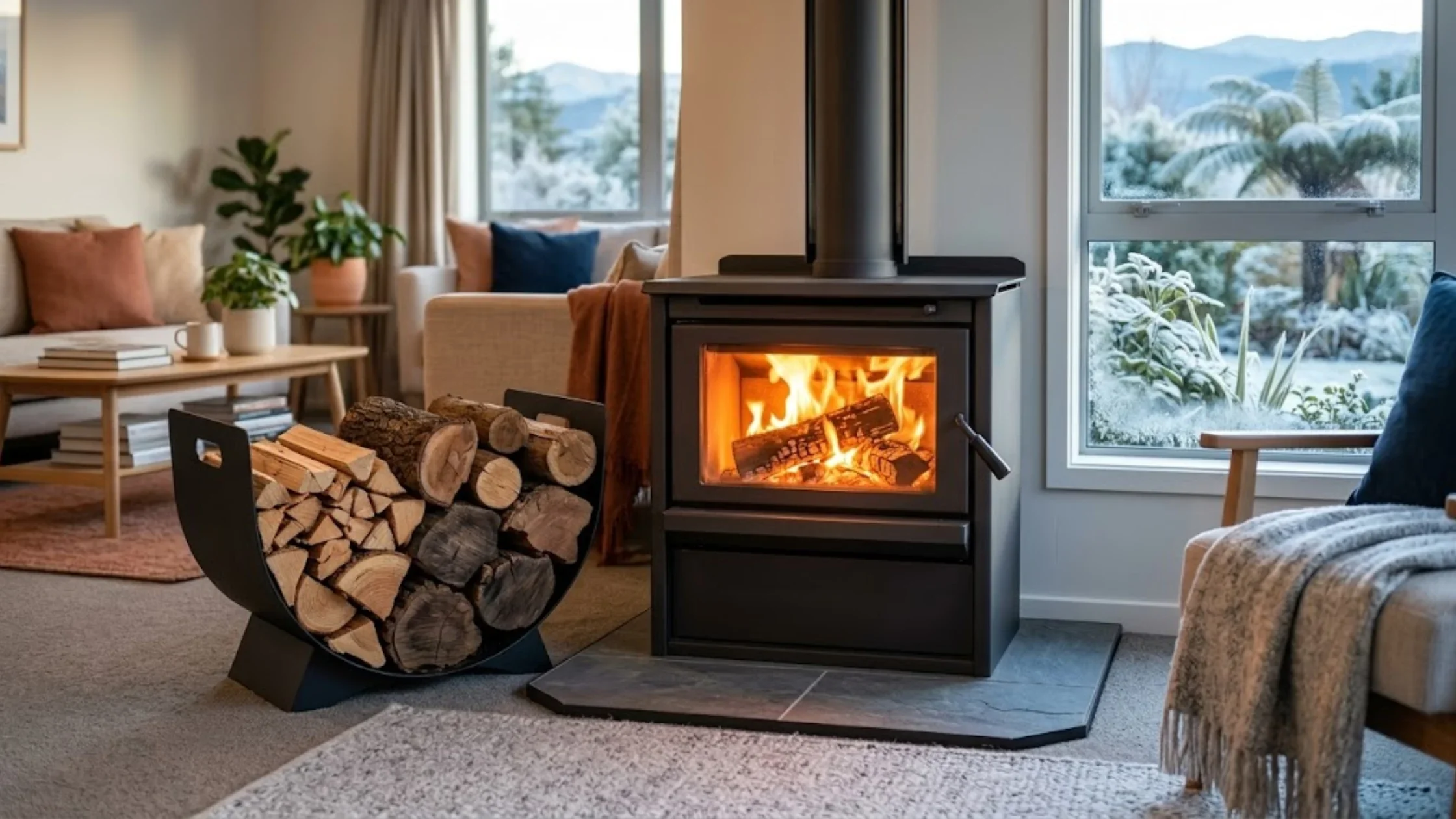
Picture this: you have stacked your woodshed in autumn confident you have enough fuel to keep your home toasty until spring. But as July rolls around and the frost settles over Richmond and the wider Tasman region, you realise your wood pile is shrinking at an alarming rate. You might find yourself scratching your head and wondering if someone is sneaking away with your logs in the middle of the night. The truth is your firewood burns faster during the colder months and understanding the science behind this phenomenon can save you money, keep your house warmer and ensure you are not left shivering when the next blasts through.
Key Takeaways
Cold Air Fuels the Fire: Dense winter air contains more oxygen and creates a stronger draft that causes your firewood to burn faster.
Moisture Steals Heat: Wet wood wastes energy creating steam instead of heating your room; always burn wood with less than 25% moisture.
Mix Your Species: Use softwoods like pine to start the fire quickly and then switch to dense hardwoods like gum to sustain a long slow burn.
Control the Airflow: Once the fire is well-established, turn down your burner's air intake to prevent the winter draft from consuming your logs too .
Proper Storage is Essential: Keep your investment dry by storing it off the ground in a well-ventilated space to ensure it is ready when the frost hits.
The Overview
If you rely on winter heating for your home, knowing how different factors have an influence on your fire is essential. This guide explains why firewood in Nelson seems to vanish quicker when the temperature drops. We will explore how dense winter airflow acts like a natural bellows for your fireplace how unseen moisture content robs your wood of its heating potential, and why the right timber species choice is the difference between a short blaze and a durable ember bed. In the end, we will look at how your overall consumption rates shift during Nelson's coldest months giving you the expert knowledge you need to stock up with high-quality timber from Plankville.
The Science of Cold Air and Firewood Consumption in Nelson
When the crisp winter air descends upon Nelson, it brings a hidden challenge for your fireplace. You might not realize it, but cold air is much denser than warm air. This means that for every cubic metre of chilly air drawn into your home and pulled up your chimney, there is a much higher concentration of oxygen compared to a mild autumn evening. Oxygen is the driving force of combustion. When your fire is fed a constant stream of dense, oxygen-rich winter air, it burns with greater intensity and speed.
As the temperature difference between the hot gases in your chimney and the freezing air outside widens, the convective currents inside your flue gain much more strength. This rapid updraft sucks fresh air into the firebox at a higher velocity. It is just like blowing on a campfire to get it going, but your chimney does it . Because the fire burns hotter and faster, it consumes your logs much more than you might expect. This leads to higher consumption rates throughout July and August.
How Winter Airflow Feeds the Flames
To counter this natural acceleration, you need to manage your air controls . Many people make the mistake of leaving their flue wide open long after the initial kindling has caught. While Nelson City Council's "Burn Bright" guidelines recommend keeping the air open for the first fifteen minutes to establish a clean, smoke-free burn leaving it open all night will incinerate your fuel. Once you have a glowing bed of embers and your larger logs are fully engaged, you need to adjust the airflow down to help regulate that dense winter oxygen and slow the burn rate to a comfortable lasting heat.
The Role of Wood Moisture in Winter Fires
Perhaps the biggest thief of your winter warmth is moisture. If you have ever tried burning unseasoned timber, you know the frustration of a smoky fire that smoulders and provides zero comfort. When you place a log with high water content into your burner, the fire must first use its energy and boil off that internal moisture before it can produce heat for your room.
During the coldest months, if you burn damp wood, you run a inefficient water boiler. The heat energy goes to waste on the creation of steam, which travels straight up the chimney taking your money with it. What's more wet wood leads to poor combustion, which results in excessive smoke that contributes to Nelson's winter air pollution. This is why local regulations require firewood to have a moisture content below 25%. When your wood is thoroughly dry, all the energy goes to heat your home. This means you need fewer logs to achieve the same cozy temperature.
"Dry wood will burn so it not keeps your home warmer but wastes less energy and money. Smoke going up your chimney means your wood has less heat production so it costs you more." – Nelson City Council Burn Bright Initiative
To protect your investment, keeping your fuel dry is essential. Store your logs off the ground and under a waterproof cover to prevent dampness from seeping in. If you need a proper storage solution to maintain optimal dryness, explore custom firewood sheds to ensure your supply remains seasoned no matter how much rain hits the Tasman region.
Why Wood Species Matter for Your Nelson Wood Burner
Not all timber is created equal, and tossing just any log into the fire will lead to unpredictable heating results. The species of wood you choose dictates its density, and density is the ultimate secret to a long slow burn. Lightweight woods ignite and put out a quick burst of heat making them great to start a fire. However, if you rely on these lighter woods throughout a freezing winter night, you will be reloading the fireplace.
Denser and heavier woods pack bound fibres that take much longer for the flames to break down. They burn and produce an abundance of thermal energy and leave behind a fantastic bed of hot coals that radiate warmth for hours. Understanding the balance between these types is how the experts get the most out of their firewood in Nelson.
Hardwoods vs Softwoods
Here is a simple breakdown of how different types of wood perform in your home heater:

For the ultimate winter strategy, you should start your fire with dry softwoods to establish a strong draft and eliminate smoke, then transition to heavy hardwoods to maintain the temperature. If you are looking to source high-quality, perfectly seasoned timber, checking out reliable wood products from trusted local suppliers ensures you get the exact right mix for your burner.

Key Benefits of Choosing the Right Winter Firewood
When you take the time to understand moisture, airflow, and species, the benefits extend far beyond just a nice-looking fire.
First and foremost, you gain exceptional heating efficiency. Dry dense hardwoods provide maximum thermal output from every single log meaning your home stays warmer for much longer periods. You will not have to wake up at three in the morning to feed the fire, because a good hardwood ember bed will carry the heat right through until sunrise.
Secondly, you will see a massive reduction in your overall consumption. Because you are not wasting energy boiling away internal moisture or feeding a runaway draft, your wood pile will last significantly longer. This translates to financial savings, as you will need fewer deliveries throughout the season.
Finally, burning the right wood protects your health and your community. Dry wood produces minimal smoke keeping your chimney clean and reducing the harmful particulate matter released into Nelson's winter air. A clean-burning flue operates lowering the risk of chimney fires and ensuring you stay compliant with local environmental guidelines.
Conclusions
Getting through the cold months in the Tasman region doesn't have to mean watching your firewood supply vanish in the blink of an eye. When you understand the invisible forces at play—how dense winter oxygen speeds up combustion how unseen moisture drains your heating effectiveness, and how wood density determines longevity—you take total control over your home's warmth. Firewood in Nelson burns faster in winter because the environment demands more energy, but with the right knowledge, you can outsmart the cold.
Keep in mind the need to source well-seasoned timber, store it securely away from the elements, and master the air controls on your burner. Whether you need a reliable shed to keep your supply dry or are looking for the best timber solutions in the region, investing in quality makes all the difference. Stay warm, burn bright, and enjoy the cozy comfort of a managed winter fire.
FREQUENTLY ASKED QUESTIONS
-
Cold winter air is denser and holds more oxygen per cubic metre than warmer air. When this dense air is drawn into your fireplace, it acts like a natural bellows and feeds the flames more oxygen. This causes the wood to combust at a much faster more intense rate than during milder weather.
-
You should use both, but for different stages. Softwoods like pine are perfect to start the fire because they ignite and heat the flue. Once the fire is established, you should switch to hardwoods like gum or oak, which are denser and burn much slower. This provides sustained heat overnight.
-
Dry wood known as seasoned wood has visible cracks on the ends and feels lightweight. If you strike two pieces together, they should make a sharp hollow cracking sound rather than a dull thud. Burning dry wood ensures the heat goes into your room, not up the chimney as steam.
-
Excessive smoke comes from burning wood with high moisture content or burning resinous woods like Old Man Pine. When wood is wet, the fire struggles to burn . Make sure your wood is seasoned and avoid sappy timber to achieve a clean hot burn.
-
You should store your firewood off the ground on pallets, to stop moisture from seeping up from the earth. Stack it to allow air to flow through the sides, and cover the top with a waterproof roof or securely tied tarpaulin to protect it from rain while allowing the wood to breathe.
-
Yes, it does. Once your fire burns with a good bed of embers, turning down the air intake restricts the flow of oxygen. This slows the combustion process down , prevents the dense winter draft from burning through your logs too and extends the heat output.
-
No, you must never burn treated timber, MDF, or painted wood. These materials contain harmful chemicals and preservatives like arsenic. When burned, they release toxic fumes into your home and the environment, and they are banned from domestic wood burners in Nelson.
-
The Burn Bright method has you leave a bed of ash, use plenty of scrunched newspaper and dry kindling, and keep the air control open. You light it in several places and let it burn hard for 15 minutes before adding larger logs. This gives you a hot, smoke-free start.
-
Buying your firewood in summer or early autumn gives the wood enough time to dry out (season) before the cold weather hits. If you buy wood in the middle of winter, it may still be green or damp, which will lead to poor heating excessive smoke and wasted money.
-
In Nelson, you can build a woodshed without a Building Consent provided it is less than 10 square metres in floor area, no more than one storey high and situated away from boundaries. It is the perfect way to protect your fuel supply from the wet winter weather.
Choose next step
Are you ready to secure your winter warmth and make sure your firewood stays dry all season long? Don't wait until the next frost bites to upgrade your outdoor storage.
Explore our custom Timber products and Sheds today to find the perfect shelter for your winter fuel, or Contact the team at Plankville for expert local advice on all your timber needs!
