
What Makes Timber Furniture Truly “Handcrafted”
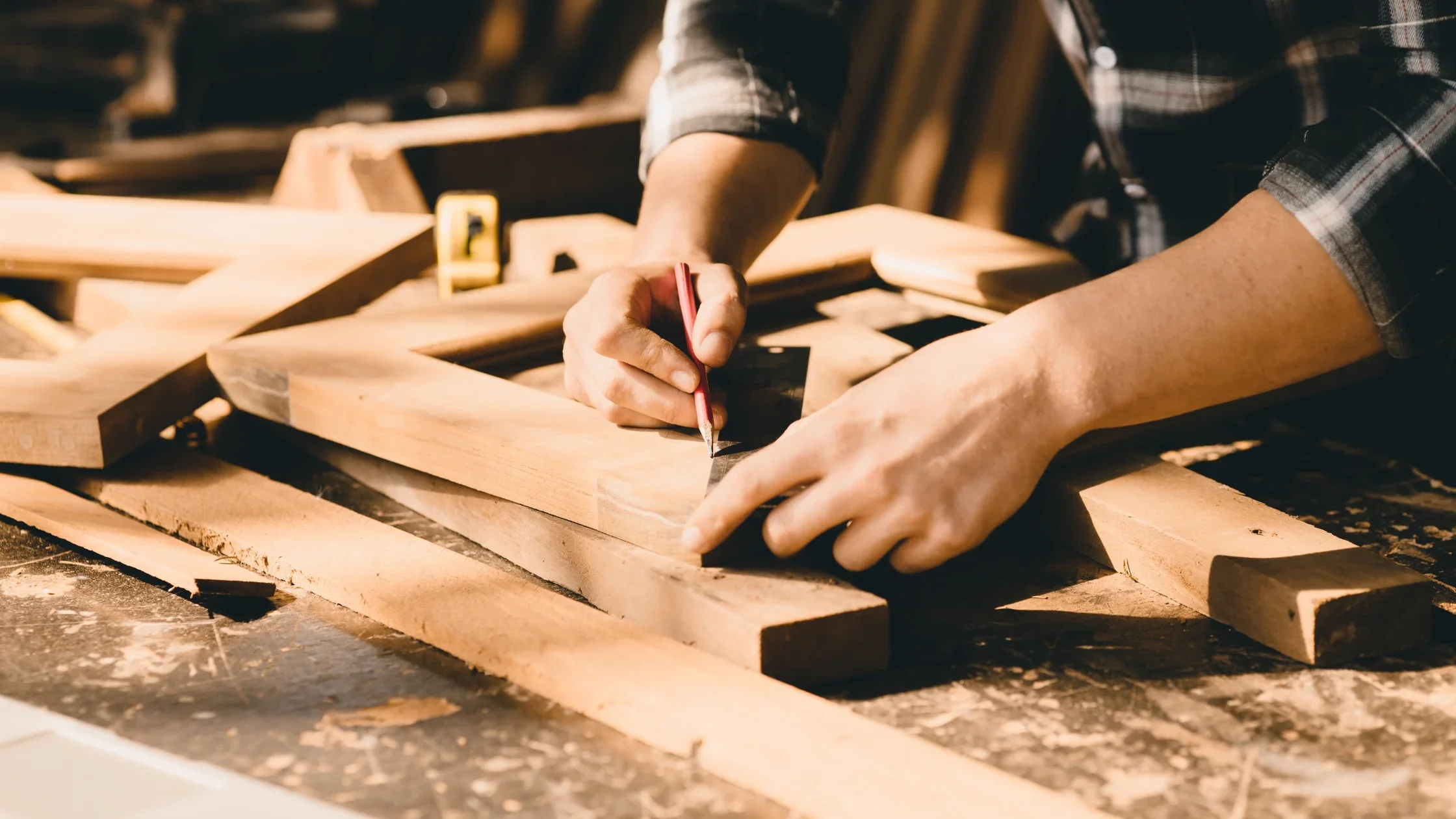
A Buyer’s Checklist for Quality, Craftsmanship & Longevity
If you’ve been searching for “what is handcrafted furniture”, you’re not alone.
More people across New Zealand are choosing timber furniture that feels real, lasts longer, and tells a story. But here’s the problem—not everything labelled “handcrafted” truly is.
Some furniture is mostly machine-made with a few hand-finished touches. Others are built from start to finish by skilled craftspeople using solid timber, time-tested techniques, and careful attention to detail.
So how do you tell the difference before you buy?
This guide breaks it down in plain language. You’ll learn what handcrafted timber furniture really means, how it differs from semi-manufactured pieces, and what to look for if you want furniture that lasts for decades—not just a few years.
Key Takeaways
Not all “handcrafted” furniture is truly handmade
Solid timber and traditional joinery are key signs of quality
Semi-manufactured furniture often prioritises speed over strength
Handcrafted timber furniture lasts longer and ages better
Plankville offers genuine handcrafted furniture made in NZ
Why “Handcrafted” Matters More Than Ever
Furniture is no longer just functional. It shapes how your home feels, how it ages, and how often you need to replace it.
Handcrafted timber furniture offers something mass-produced pieces can’t:
Strength that improves with age
Natural character instead of uniform perfection
The option to customise size, timber, and finish
A connection to the people who made it
At Plankville, handcrafted means building furniture that fits your space, your lifestyle, and your future—not a factory template. You can see this approach reflected across their custom timber furniture projects and real-world builds in Plankville in Action.
What Does “Handcrafted” Furniture Actually Mean?
True handcrafted timber furniture is made by skilled makers, not assembly lines.
That doesn’t mean no machines are used at all—tools help with precision and safety—but the decisions, joins, shaping, and finishing are guided by human hands and experience, not automation.
A handcrafted piece is:
Built from solid timber, not veneer or MDF
Designed around the wood’s grain, movement, and strength
Assembled using traditional joinery methods
Finished by hand for durability and texture
This is very different from furniture that’s cut by CNC machines, sprayed in bulk, and assembled as fast as possible.
Handcrafted vs Semi-Manufactured: What’s the Difference?
This is where buyers often get caught out.
Semi-Manufactured Timber Furniture
Often marketed as “handcrafted”, these pieces:
Use factory-cut components
Rely heavily on screws, dowels, or glue blocks
May include veneer over engineered boards
Are made in batches with limited customisation
They look good at first, but tend to loosen, chip, or warp over time.
Truly Handcrafted Timber Furniture
Authentic handcrafted furniture:
Uses solid timber throughout
Is built one piece at a time
Allows for custom sizing, timber choice, and finishes
Is designed to last for generations
Plankville’s approach to timber selection and joinery is outlined in their Timber & Wood Products section, where each species is chosen for strength, grain, and longevity.
A Buyer’s Checklist: How to Spot Real Handcrafted Furniture
1. Solid Timber, Not Veneer
Handcrafted furniture starts with real wood. If the grain looks printed or repeated, it’s likely veneer. Solid timber shows natural variation—knots, grain shifts, and depth.
2. Visible Joinery
Look for mortise and tenon joints, dovetails, or housed joins. These techniques lock timber together without relying on hardware.
3. Weight and Feel
Solid timber furniture is heavier. When you touch it, it feels warm and grounded—not hollow.
4. Custom Options
True makers can adapt designs. If size, timber, or finish can’t be changed at all, it’s probably semi-manufactured.
5. Hand-Finished Surfaces
Handcrafted pieces are sanded and finished by hand, allowing the grain to remain tactile rather than sealed under thick coatings.
Why Handcrafted Timber Furniture Lasts Longer
Wood moves. It expands and contracts with temperature and humidity. Skilled craftspeople understand this and build furniture that works with the timber, not against it.
Handcrafted furniture:
Ages beautifully instead of breaking down
Can be refinished rather than replaced
Holds its structural strength over time
This is why many families pass down solid timber tables and cabinets for generations.
The Role of Experience and Craftsmanship
True handcrafted furniture reflects experience, not speed.
Plankville’s team brings years of hands-on timber knowledge, from selecting raw slabs to final installation. Their process is guided by:
Timber behaviour knowledge
Structural integrity standards
Real-world use cases, not showroom shortcuts
You can learn more about their values and approach on the About Plankville page, which highlights their commitment to quality and honest craftsmanship.
Is Handcrafted Furniture Worth the Investment?
While handcrafted timber furniture costs more upfront, it saves money long-term.
You’re paying for:
Longevity instead of replacement cycles
Custom fit instead of compromise
Repairability instead of disposal
For many homeowners, it becomes a once-in-a-lifetime purchase.
How Handcrafted Furniture Solves Common Buyer Problems
If you’ve ever struggled with:
Furniture that doesn’t fit your space
Wobbly tables after a year
Cheap finishes that scratch easily
Handcrafted timber furniture is the solution. It’s built for real homes, real families, and real use.
Plankville specialises in bespoke timber furniture designed to fit your space exactly—whether it’s a dining table, bench seating, or custom wood feature. Explore their Services to see what’s possible.
Why Choose Plankville for Handcrafted Timber Furniture?
Plankville combines:
Local NZ craftsmanship
Sustainably sourced timber
Honest materials (no hidden shortcuts)
Collaborative design with clients
Each piece is made with intention, not volume. That’s what separates true handcrafted furniture from the rest.
Ready to Take the Next Step?
If you’re exploring handcrafted timber furniture and want guidance—not pressure—Plankville is here to help.
👉 See real handcrafted builds.
Even a short chat can help you understand what’s possible for your space.
FREQUENTLY ASKED QUESTIONS
-
Handcrafted furniture is made primarily by skilled craftspeople using solid timber, traditional joinery, and hands-on finishing rather than mass production.
-
Yes. Handcrafted furniture is stronger, more durable, and can be customised. It’s built to last rather than to meet factory output targets.
-
Check the grain pattern, weight, edges, and underside. Solid wood shows natural variation and isn’t hollow or laminated.
-
You’re paying for skilled labour, quality materials, and time. The result is furniture that lasts decades instead of years.
-
For buyers who value durability, custom design, and long-term value, handcrafted furniture is a smart investment.
