
How Timber Grain Patterns Have an Impact on Strength, Longevity & Design
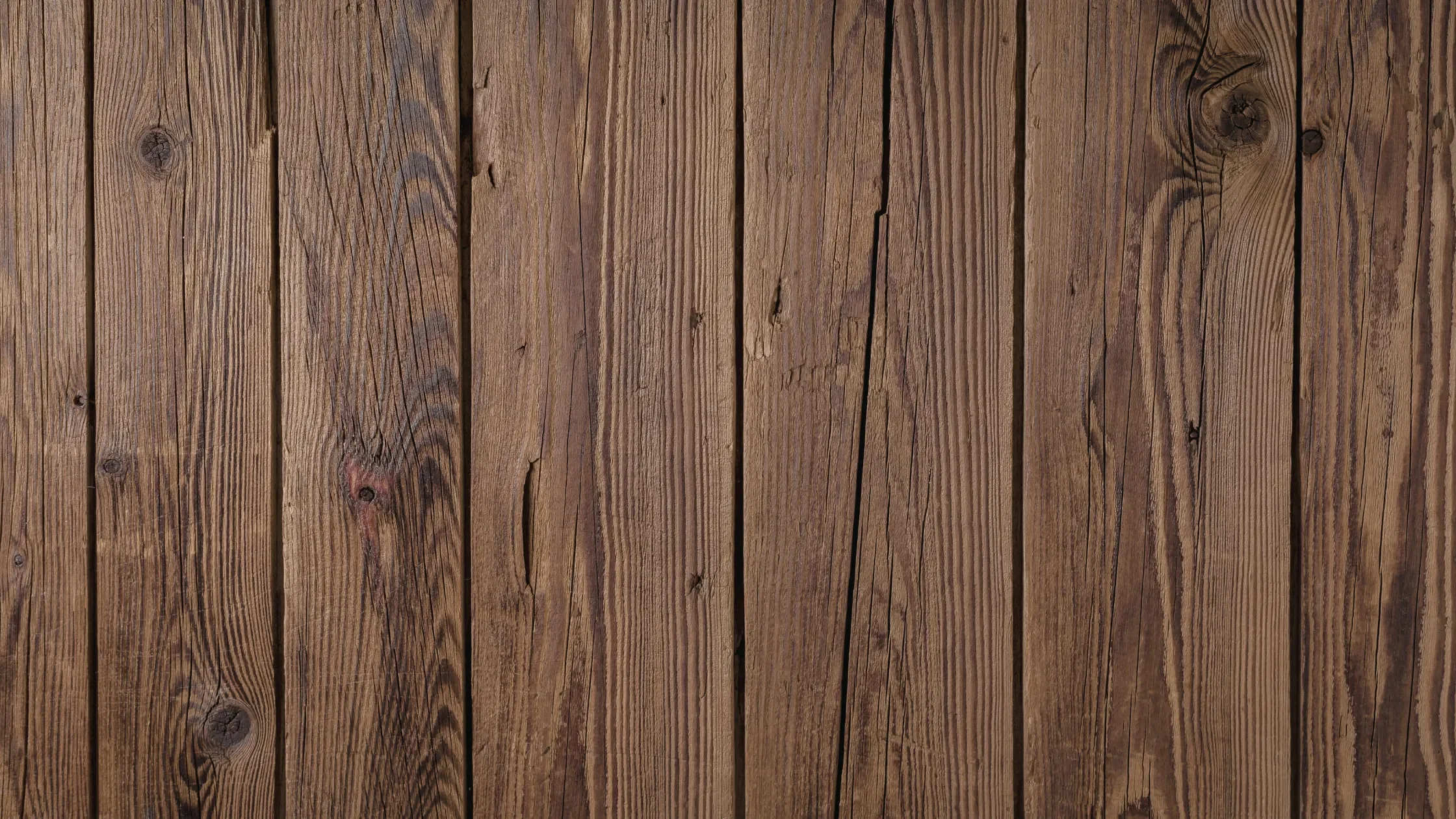
When you pick timber to make furniture, flooring, or custom projects, the wood's beauty is just the start. The grain pattern—how the wood fibers run—plays a big part in deciding not the look but also the strength, longevity, and usefulness of your timber. At Plankville, we work hand-in-hand with every slab and flitch, getting to know the small differences between straight grain wild grain, and slab grain to help you pick the right wood for your project.
If you're a craftsman, designer, or just love timber, knowing about wood grain types is crucial to make sure your furniture looks great and lasts a long time.
Key Takeaways
Wood grain patterns—straight, wild, or slab—shape a piece's strength and looks
Straight grain offers strength and stability; wild and slab grains catch the eye but need careful handling
Knowing grain helps stop warping, cracking, and makes wood last longer
Pick grain to match both design goals and how you'll use the wood
Plankville gives expert advice, eco-friendly NZ wood, and custom-cut slabs and flitches for any job
What Are Wood Grain Patterns?
Wood grain describes how fibers line up, feel, and look in wood. Each pattern shows how the tree grew, what stresses it faced, and what natural quirks give wood its unique features. These patterns have an impact on how easy the wood is to work with and how strong it is.
Here are the main grain types you'll see:
1. Straight Grain
People value straight grain wood for its evenness and reliability. The fibers run side by side along the wood's length, which makes it tough, steady, and simple to use. Furniture makers like straight grain for building parts like table legs, beams, and shelves, because it doesn't warp and splits.
Benefits:
Tough and long-lasting
Stays in place with little movement
Looks sleek and polished
At Plankville, we offer straight-grain slabs and flitches that are perfect for exact woodworking or a simple modern style. Check out our complete set of timber slabs and flitches to find options that work well for straight-grain projects.
2. Wild Grain
Wild grain catches the eye and varies more, showing curves, swirls, or "figured" patterns. This grain type adds an artistic touch, but you need to choose for structural uses because uneven fibers can be weaker in some directions.
Benefits:
Striking, attention-grabbing designs
Ideal for statement pieces such as tabletops or ornamental panels
No two pieces are alike
People looking for wood with a story will find that wild grain slabs add both charm and character to their projects. At Plankville, we value the natural bends and traits of wild grain crafting furniture that catches the eye while remaining sturdy and useful. Our custom timber furniture projects can spark your imagination.
3. Slab Grain
Slab grain means cross-sections or full slabs of wood that keep the natural edge. The grain can mix straight and wild patterns showing off the raw look of the tree. People often use this type to make live-edge tables, benches, and artistic furniture.
Benefits:
Strong natural looks
Can be tough and durable if cut right
Great for standout furniture that shows off wood's natural beauty
Our Slabs, Flitches & Specialty Wood collection is just what you need to capture the organic beauty of slab grain giving both eye-catching appeal and lasting strength.
How Grain Patterns Affect Strength and Longevity
Wood grain isn't just for show; it's part of the wood's structure. Straight-grain wood has consistent strength along its fibers making it great for supporting weight. Unusual or wild grain can create stress points that need careful handling, but it gives you a striking, one-of-a-kind appearance.
When you know about grain, you can pick wood that:
Lowers the chance of bending or splitting
Fits what your furniture needs to do
Adds natural texture to your room's look
At Plankville, we check each piece . We make sure that straight wild, or slab grain all meet our high standards for strength and stability. Our custom timber services ensure your project looks great and lasts for generations.
Design Implications of Grain Patterns
Grain does more than affect strength; it shapes how things look and feel:
Straight grain makes clean lines for modern simple designs
Wild grain adds movement and interest to standout pieces
Slab grain gives a strong, rustic, or natural look
When you're designing furniture or interior features, think about how the grain works with lighting, finishes, and the whole space. At Plankville, we help clients through this process. We make sure the wood's natural patterns stand out and match your design ideas.
Why Choose Plankville Timber?
Picking the right timber grain can be tough, but working with experts makes a big difference. Plankville gets top-quality New Zealand timbers, like Macrocarpa, Rimu, Totara, and recycled hardwoods. We offer:
Expert tips on grain, toughness, and how to use it
Slabs and flitches cut just how you want them
Sustainable local timber that backs NZ forestry and craftsmanship
When you pick Plankville, you're not just getting wood—you're putting your money into quality, long-lasting, and good-looking products. Check out our contact page to talk about your next project.
Conclusion
Timber means more than wood; it's a living material with personality, toughness, and a tale to tell. Picking the right grain pattern makes sure your furniture or interior project looks great, lasts long, and stands out as one-of-a-kind. Take a look at our custom timber options and kick off your project with Plankville today.
FREQUENTLY ASKED QUESTIONS
-
Straight grain lines up with the length of the timber and has strength and stability. Wild grain shows swirls and curves, which look interesting but can make the wood weaker.
-
The way grain runs and looks changes how wood deals with stress, water, and weight. Straight-grain timber doesn't warp or crack as much, while wild or slab grain might need more careful planning.
-
A flitch is a big chunk of a log often cut to make slabs. It can show different grain patterns and people often use it to create custom furniture or pieces with live edges.
-
Yes, but you need to pick it and sometimes make it stronger. People often use wild-grain timber for eye-catching parts instead of the main supports.
-
Plankville offers a handpicked range of slabs, flitches, and special timber that works well for both useful and decorative projects. Check out our wood products now.
