
Specialty Timber for Creative Projects: What Builders and Designers Look For

Why Specialty Timber is the Secret to Iconic Design
Close your eyes and think about the last building that moved you. It wasn't the cold steel or the flat grey of concrete that caught your heart. It was almost the warmth of wood. There is something human about timber. It breathes, it has a history, and it tells a story through every knot and swirl in its grain.
For builders and interior designers, finding the right material isn't just about buying wood. It has to do with sourcing a piece of nature that will stand the test of time. When you move away from the standard, mass-produced boards found in big-box retailers, you enter the world of specialty timber. This is where the magic happens. Whether you are crafting a bespoke kitchen island or a striking outdoor deck, the timber you choose is the foundation of your creative vision.
At Plankville, we believe that every project deserves a touch of the exceptional. Based in Nelson, we've seen firsthand how the right piece of architectural timber can turn a simple room into a sanctuary. But what are professionals looking for? And why is specialty wood the gold standard for creative woodworking? Let's pull back the curtain on the world of high-end timber.
Key Takeaways
Look beyond the surface: Specialty timber offers natural durability that removes the need for harsh chemicals.
Put stability first: Species like Cedar and Redwood are less likely to warp, which saves you money on future repairs.
Tell a story: Use sourced timber to add an ethical and emotional connection to your build.
Consult the experts: Talk to your supplier in the design phase to ensure the timber you want is fit for your specific purpose.
Think about the finish: Consider how the wood will age—some look better as they silver off, while others need regular oil treatments to stay vibrant.
Getting to Know the Soul of Specialty Timber
When we talk about specialty timber, we aren't just talking about fancy wood. We are talking about species that offer unique physical and aesthetic properties that common pine cannot match. Builders and designers look for three main things: character, durability and a story.
Most modern construction relies on fast-growing treated timber. While functional, it often lacks the soul required for high-end design. Creative projects demand creative woodworking timber that offers natural resistance to decay stunning colour palettes and structural strength that lasts for generations.
In New Zealand, we are lucky to have access to some incredible species. From the deep rich reds of Sequoia (Redwood) to the silver-gold strength of Macrocarpa and Cypress, these woods aren't just building materials—they are design elements in their own right. When a designer walks into our yard, they aren't just looking for a 4x2; they are looking for the perfect grain pattern that will catch the light in a client's hallway.
What Builders Prioritise: The Technical Edge
A builder places performance above beauty. A piece of wood can look beautiful, but if it twists, warps, or rots within five years, it is a failure. This is why builders value Nelson timber suppliers who understand the technical specs of their stock.
Stability: This is the big one. Builders look for timber that has been seasoned or dried. Specialty woods like Western Red Cedar or local Cypress are prized because they are stable. This means they don't shrink or expand with the weather, which is crucial for joinery and cladding.
Natural Durability: Many specialty woods contain natural oils and tannins that protect them from insects and fungi. This allows designers to use wood in its raw state without the need for heavy chemical treatments, which is better for the environment and the health of the people who live in the home.
Workability: Not all wood is easy to handle. Builders love timber that takes a finish well, holds a nail without splitting, and saws cleanly. Specialty timber often provides a superior finish that has a more rewarding impact on the craftsman's job.
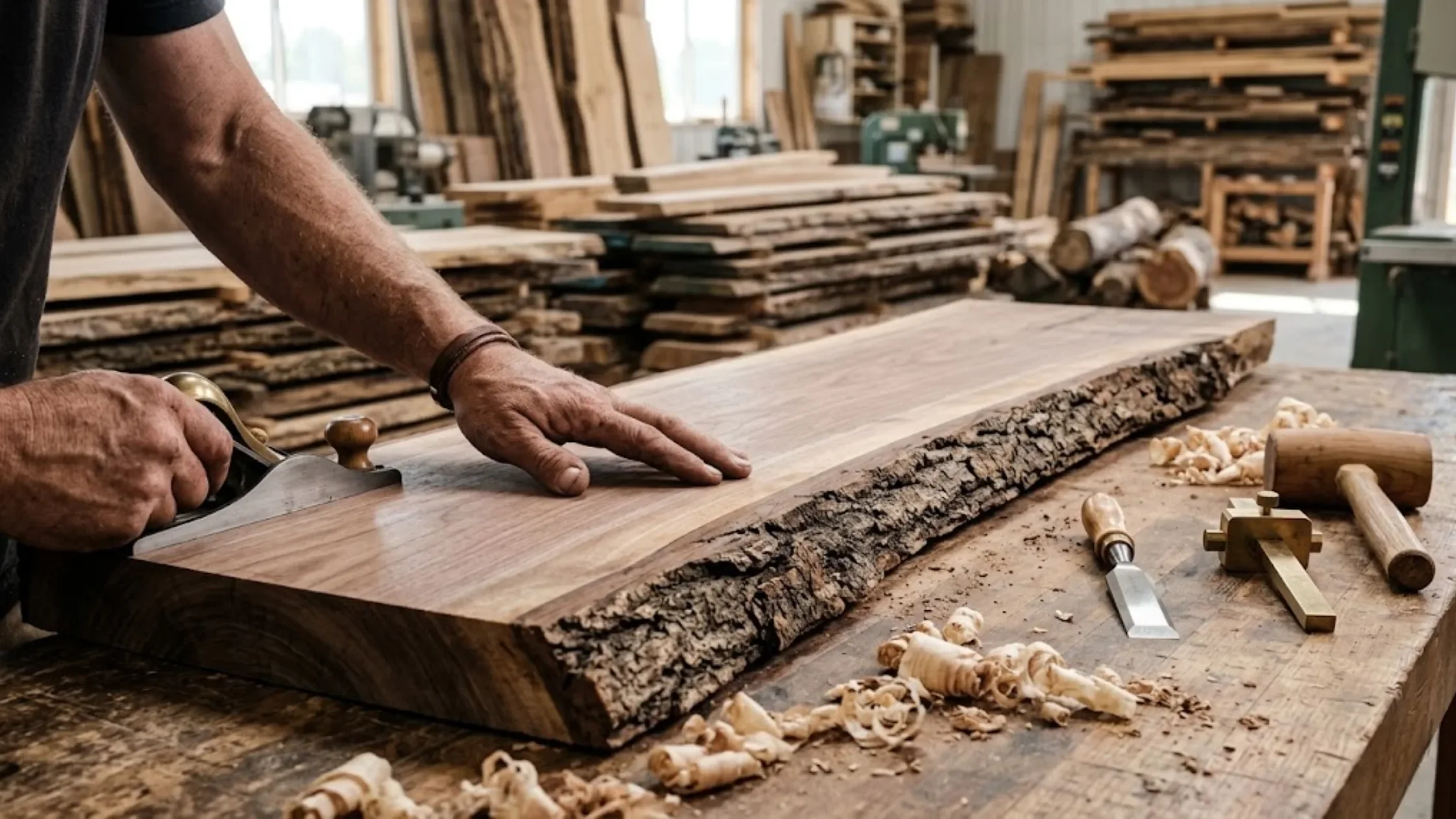
What Designers Prioritise: The Aesthetic Vision
Interior designers view timber from a different perspective. To them, wood serves as a palette. They search for ways to create moments within a home.
Colour Depth: Think about the difference between a painted surface and a Redwood slab. The Redwood has layers of burgundy, chocolate and rose. Designers use these natural tones to ground a room and provide warmth that artificial materials can't replicate.
Texture and Scent: Have you ever walked into a room clad in Cedar? The smell is instant peace. Designers look for timber that engages all the senses. The tactile feel of a brushed timber wall or the scent of milled Cypress adds a luxury feel that defines a high-end build.
Sustainability and Origin: Today's clients want to know where their wood came from. They love the idea of sourced or reclaimed materials. Being able to say that the timber was sourced from a local Nelson supplier adds a layer of prestige and ethical value to a project.
The Plankville Showcase: Unique Woods for Unique Projects
At Plankville, we specialise in the hard to find. We don't just sell wood; we curate a collection of wood products that inspire creativity. Here are a few of our favourites that catch the eye of New Zealand's top designers:
The Grandeur of Redwood
Redwood is the king of the forest. It is stable and has a majestic colour profile. It's perfect for exterior cladding or statement interior ceilings. Its natural resistance to moisture makes it a top choice for the damp New Zealand climate.
The Versatility of Cypress and Macrocarpa
These are the workhorses of the specialty timber world. With a beautiful light-honey color and a scent that reminds you of the outdoors, Cypress is perfect for everything from raised garden beds to exposed interior beams. It offers a rustic yet refined look that fits with the Modern Farmhouse aesthetic.
The Elegance of Cedar
Cedar is the go-to for architects who want longevity and luxury. It weathers to a silver-grey if left untreated, or it can be oiled to maintain its rich warm glow. It is lightweight, which makes it excellent for intricate louvres or ceiling slats.
Why Choosing the Right Supplier Matters
You can have the best design in the world, but if your timber supplier doesn't understand the nuances of the wood, the project will suffer. This is where EEAT (Experience, Expertise, Authoritativeness, and Trustworthiness) comes into play.
Choosing a local specialist like Plankville means you are talking to people who know how the Nelson sun affects timber and which species will handle the coastal salt air best. We aren't just moving boxes; we are sharing decades of knowledge. When you source from a specialist, you get advice on oils, fixings, and maintenance that ensures your creative project looks as good in twenty years as it does on day one.
Ready to Elevate Your Build?
Your project is more than just a floor plan—it's a vision. Don't let standard materials limit it. Whether you are a builder looking for the perfect structural beam or a designer searching for a wow-factor feature wall, Plankville has the stock and the expertise to help.
Contact Plankville today to discuss your project, or visit our Nelson yard to see our latest unique cuts of specialty timber.
FREQUENTLY ASKED QUESTIONS
-
Specialty timber refers to wood species that are not part of the high-volume commodity market like standard Radiata Pine. In NZ this includes species like Sequoia (Redwood) , various types of Cypress (such as Macrocarpa or Lusitanica), Cedar and certain hardwoods. These woods are chosen for their unique aesthetic grain, natural durability and specific physical properties like high stability or resistance to rot. They are often used in creative or architectural projects where the wood is a visible design feature rather than just a hidden structural element behind drywall.
-
The price of specialty timber reflects its rarity, the longer time these trees need to grow, and the specialized milling processes required. Unlike pine, which is grown in massive plantations and processed in huge automated mills, specialty woods often come from smaller woodlots or salvaged sources. They need expert handling to ensure the grain is cut to maximize beauty and stability. What's more, because many of these woods are durable without chemical treatment, you pay for a premium long-lasting product that adds more value to a property.
-
Yes, specialty timber can be a very sustainable choice when sourced from local New Zealand suppliers. Many species, like Cypress and Redwood, are grown in smaller woodlots that follow sustainable management practices. On top of that, because these timbers often don't require the toxic chemical treatments (like CCA) used in pine, they are safer for the environment at the end of their life cycle. Wood also has an influence on carbon storage meaning your building stores carbon for its lifetime. Choosing timber that is grown also reduces the carbon footprint that comes with importing wood from overseas.
-
In fact exterior cladding is one of the most popular uses for specialty timber. Species like Western Red Cedar and Heart Macrocarpa are famous for their ability to withstand the elements. When used as cladding, these timbers provide excellent thermal insulation and a beautiful natural look. However, it is essential to work with a knowledgeable supplier. This ensures you choose the right grade and that the timber has been dried to the correct moisture content for your specific region's climate. This prevents excessive movement or warping after installation.
-
If you want to keep the fresh-cut look of woods like Redwood or Cedar, you will need to apply a high-quality UV-protective oil or stain. These products prevent the sun from bleaching the natural pigments out of the wood. Without treatment almost all timber will weather to a soft silvery-grey patina. Some designers actually prefer this weathered look for a more organic rustic feel. Maintenance involves a gentle wash and a fresh coat of oil every 18 to 24 months, based on how much sun and rain the timber receives exposure to throughout the year.
-
While both are prized for their beauty and durability, they have distinct differences. Redwood (Sequoia) tends to have a deeper and more varied color palette that ranges from light pinks to deep burgundy and is quite stable with very little shrinkage. Cedar Western Red Cedar, is known for its iconic spicy aroma and lightweight nature that makes it very easy to work with for intricate designs. Both are resistant to decay, but Redwood is often seen as having a stronger look, while Cedar is often chosen for its refined and elegant grain patterns.
-
One of the greatest benefits of many specialty timbers is that they are durable. Species like Lawson Cypress and Redwood contain natural oils and resins that make them unappealing to insects and resistant to rot-causing fungi. This means they can often be used in H3.1 or even H3.2 equivalent environments (like external cladding or decking) without being pressure-treated with chemicals. This makes them the perfect choice for eco-conscious builders and homeowners who want to avoid living in a home filled with treated timber products.
-
Yes, Macrocarpa is a great choice for indoor furniture and joinery. It has a beautiful fine grain and a warm golden color that darkens with age. It is also quite hard for a softwood, which means it handles daily wear and tear well. Because it is often available in large thick slabs, it is a favorite for live-edge dining tables, kitchen islands, and mantels. It also gives off a pleasant, citronella-like scent when worked, which many people find appealing in a home environment. It takes oils, waxes, and clear coats very well.
-
Yes many specialty timbers have excellent structural properties. Douglas Fir (Oregon) is a classic choice for heavy timber framing due to its strength-to-weight ratio. Cypress and Macrocarpa are also used for exposed post-and-beam construction because they look beautiful while providing the necessary support. When using specialty timber , ensuring the wood has been graded for its intended load is essential. A specialist supplier can provide verified or visual grading to ensure the timber meets the New Zealand building code requirements.
-
When looking for a supplier, you should look for Experience, Expertise and Transparency. A reliable supplier like Plankville will have a physical yard where you can see the stock and they should be able to tell you where the wood was sourced and how it was dried. Ask about their knowledge of specific species—they should be able to give you advice on which wood is best for your specific project. Trustworthy suppliers also have strong relationships with local builders and architects and often act as a consultant rather than just a salesperson.
