
Why Solid Timber Planter Boxes Last Longer Than Plastic Alternatives
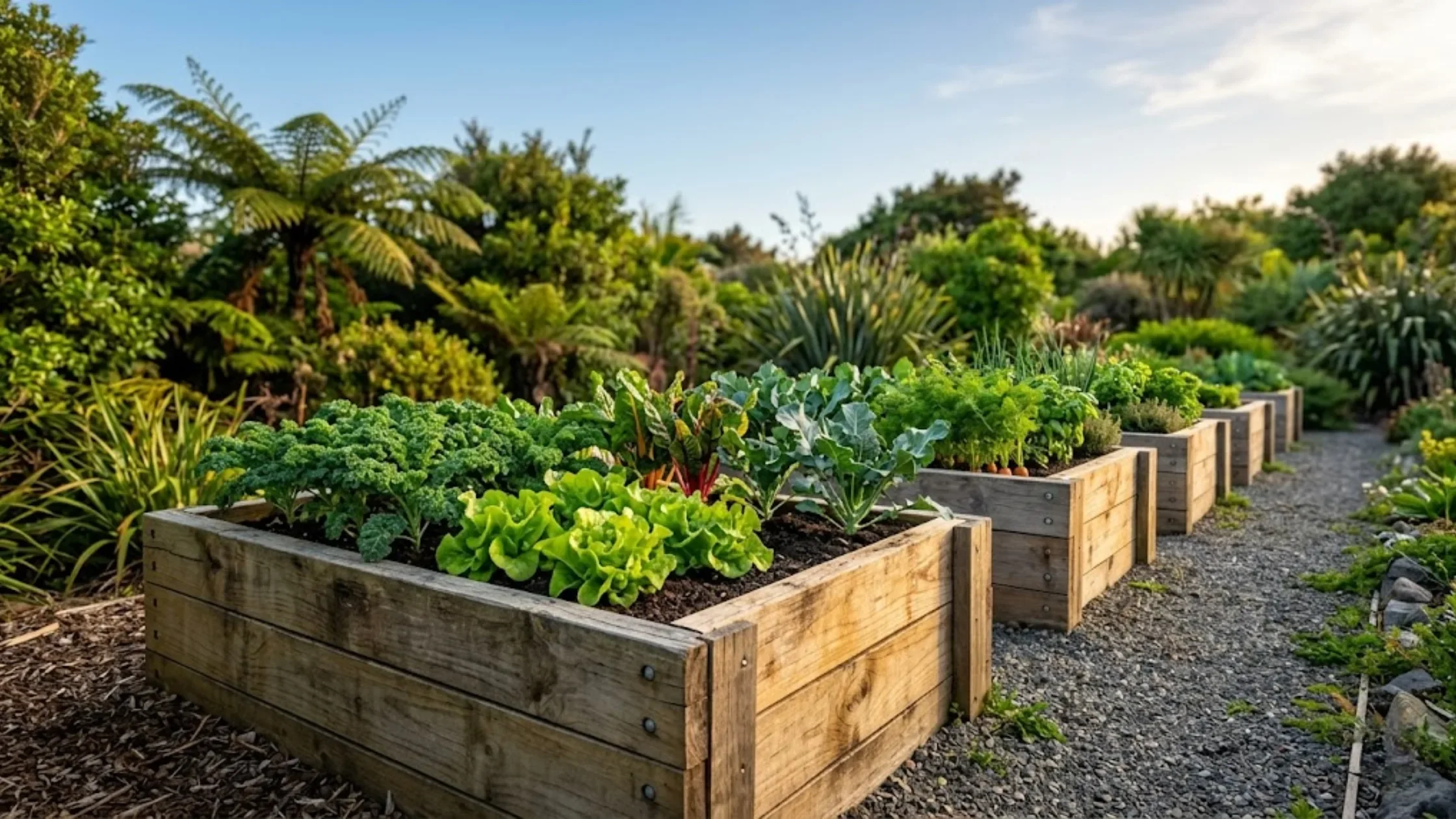
The Forever Garden
Have you ever walked out to your garden after a long, hot New Zealand summer only to find your favourite plastic planter has snapped like a dry biscuit? It is a common frustration for many Kiwi gardeners. You spend your hard-earned money on a container, only for the sun and wind to turn it into brittle rubbish within a few seasons. If you are looking for a way to stop this cycle and create a garden that grows more beautiful with age, the answer lies in nature itself.
When we talk about timber planter boxes, we aren't just talking about a place to put dirt. We are talking about a long-term investment for your home. At Plankville, we believe that your garden deserves a foundation that is as strong as the trees themselves. Choosing between wood and plastic is about more than just looks; it is about how long your garden will thrive and how much you are helping the earth.
Key Takeaways
Timber lasts longer because it handles New Zealand’s harsh U.V. rays better than plastic.
Natural insulation in wood keeps plant roots at the right temperature all year round.
Strength and stability mean timber boxes won't bulge or snap under the weight of wet soil.
Eco-friendly choice as timber is renewable, biodegradable, and looks better as it ages.
Cost-effective in the long run because you won't need to replace your containers every two years.
The Problem with Plastic in the NZ Sun
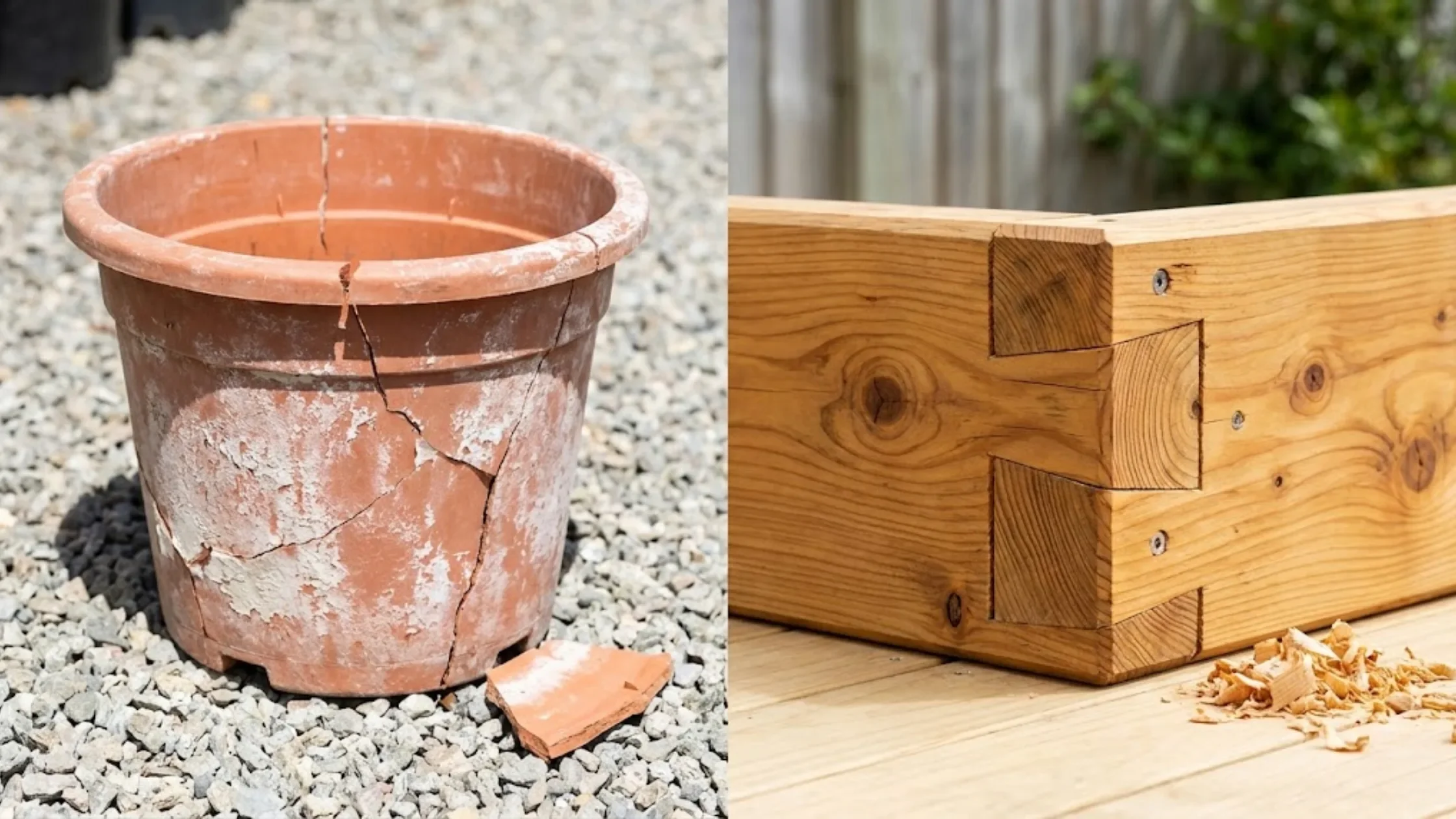
New Zealand has very strong sunlight. Our U.V. rays are much harsher than in many other parts of the world. Plastic is a material made from oils and chemicals. Even when plastic is made to be heavy-duty, the sun eventually wins. Over time, the heat makes the plastic expand and contract. This causes tiny cracks that you might not see at first. Eventually, those cracks get bigger, and the whole box falls apart.
When a plastic box breaks, it cannot be fixed. It usually ends up in a landfill, where it stays for hundreds of years. This is why many eco-conscious buyers are moving away from throwaway garden containers. They want something that stands up to the Wellington wind and the Auckland sun without crumbling into pieces.
Why Solid Timber is the Gold Standard
Solid timber is different. Think about a giant tree in the forest. It stands through storms, heat, and cold for decades. When we craft durable planter boxes from high-quality wood like macrocarpa, we are giving you that same strength.
Timber is a natural material that breathes. This is a secret weapon for your plants. Unlike plastic, which traps heat and can cook the roots of your flowers on a hot day, wood acts like a natural insulator. It keeps the soil cool in the summer and warm in the winter. This means your plants don't just survive; they truly thrive.
Comparing Durability: Wood vs Plastic
When we look at wooden vs plastic planters, the biggest difference is how they handle weight. Wet soil is very heavy. A large garden bed can hold hundreds of kilos of earth. Plastic is flexible, which sounds good, but under pressure, it often bows or bulges out at the sides. Once plastic starts to bend, it is only a matter of time before it snaps.
Timber is rigid and strong. A well-built timber box from Plankville uses thick planks that stay straight and true. Because we focus on quality wood products, our boxes are designed to hold that weight for many years. Even if the wood starts to show its age, it often looks even better. It develops a beautiful silver-grey patina that fits perfectly into a natural garden setting.
The Sustainability Factor: A Win for the Planet
If you care about the environment, timber is the clear winner. Plastic is made from fossil fuels and requires a lot of energy to create. When it dies, it leaves behind micro-plastics that hurt our soil and water.
Timber is a renewable resource. It comes from the earth and can eventually go back to the earth. By choosing timber planter boxes, you are supporting a cycle that is good for New Zealand. At Plankville, we are passionate about using local resources. We don't want to see more plastic floating in our oceans; we want to see more trees growing in our backyards.
Making the Right Choice for Your Garden
It can be tempting to grab a cheap plastic tub from a big-box store. It seems easy and light. But think about the cost per year. If a plastic tub costs $30 but lasts two years, and a solid timber box costs $150 but lasts fifteen years, which one is actually cheaper? The timber box isn't just a better product; it's a smarter way to spend your money.
Plus, there is the feeling of quality. When you touch a hand-crafted wooden box, you can feel the heart that went into making it. You can see the grain of the wood and smell the fresh timber. It turns a simple garden into a beautiful outdoor living space. Whether you are growing crunchy carrots or beautiful roses, they deserve a home that won't fall apart on them.
Why Plankville is Different
We don't just sell boxes; we share a piece of our craft. We understand the New Zealand climate because we live and work here. We know exactly what it takes to make garden containers NZ gardeners can rely on. If you want to learn more about how to set up your garden, you can check out our raised garden bed timber guide. It's full of tips to help you get started.
We invite you to stop buying temporary solutions and start building a garden that lasts. Your plants will thank you, your backyard will look better, and you’ll be doing your part for a greener New Zealand.
Ready to Upgrade Your Garden?
Don't let another summer ruin your garden containers. Choose the strength, beauty, and sustainability of solid timber. At Plankville, we are ready to help you find the perfect size and style for your outdoor space.
FREQUENTLY ASKED QUESTIONS
-
Yes, timber planter boxes are significantly better for the environment because they are made from a renewable, natural resource. Unlike plastic, which is derived from fossil fuels and can take hundreds of years to break down in a landfill, wood is biodegradable and can be composted or repurposed at the end of its long life. Furthermore, high-quality timber like that used by Plankville is often sourced locally in New Zealand, which reduces the carbon footprint associated with shipping heavy plastic goods from overseas. Choosing timber helps reduce the accumulation of micro-plastics in our soil and oceans, making it the superior choice for any eco-conscious gardener.
-
A well-constructed wooden planter box made from durable species like macrocarpa or treated pine can last anywhere from 10 to 20 years, and often even longer if properly maintained. In the unique New Zealand climate, where U.V. rays are exceptionally strong, timber outperforms plastic which often becomes brittle and cracks within 2 to 3 years. The thickness of the timber used by Plankville provides a structural integrity that withstands the heaving of wet soil and the seasonal temperature changes. While the wood may silver over time, its core remains strong, ensuring that your garden remains intact and productive for a decade or more without needing a replacement.
-
Plants generally grow much better in wooden containers because wood is a natural insulator. In the height of a New Zealand summer, plastic containers can absorb heat and cook the delicate root systems of your plants, leading to wilting or stunted growth. Timber has a natural thermal mass that keeps the soil temperature more consistent, providing a cooler environment in summer and a warmer one in winter. Additionally, wood is slightly porous, allowing for better air circulation and drainage than non-breathable plastic. This oxygen flow to the roots prevents rot and encourages a much healthier, more robust root system, resulting in bigger flowers and better vegetable yields.
-
Macrocarpa is one of the safest and most popular choices for growing vegetables in New Zealand. Because it is naturally resistant to rot and insects, it does not require the heavy chemical treatments (like CCA) that some other softwoods need to survive outdoors. This means there is no risk of harmful chemicals leaching into your soil and being absorbed by your home-grown food. At Plankville, we specialise in macrocarpa because it offers the perfect balance of incredible durability and natural purity. It gives gardeners peace of mind that their organic vegetables are growing in a clean, safe environment that will last for many years without any toxic additives.
-
Plastic garden pots crack because they are susceptible to photo-degradation caused by ultraviolet (U.V.) light. Over time, the sun’s rays break down the chemical bonds in the plastic, making it lose its flexibility. Once the plastic becomes brittle, the pressure from the soil inside or a simple bump from a garden tool can cause it to shatter. In New Zealand, our high U.V. levels accelerate this process significantly. Even U.V. stabilised plastics eventually succumb to the cycle of expanding in the heat and contracting in the cold, leading to structural failure. Timber does not suffer from this type of chemical breakdown, making it a far more reliable material.
-
Maintaining a timber planter box is very simple and helps extend its life even further. While high-quality wood like macrocarpa can be left to weather naturally to a beautiful silver-grey, you can also apply a food-safe oil or stain every couple of years to maintain its original colour and add an extra layer of moisture protection. It is also a good idea to ensure the box has proper drainage holes and is slightly elevated off the ground (on feet or bricks) to allow air to circulate underneath. Cleaning out the old soil every few seasons and checking the joinery ensures the box stays in top condition. This minimal effort pays off with decades of service.
-
Initially, wooden planters have a higher upfront cost than cheap plastic alternatives because they are made from premium, natural materials and require skilled craftsmanship. However, when you look at the total cost of ownership, timber is much cheaper. A cheap plastic tub may need to be replaced every 2 years as it cracks and fades. Over a 10-year period, you might buy five plastic tubs, whereas one solid timber box from Plankville would still be standing strong. When you factor in the value of your time, the cost of new soil, and the environmental impact of waste, the durable timber option is the most financially sensible choice.
-
One of the greatest advantages of timber over plastic is the ability to create custom sizes and shapes. Plastic pots are mass-produced in factory moulds, meaning you are stuck with whatever sizes are on the shelf. Because Plankville works directly with the wood, we can create timber planter boxes that fit perfectly into your specific garden nook, balcony, or courtyard. Whether you need an extra-long bed for a narrow walkway or a tall box to prevent back strain, timber allows for a level of personalisation that plastic simply cannot match. This ensures you maximise your growing space and achieve the exact look you want for your home.
-
Yes, the type of wood is very important for the longevity of your planter. Softwoods like untreated pine will rot very quickly when in constant contact with moist soil, often failing within just a year or two. To get a truly durable planter box, you need a heartwood or a naturally resistant species like macrocarpa or cedar. These woods contain natural oils and tannins that protect them from fungus and bugs. Plankville selects timber that is specifically suited for the New Zealand outdoors, ensuring that the material is thick enough to resist warping and strong enough to handle the weight of the garden without needing chemical help.
-
Wooden planters often provide superior drainage compared to plastic. Many plastic pots have a single, small hole in the centre that can easily become blocked by a single stone or root, leading to waterlogging and root rot. Timber boxes are usually constructed with small gaps between the base planks or multiple large drainage holes, allowing water to exit evenly across the bottom. Because wood is a natural material, it also helps regulate moisture levels more effectively. At Plankville, we design our boxes with the health of your plants in mind, ensuring that excess water can always escape, which is vital for surviving New Zealand's occasionally heavy rainfall.
