
Macrocarpa Garden Beds NZ: Why Kiwi Gardeners Are Making the Switch
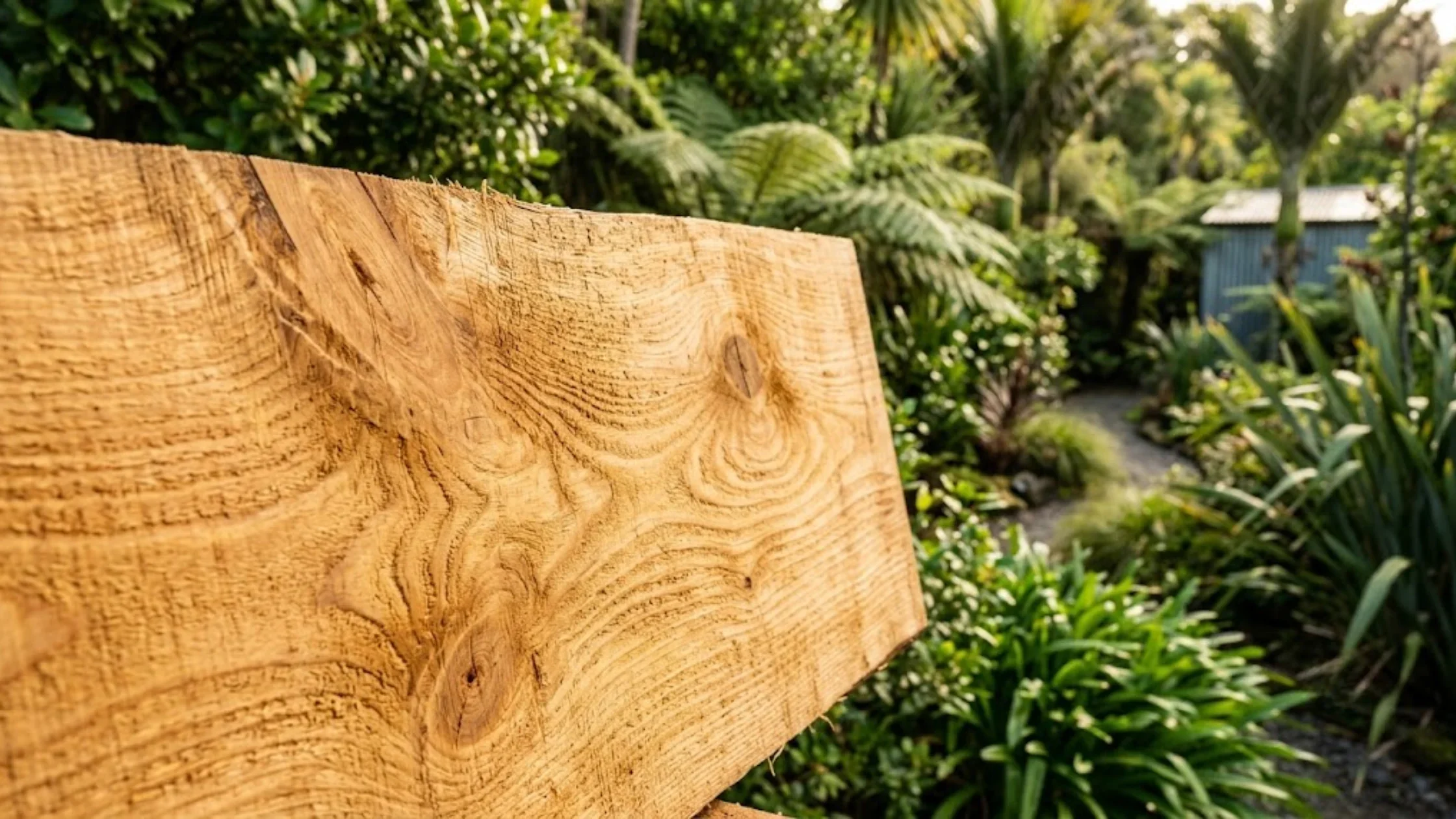
Macrocarpa garden beds are one of the best choices for New Zealand gardeners who want a long-lasting, chemical-free, and locally sourced timber. This native-grown wood resists rot and insects naturally, making it safe for vegetable patches and ornamental beds without the need for harsh chemical treatments.
Whether you are putting in a simple raised bed for your tomatoes or planning a full landscaping overhaul across your backyard, the timber you choose matters more than most people realise. It affects how long your beds last, what goes into your soil, and how much maintenance you are signing yourself up for. Macrocarpa keeps coming up as the standout option for good reason, and this article breaks down exactly why.
Key Takeaways
Macrocarpa garden beds NZ gardeners prefer offer natural rot resistance without chemical treatments, making them safe for food growing.
Compared to treated pine, macrocarpa offers better aesthetics, comparable lifespan, and no soil contamination risk.
Locally sourced macrocarpa supports New Zealand growers and keeps the carbon footprint of your project low.
With minimal maintenance, macrocarpa beds last 10 to 15 years in-ground and longer when drainage is managed well.
The higher upfront cost is offset by reduced maintenance, longer service life, and no need for chemical re-treatment.
Macrocarpa is versatile enough to use across garden beds, retaining walls, furniture, and structural screening in the same outdoor space.
Why Macrocarpa Works So Well for Garden Beds
Macrocarpa (Cupressus macrocarpa), also known as Monterey Cypress, is a softwood originally from California that has adapted remarkably well to New Zealand's climate. It has been grown here for well over a century, and local sawmills now process it widely across the country.
What makes it so well suited to garden beds specifically comes down to its natural chemistry. Macrocarpa contains oils and resins that act as built-in preservatives, helping the timber resist fungal decay, moisture damage, and insect attack without any added chemical treatment. That is a significant advantage when you are building something that sits in direct contact with soil, gets watered regularly, and is expected to stay structurally sound for years.
For vegetable gardens in particular, chemical-free timber is not just a nice-to-have. It is a genuine health consideration. Treated pine commonly used in outdoor construction often carries CCA (copper, chrome, arsenic) or ACQ treatments. While regulations have shifted over the years, the concern about chemical leaching into soil where food is grown remains valid, especially in organic and kitchen gardens. Macrocarpa sidesteps that concern entirely.
You can read more about why macrocarpa popular nz outdoor timber in Plankville's detailed breakdown of what sets it apart from other local options.
Macrocarpa vs Treated Pine: A Practical Comparison
This is the comparison most Kiwi gardeners and DIYers end up making. Treated pine is cheaper upfront and widely available at hardware stores across New Zealand. But the full picture looks a bit different when you factor in the whole lifespan of your garden bed.

The honest answer is that treated pine can perform well in non-food applications, but for raised vegetable beds, macrocarpa wins on safety, aesthetics, and long-term value. The macrocarpa vs pine outdoor durability comparison goes deeper into how each performs under real NZ conditions.
For anyone building a builders guide macrocarpa non structural projects, it is worth noting that macrocarpa is not structural timber, so its sweet spot is exactly this kind of project: raised beds, edging, retaining borders, and decorative landscaping elements.
How Long Do Macrocarpa Garden Beds Actually Last?
This is a fair question and deserves a straight answer. When macrocarpa is used in-ground, meaning the timber is in direct contact with soil, you can reasonably expect 10 to 15 years of serviceable life with minimal maintenance. In applications where the timber is elevated or has good drainage beneath it, that lifespan extends further, sometimes well beyond 20 years.
A few factors influence how long your beds will last:
Drainage: Sitting in constantly wet soil accelerates decay even in naturally durable timbers. Raising beds on gravel or ensuring drainage underneath makes a noticeable difference.
Thickness: Using 50mm or thicker boards gives you more material to work with as the outer surface weathers over time.
Finish: Leaving macrocarpa untreated lets it age naturally to a soft silver-grey patina. Applying a natural oil or exterior-grade sealer once a year preserves the golden colour if you prefer that look.
Cut quality: Rough-sawn macrocarpa actually tends to hold up better outdoors than dressed timber, as the surface texture allows moisture to move through rather than sit.
The macrocarpa outdoor furniture durability care article covers maintenance in more detail, and many of the same principles apply to garden beds.

Sustainability: Why Local Matters Here
One of the strongest arguments for macrocarpa garden beds in NZ is where the timber comes from. Macrocarpa is grown and milled domestically, which keeps the supply chain short and the carbon footprint low. Choosing local timber over imported hardwoods or heavily processed products supports New Zealand growers and sawmills while reducing emissions associated with long-distance freight.
Macrocarpa also grows well on New Zealand farms, often as shelter belts and boundary plantings. When these trees are eventually harvested, the timber gets a productive second life rather than being chipped or burned. That kind of circular use appeals to eco-minded Kiwis who want their garden projects to align with their values.
Plankville sources macrocarpa from nearby farms and sawmills, which means better traceability and less waste at every stage of the process. You can find out more about their sourcing approach on the about page.
If you are interested in seeing the full range of what is available, the wood products section shows you what is currently in stock, from standard timber to more unique pieces.
Getting Creative: More Than Just Garden Beds
Macrocarpa is a versatile timber, and once you start working with it you will likely find uses beyond garden beds. Many Kiwis use it across a range of outdoor projects:
Raised vegetable beds: The most popular application, particularly for organic and food-safe gardens.
Retaining wall timbers: Handles soil pressure and moisture well.
Garden edging and borders: Clean, natural lines that complement plantings.
Outdoor benches and seating: Naturally weather-resistant, no paint needed.
Compost bin surrounds: A chemical-free option that will not contaminate your compost.
Pergola framing and screening: Adds warmth and texture in outdoor living areas.
For custom outdoor builds, the outdoor garden furniture range at Plankville gives you a clear idea of what is possible with this timber when it is properly crafted.
The flitches slabs more section is particularly useful if you are planning something a bit different, like a live-edge planter surround or a wide slab bench seat alongside your garden beds.

Budgeting Realistically for Macrocarpa Garden Beds
Macrocarpa does cost more than treated pine at the point of purchase. That is simply true and worth being upfront about. Rough-sawn boards in standard dimensions typically run higher per metre than equivalent treated pine from a building supply chain.
However, the cost calculation shifts when you look at the full lifespan. You are not paying for chemical treatment, and you are not likely to be pulling out and replacing rotted boards after five or six years. You are also not paying to re-seal or re-treat the timber regularly to keep it performing.
For those who want to make the most of their budget, buying rough-sawn slabs or off-cuts directly from a timber supplier can bring the cost down significantly. Plankville's timber range includes options suited to garden bed construction at various price points.
If you are looking for a gift for someone who loves gardening, the gift vouchers plankville option lets them choose their own timber for a project they have in mind.
Things to Know
Macrocarpa is not a structural timber and should not be used in load-bearing applications, but it is excellent for garden beds, furniture, and landscaping.
The natural oils in macrocarpa give it a distinctive scent when freshly cut that fades over time, it does not affect soil or plant growth.
Macrocarpa weathers to a silver-grey if left untreated outdoors, which many Kiwi gardeners actually prefer for its natural look.
Boards thicker than 40mm perform significantly better in-ground than thinner stock, especially in wetter regions of New Zealand.
Not all macrocarpa is equal in quality. Sourcing from a reputable supplier means you get properly dried, well-graded timber that will last.
If you want to see examples of macrocarpa in real projects before committing, the plankville in action gallery is a useful starting point.
Ready to Start Your Macrocarpa Garden Bed Project?
The best next step is to measure out your garden bed dimensions, decide on your board thickness (50mm is a solid starting point for most raised beds), and get in touch with a supplier who can advise on the right cut and volume for your project. Plankville's team is easy to reach and happy to discuss custom sizing, quantities, and what is currently available. Head to the our services page to see what they offer, or go straight to contact us to start the conversation.

FREQUENTLY ASKED QUESTIONS
-
Yes, macrocarpa is completely safe for vegetable gardens because it contains no chemical treatments or toxic preservatives.
Unlike treated pine, which may contain copper, chrome, or arsenic-based compounds, macrocarpa relies entirely on its natural oils for durability. This makes it one of the preferred choices for organic gardeners and anyone growing food for their family.
-
For most raised garden beds, boards between 40mm and 50mm thick strike the best balance between durability and cost.
Thicker boards last longer in-ground and hold their shape better under soil pressure and moisture. If your beds are going to be tall, say 400mm or more, using 50mm stock gives you better structural integrity over time.
-
No, macrocarpa does not need to be treated or sealed to perform well outdoors.
Its natural resins provide built-in protection against rot and insects. You can apply a natural oil or exterior sealer if you want to maintain the warm golden colour, but leaving it untreated simply means it will age gracefully to a silver-grey finish instead.
-
Plankville is a reputable New Zealand supplier offering macrocarpa in a range of cuts, sizes, and formats suitable for garden bed construction.
You can browse their stock online or reach out directly to discuss your specific requirements. Buying from a local specialist often means better-quality dried timber compared to what you find at general hardware stores.
-
Macrocarpa boards are lighter, easier to work with, and chemical-free compared to treated hardwood sleepers, making them better suited to food gardens.
Railway sleepers and treated hardwood sleepers can contain heavy chemical loads from their original treatment. Macrocarpa gives you a cleaner, more workable option with a look that suits both rustic and contemporary garden styles.
The Bottom Line on Macrocarpa Garden Beds NZ
If you are a New Zealand gardener weighing up your timber options, macrocarpa stands out as the choice that delivers on all the things that matter most: safety around food, natural durability, local sourcing, and good looks that only improve with age. It costs a little more upfront, but the long-term value, especially for kitchen gardens and permanent raised beds, is clear.
Start by working out your bed dimensions, then reach out to a specialist timber supplier who can help you get the right cut and quantity for your project. The sooner you get your macrocarpa beds in the ground, the sooner you can get growing.
