
Best Timber for Outdoor Structures in Coastal Nelson Conditions
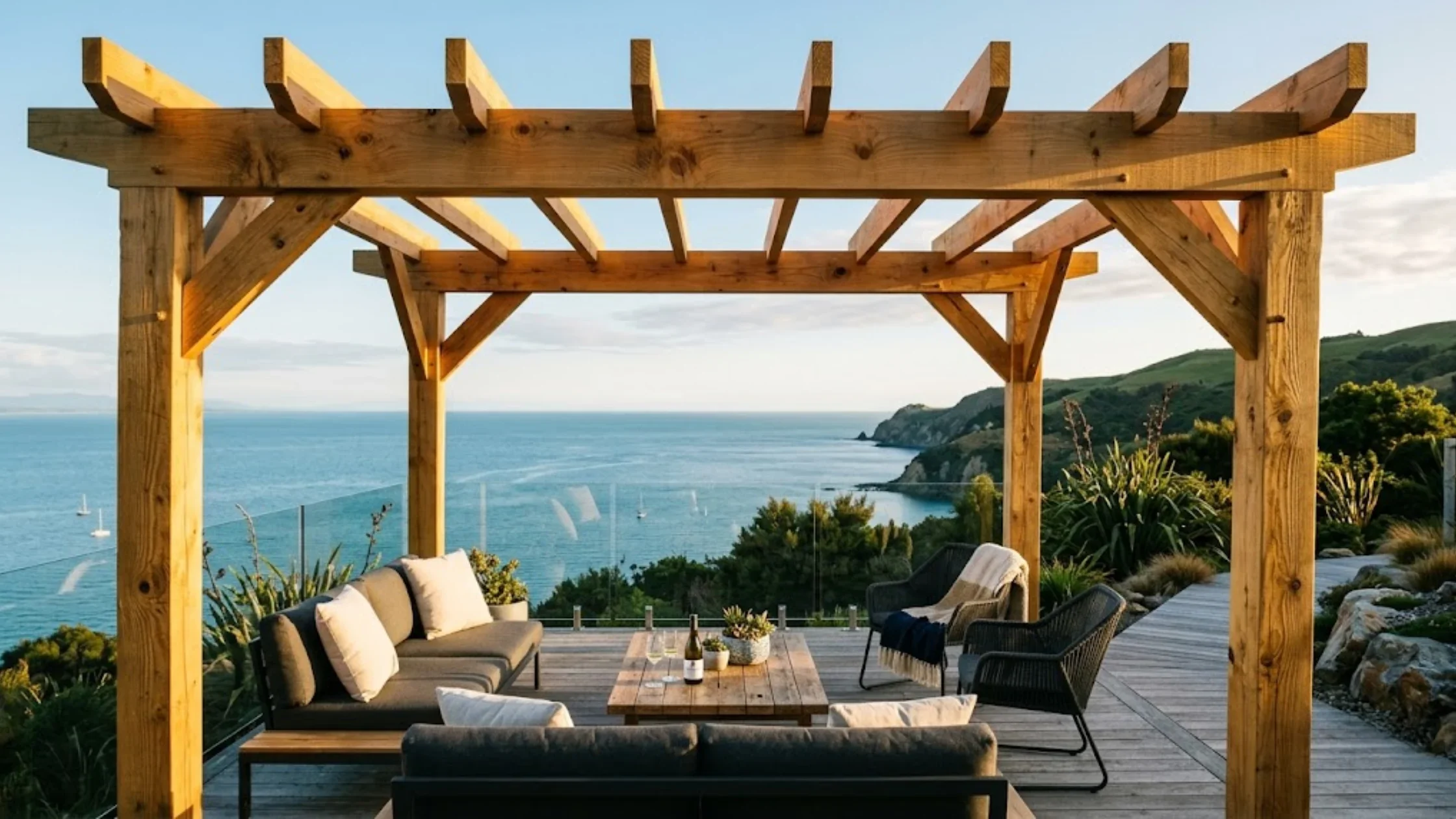
Best Timber for Outdoor Structures in Coastal NZ
Building in Nelson is a dream, but the weather can be a nightmare for your wood. Between the salty sea air and the strongest sun in New Zealand, your garden shed or pergola faces a daily battle. If you choose the wrong material, your beautiful project could end up grey, cracked, or even rotting in just a few years. You deserve a structure that looks as good as the Nelson coast, and that starts with picking the right timber.
At Plankville, we see this struggle every day. People want the natural beauty of wood, but they don't want the constant worry of maintenance or the nasty chemicals found in commonly treated pine. The good news is that certain timbers are built by nature to survive our unique climate. By understanding how salt, sun, and wind affect different wood types, you can build something that lasts for generations.
Key Takeaways
Nelson Sun: The high UV is the biggest threat to your timber's looks and strength.
Coastal Protection: Salt air requires naturally oily timbers and stainless steel hardware.
Macrocarpa: Best for heavy-duty, natural, and chemical-free structures.
Cedar: Best for stability, elegance, and premium weather resistance.
Maintenance: Always use pigmented oils to act as sunscreen for your wood.
Local Expertise: Milling local timber ensures it is fit for the Nelson climate.
Why Nelson Weather is Hard on Your Wood
Nelson is famous for being the sunshine capital. While we love those long summer days, that intense UV light is the number one enemy of timber. UV rays act like a slow-moving fire, breaking down the natural glue (called lignin) that holds wood fibres together. This is why wood turns that silvery-grey colour and starts to check or develop small cracks. In the high-UV environment of the Tasman region, this process happens much faster than in other parts of the world.
Then there is the salt air. If you live anywhere near the coast, the wind carries tiny salt crystals that land on your timber. Salt is hydroscopic, which means it loves to suck moisture out of the air. This keeps the wood damp for longer, which can lead to rot if the timber isn't naturally resistant. When you combine this with our heavy coastal winds, your outdoor structures are essentially being sandblasted by salt and sun all year round.
To survive this, you need more than just standard timber. You need a species with natural oils and high density that can stand up to the elements without needing a coat of heavy chemicals. This is where high-quality timber selection becomes your best friend.
Macrocarpa: The King of the Kiwi Backyard
Macrocarpa is a legendary choice for New Zealanders, and for a very good reason. It is a chunky, strong wood that feels right at home in a rugged coastal landscape. One of the biggest benefits of Macrocarpa is that its heartwood is naturally durable. This means it doesn't need the green chemical treatments (like CCA) that you see on standard pine. If you are building a garden structure where kids will play or where you are growing food, Macrocarpa is the safest and most natural choice.
In a coastal setting like Nelson, Macrocarpa performs like a champ. It is a dense wood, which helps it resist the drying effects of the sun better than softer woods. Because it has its own natural resins, it acts like its own preservative. Over time, if you leave it alone, it will weather to a very stylish silver-grey that looks beautiful against the blue of the Tasman Bay. However, if you want to keep that warm, golden glow, a simple coat of UV-resistant oil will do the trick.
For structures like pergolas, gazebos, or heavy-duty sheds, Macrocarpa provides the heft you need. It won't twist or warp as easily as cheaper options, even when the Nelson winds are howling. It is the ultimate set and forget timber for people who want a rustic, high-quality look that belongs in the New Zealand landscape.
Western Red Cedar: The Gold Standard for Stability
If Macrocarpa is the strongman of the timber world, Western Red Cedar is the elegant athlete. It is famous all over the world for being one of the most stable and weather-resistant woods on the planet. For a coastal home in Nelson, Cedar is often the Gold Standard. Why? Because it hardly moves. While other woods might swell when it rains and shrink when the sun hits, Cedar stays flat and straight.
This stability is vital for things like decorative screens, gates, or cladding. You don't want your gate to stop closing because the wood moved in the heat. Cedar also has a secret weapon: natural tannins. These are chemicals inside the wood that protect it from rot, insects, and even the corrosive effects of salt air. It is much lighter than Macrocarpa, which makes it easier to work with if you are doing a DIY project, yet it offers incredible longevity.
When comparing Macrocarpa vs Cedar, it usually comes down to the look and the budget. Cedar has a more refined, straight grain and a famous, sweet aroma. It handles the Nelson sun beautifully, though like all wood, it needs a bit of love to keep its colour. Because it is so stable, any oil or stain you put on it will last longer than it would on other timbers.
Lawson Cypress: The Chemical-Free Workhorse
Another fantastic option for the Nelson-Tasman region is Lawson Cypress. This timber is a bit of a hidden gem. It contains a natural oil called cypressene, which acts as a built-in shield against moisture and bugs. Like Macrocarpa, it is an eco-friendly choice because it doesn't require industrial chemical pressure-treating to stay strong outdoors.
Lawson Cypress has a lovely, light golden tone that can really brighten up a shaded corner of your garden. It is quite dense, which makes it perfect for things like raised garden beds or the posts of a timber structure. In the coastal wind, it holds its shape well and offers a clean, modern look. If you are worried about the green look of treated timber but want something more affordable than Cedar, Lawson Cypress is a brilliant middle ground.

How to Make Your Timber Last Even Longer
Even the best timber in the world needs a little help when it's living on the coast. The secret to a long-lasting deck or pergola in Nelson is all about the finish and the hardware.
Use Stainless Steel: In coastal areas, standard nails and screws will rust and leave ugly black streaks on your wood. Always use stainless steel fixings. They won't react with the natural oils in the timber and will stay strong forever.
Choose Pigmented Oils: Clear oils might look nice for a month, but they offer almost zero protection against the sun. Think of clear oil like baby oil—it actually makes the sun cook the wood faster. Instead, use a tinted or pigmented oil. The tiny bits of colour act like a sunscreen, blocking the UV rays from reaching the wood fibres.
Keep it Off the Ground: Even durable timbers like Macrocarpa will last much longer if they aren't sitting in wet dirt. Use steel stirrups or concrete pads to keep your timber posts dry. This simple step can add 10 or 20 years to the life of your structure.
The Plankville Difference: Local Knowledge for Local Projects
When you buy timber from a big-box store, you are often getting wood that was grown and milled somewhere else, designed for a general climate. But Nelson isn't a general climate. It is a place of extremes.
At Plankville, we mill our own timber right here in Richmond. We know the local trees and we know exactly how they behave in our sun and salt. When you talk to us, you aren't just buying wood; you are getting decades of experience. We can tell you which log will make the best beam for your pergola and which cut of Cedar will look best on your seaside home. We believe in building things that last, using sustainable, locally-grown timber that respects the environment.
Are You Ready to Build Something Beautiful?
Don't let the Nelson sun and salt ruin your outdoor dreams. Whether you are planning a new deck, a sturdy garden shed, or a beautiful pergola to enjoy the summer evenings, the right timber makes all the difference.
Contact the Plankville team today or come visit us at our yard in Richmond. Let’s look at your plans together and find the perfect, locally-milled timber to bring your project to life. Your home deserves the best, and we are here to help you build it.
FREQUENTLY ASKED QUESTIONS
-
For the New Zealand climate, the best timbers are those with natural durability like Macrocarpa, Western Red Cedar, and Lawson Cypress. These species contain natural oils and resins that protect them from rot and insects without the need for heavy chemical treatments. While treated pine is common, specialty timbers offer better longevity, stability, and a more attractive, natural look for high-value projects.
-
Macrocarpa heartwood is rated as Class 3 durable. When used above the ground, such as in a pergola or fence, it can easily last 20 to 30 years. If used in direct contact with the ground, like a garden sleeper, you can expect 10 to 15 years. Because it is free from toxic chemicals, it is the gold standard for veggie gardens and areas where children and pets play, making it a very safe, eco-friendly choice.
-
Western Red Cedar is world-famous for its resistance to rot and moisture. It contains natural tannins that act as a preservative, making it one of the best choices for coastal environments like Nelson. While it won't rot easily, the salt and sun will eventually turn it a silver-grey colour if it isn't oiled. For the best results on the coast, use a UV-resistant oil to keep the wood supple and beautiful.
-
This process is called silvering. It is caused by UV radiation from the sun breaking down the lignin in the wood. In a high-sun area like Nelson/Tasman, this happens much faster. While some people love the rustic grey look, it can eventually lead to surface cracking. To stop this, you must apply a pigmented timber oil, which acts like a sunscreen and blocks the UV rays from damaging the wood fibres.
-
Yes, Macrocarpa is generally more cost-effective than Western Red Cedar. Macrocarpa is grown locally in New Zealand, often from old farm windbreaks, which keeps transport costs down and makes it a very sustainable choice. Cedar is often imported, which adds to the price. For large, heavy structures like pergolas, Macrocarpa offers a similar prestige look and durability but at a more budget-friendly price point.
-
Absolutely. Lawson Cypress is one of the best woods for garden beds. It contains a natural oil called cypressene that prevents rot and keeps bugs away. Because it doesn't need chemical pressure-treating (like the green H4 pine you see at stores), there is no risk of harmful chemicals leaching into your soil or your home-grown vegetables. It is a dense, hardy wood that will stay strong for many years.
-
While naturally durable timbers won't rot immediately without oil, the salt and sun will dry them out. This causes the wood to check or develop cracks. In a coastal environment, we highly recommend using a penetrating oil. This keeps the wood fibres flexible and prevents salt from soaking deep into the grain. Oiling your timber every 12-24 months will significantly extend the life and beauty of your project.
-
You should always use 304 or 316-grade stainless steel screws and fixings on the coast. Standard galvanized nails will eventually corrode in the salt air. More importantly, the natural tannins in timbers like Cedar and Macrocarpa can react with zinc or iron, causing permanent black streaks to run down your wood. Stainless steel is the only way to ensure your structure stays strong and looks clean for decades.
-
Locally milled timber from Plankville is often superior because it is selected specifically for our climate. Big-box stores usually sell mass-produced Radiata Pine which requires heavy chemical treatment to survive outdoors. Specialty timbers like Macrocarpa or Redwood are naturally tougher, more stable (less warping), and have a unique character and scent that industrial pine simply cannot match for high-end builds.
-
The best routine is a wash and recoat approach. Once a year, give your timber a gentle clean with soapy water to remove salt spray and dust. Once dry, apply a light coat of a high-quality, pigmented UV-resistant oil. Avoid film-forming paints or varnishes, as the intense Nelson sun can cause them to peel and bubble. Penetrating oils are much easier to maintain because they soak in and don't require heavy sanding.
