What Is Specialty Wood? A Guide for NZ Homeowners & Makers
Picture yourself walking into your backyard and feeling a piece of wood that's not just tough, but scarce, stunning, and crafted for something extraordinary. You've just entered the realm of specialty wood – a place where every grain has a tale to tell and every board turns into a part of something one-of-a-kind.
Whether you're making furniture to last for generations building a unique wooden bench, or just picking out the best wood for your garden shed knowing about specialty wood helps you choose better. In this guide, we'll tell you what specialty wood is why people value it how it's used in real life, and how Plankville provides high-quality timber and custom wood products right here in Aotearoa New Zealand.
Key Takeaways
Specialty wood is lumber that's scarcer, tougher, and more eye-catching than regular wood.
It's ideal to make custom furniture, build outdoor structures, and craft unique pieces.
New Zealand's specialty wood includes types like macrocarpa, redwood and cypress each with distinct traits.
Plankville sells high-quality NZ wood, slabs, flitches, and offers custom wood services to homeowners and craftspeople.
When you pick specialty wood, you get projects that stand the test of time and catch the eye, with each grain telling a tale.
Why Specialty Wood Matters to You
When people think about wood, they imagine regular construction pine or particle board. These work fine for basic needs, but what if you want something more – wood with character, that holds up in bad weather, and even gets people talking when they visit your home?
That's where specialty wood comes in.
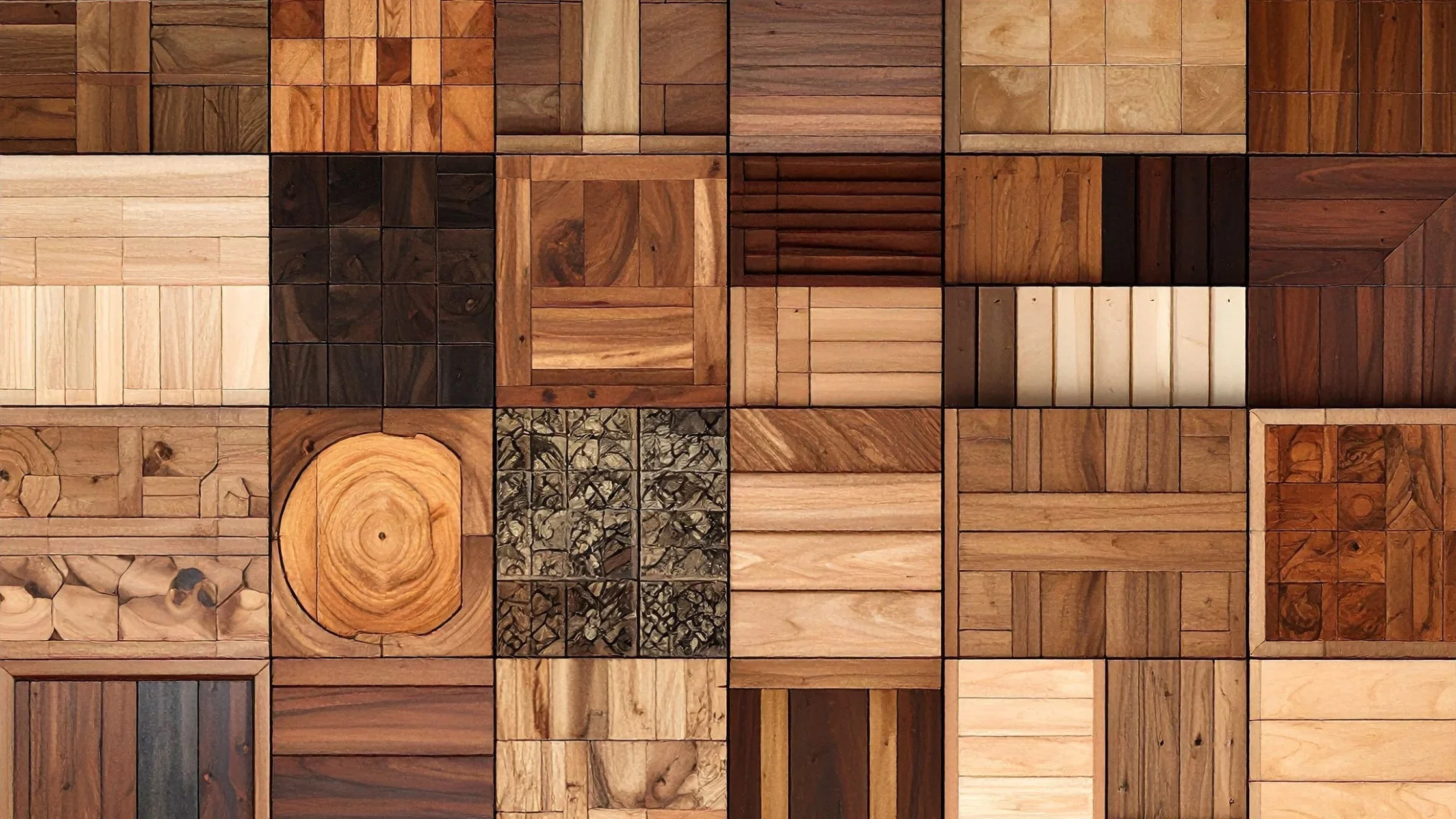
Specialty wood means high‑value timber that's harder to find and more distinct than regular construction wood. It often comes from trees that grow slower, have prettier grain patterns, or last longer making them ideal for furniture, cabinets, live‑edge tables, floors, and custom projects.
For Kiwi homeowners and DIY enthusiasts, specialty wood is a smart and inspiring option. It adds warmth, durability, and elegance to projects ranging from bespoke furniture to outdoor constructions. Buying local wood also backs sustainable forestry and New Zealand craftsmanship.
What Makes Wood "Specialty"?
1. Scarcity and Uniqueness
Specialty timber stands out from regular wood. It comes from rare tree types or unique cuts. Examples include:
Macrocarpa with its rich amber hues
Redwood slabs showcasing deep grain patterns
Blackwood featuring striking color differences
Every board is unique – you won't find two that look the same, which makes them perfect for projects that stand out.
2. Tough by Nature
Many special woods can resist rot, bugs, and wear on their own. This means you can use them outside or in busy areas without harsh chemicals. Some types even meet New Zealand building standards for toughness when used right.
This natural strength is a big reason why people love special wood for furniture, decks, garden boxes, and buildings like sheds and playhouses.
3. Stunning Patterns and Feel
Specialty wood often shows eye-catching grain patterns and colors that make finished products look amazing. Whether you're a pro maker or a DIY fan, using timber with rich visual appeal can boost your craftsmanship.
How Kiwis Use Specialty Wood in Actual Projects
Specialty wood isn't just a concept – people use it right here in New Zealand. Here's how Kiwi homeowners and makers bring it to life:
Custom Furniture & Natural Edge Creations
Natural edge slabs and flitches – which keep the tree's original shape – work great for:
Dining tables
Coffee tables
Benches
Feature pieces
At Plankville, you can check out a huge range of these slabs and flitches that show off NZ redwood, macrocarpa and other one-of-a-kind timber types. Each piece is set to become the star of your home or workshop.
Garden Structures & Outdoor Builds
The toughness of specialty wood makes it ideal for outdoor living as well. Raised garden beds, planter boxes, pergolas, and outdoor seating made from timber that lasts bring a natural feel to outdoor areas.
If you like growing veggies or having family meals outside top-notch wood will handle NZ weather and keep looking good.
Bespoke Joinery & Carpentry Projects
From timber shelves and decorative wall panels to stair steps and custom cabinets unique wood lets creators and designers make items that work well and look great.
If you have a specific design in mind, Plankville's custom wood products and cutting skills mean you can get wood cut and ready just for your project.
What to Do Next
Now that you know what unique wood is and why it's important here's your next move:
👉 Check out Plankville's wood products and services to find the right wood for what you want to build:
Here's how Plankville can help you:
Quality NZ timber – we source and prepare it for big and small projects
Live edge flitches & slabs – you'll find unique pieces
Custom cuts & milling services – we shape timber to fit your needs
Support from real timber experts – we offer advice and guidance
Great wood makes great projects, whether you're an experienced maker or a curious homeowner.
📞 Got questions or want to order? Get in touch with Plankville.
FREQUENTLY ASKED QUESTIONS
-
Specialty wood has a use in furniture, feature pieces, cladding, decking, garden structures, and custom joinery because it lasts long and looks unique.
-
Specialty wood comes from certain species or cuts that you don't see often. It tends to last longer and often has a prettier grain than the wood used in building.
-
Yes. Many specialty types like macrocarpa and some cypresses can stand up to rot and weather on their own. This makes them great for outdoor use when you pick and install them the right way.
-
Wood experts like Plankville offer New Zealand-grown timber live edge slabs, custom cuts, and wood items. These are great for both DIY enthusiasts and professional craftspeople.
