
Protecting Your Investment: Best UV-Resistant Oils for the Nelson Sun
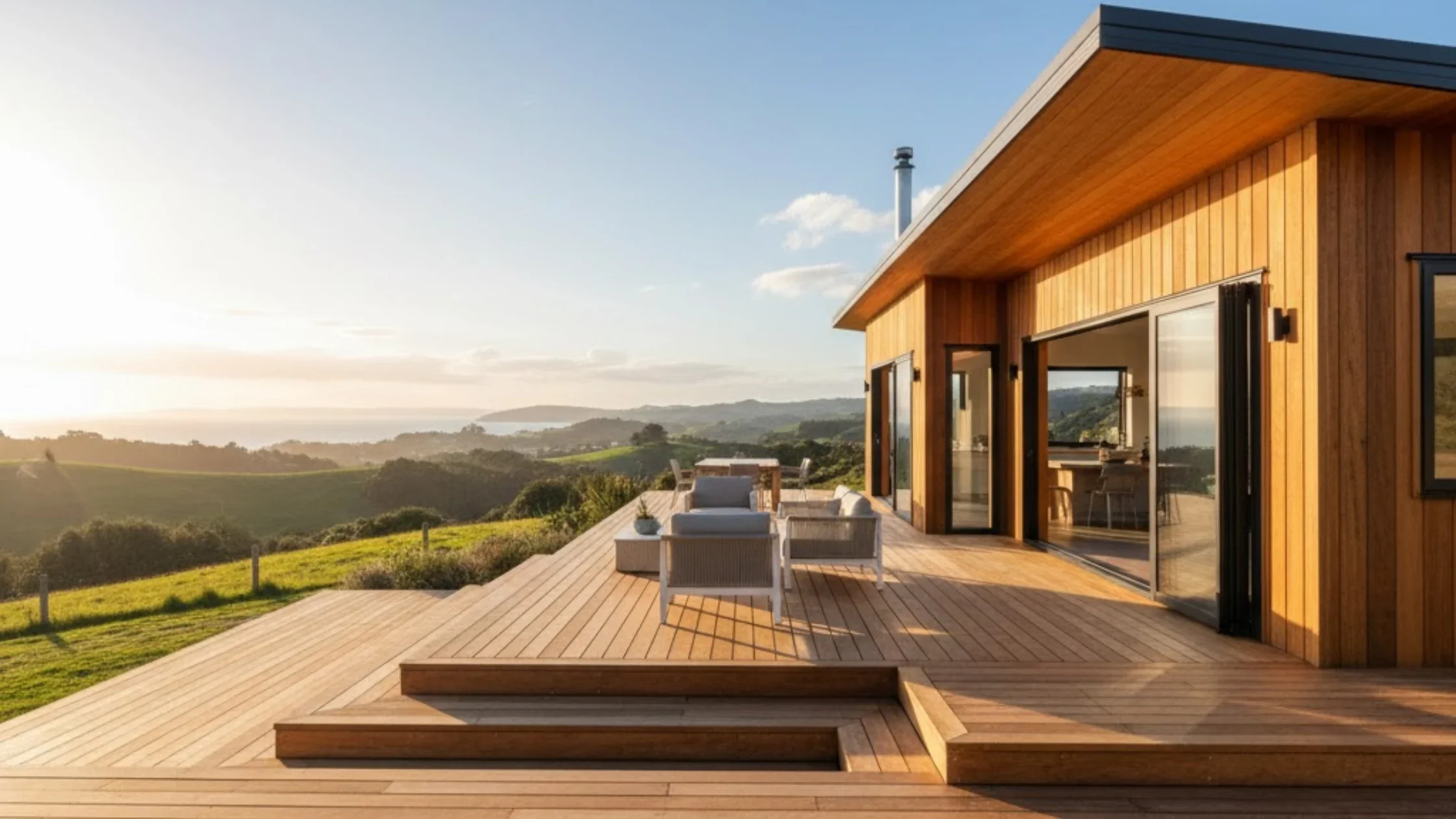
The Nelson/Tasman region is famous for being the sunshine capital of New Zealand. While we all love those golden hours, the same intense UV rays that make our summers so bright are incredibly tough on timber. If you have recently invested in high-quality wood for your home or project, you likely want to keep it looking as fresh as the day it was installed. Without the right protection, even the strongest timber will eventually turn a dull, weathered grey—a process known as "silvering."
At Plankville, we understand that your timber isn't just a building material; it’s an investment in your property’s value and aesthetic. Maintaining that rich, natural glow requires more than just a standard coat of stain. It requires a technical understanding of how UV radiation interacts with wood fibres and which specific oils are engineered to stand up to the Nelson sun. This guide will walk you through the science of wood protection and help you choose the best UV-resistant timber oils to keep your wood looking vibrant for years to come.
Key Takeaways
Nelson’s High UV: The region's high sun hours accelerate wood "silvering" and structural breakdown.
The Power of Pigment: Clear oils offer little protection; high-quality pigments act as "sunscreen" for your timber.
Maintenance is Key: Regular application of UV-resistant oils prevents cracking, warping, and fading.
Expert Choice: Selecting oils with high solids content ensures deeper penetration and longer-lasting results.
Understanding the "Silvering" Process
Many homeowners ask why their beautiful wood products begin to turn grey after just one or two summers. This silvering is caused by the breakdown of lignin—the natural glue that holds wood fibres together. When UV rays hit unprotected timber, they "burn" the lignin, causing it to degrade and wash away. This leaves behind the cellulose, which has a silvery-grey appearance.
While some people enjoy the rustic look of weathered wood, silvering is actually a sign of surface damage. Once the lignin is gone, the wood becomes more porous, making it prone to holding moisture, which can lead to warping, splitting, and even rot. For those in the Tasman district, where the sun is particularly harsh, choosing the right timber maintenance NZ strategy is the only way to stop this process in its tracks.

Why UV-Resistant Timber Oils are Essential
Not all oils are created equal. To fight back against the sun, you need an oil that offers both physical and chemical protection. The best UV-resistant timber oils contain high-quality trans-oxide pigments. These microscopic particles sit within the oil and reflect UV rays away from the wood surface, much like how a physical sunscreen protects your skin.
When you browse our timber selection, you’ll notice the depth of the natural grain. A high-quality oil enhances this beauty while providing a sacrificial layer. This means the sun wears down the oil instead of the wood. By using oils specifically formulated for high-UV regions, you ensure that the protection reaches deep into the grain, keeping the timber supple and preventing the dreaded "brittle" feel that comes with sun overexposure.
The Technical Edge: What to Look For
When selecting an oil for the Nelson climate, look for "High Solids" formulas. These products have a higher concentration of protective resins and pigments compared to cheaper, thinned-out alternatives. You also want to ensure the oil is "non-film forming." Unlike paints or heavy varnishes, these oils soak into the timber. This is crucial because it allows the wood to breathe. If moisture gets trapped under a film-forming coating in the hot Nelson sun, it will bubble and peel, creating a maintenance nightmare.
The most effective oils for our local environment often include added fungicides. Because our region can also experience humid spells, protecting against mould and mildew growth underneath the UV shield is vital for long-term health. Using a professional-grade UV-resistant oil means less time spent sanding and more time enjoying your outdoor spaces.
Creating a Maintenance Routine for Success
The secret to a beautiful deck or cladding isn't just the first coat; it’s the follow-up. In high-sun areas like Nelson and Tasman, we recommend a "wash and recoat" approach. Every 12 to 18 months, give your timber a gentle clean to remove dust and salt spray, then apply a fresh light coat of your chosen UV-resistant oil. This maintains the pigment levels and keeps the UV barrier strong.
By staying ahead of the weathering process, you avoid the need for aggressive sanding or chemical stripping. It’s a simple, proactive way to ensure your Plankville timber remains a highlight of your home. If you are unsure which specific oil matches your timber species, our team is always here to provide expert advice tailored to the local climate.
FREQUENTLY ASKED QUESTIONS
-
The best oils for high-UV regions like Nelson are high-solids, penetrating oils that contain trans-oxide pigments. These pigments act as a physical barrier against UV radiation. Unlike clear oils, which offer almost no sun protection, tinted oils reflect the rays that cause wood to turn grey and brittle. For the best results in New Zealand conditions, look for professional-grade brands specifically tested for high UV indices.
-
To prevent timber from silvering, you must apply a UV-resistant oil with added pigment. Silvering is caused by the sun's UV rays breaking down the wood's lignin. By applying a pigmented oil, you create a "sunscreen" layer that absorbs the radiation. Regular maintenance, typically every 12-24 months depending on exposure, is essential to replenish the protective pigments and keep the wood’s natural colour vibrant.
-
Generally, clear timber oils provide very little to no UV protection. While they might help water bead off the surface, they lack the pigments necessary to block sun damage. If you use a completely clear oil in a sunny area like Tasman, your wood will still turn grey relatively quickly. For true UV resistance, it is better to choose a "natural" tint that matches your wood species.
-
In the Nelson/Tasman region, it is best to inspect your timber every 12 months. Because we have the highest sun hours in New Zealand, the UV degradation is faster here. Most decks will benefit from a light maintenance coat every 12 to 18 months. You can tell it's time for a recoat when the water no longer beads on the surface or the colour starts to look slightly faded.
-
Timber oils are designed to penetrate deep into the wood fibres, keeping the timber flexible and allowing it to breathe. Stains often sit more on the surface and can sometimes form a film. For outdoor timber in high-heat areas, penetrating oils are usually preferred because they do not peel or flake off when the wood expands and contracts in the sun, making them much easier to maintain over time.
-
Yes, but you must prepare the surface first. If the wood has already turned grey (silvered), the dead fibres need to be removed using a wood cleaner or a light sand. Once the fresh, "live" wood is exposed, you can apply the UV-resistant oil. Applying oil directly over grey, weathered wood will not restore the colour and the oil will not be able to penetrate properly.
-
Nelson and Tasman frequently record the highest sunshine hours in New Zealand. More sunshine hours mean a higher cumulative dose of UV radiation. Additionally, New Zealand’s thin ozone layer and clear air allow more intense UV-B rays to reach the surface compared to many parts of the Northern Hemisphere. This accelerates the chemical breakdown of wood surfaces, requiring more robust protection.
-
Yes, UV-resistant oils help prevent cracking (checking). By keeping the wood fibres hydrated and preventing the sun from drying them out and making them brittle, the oil allows the wood to expand and contract naturally. While no product can stop all natural movement in timber, high-quality oils significantly reduce the risk of deep splits and structural warping caused by sun exposure.
-
Oiled timber is very easy to maintain compared to painted or varnished wood. Because the oil penetrates the wood rather than forming a hard crust, it will never peel or flake. When it's time for maintenance, you simply need to clean the surface and apply a new coat. There is no need for heavy sanding back to bare wood, which saves a significant amount of time and effort.
-
Choosing durable species like those available at Plankville, such as Cedar, Larch, or Macrocarpa, is a great start. However, even these durable woods need UV protection. Pairing a naturally hardy timber species with a high-quality, pigmented UV-resistant oil is the most effective way to ensure your outdoor furniture, decking, or cladding lasts for decades in the New Zealand sun.
