
Timber Shrinkage and Expansion: What Every NZ Homeowner Should Know

Have You Ever Heard Your House Speak?
Have you ever heard a loud creak in your house late at night? Or maybe you noticed that your wooden front door gets a little stuck during the wet winter months, but it closes perfectly fine in the summer. You are not alone! This happens in homes all over New Zealand. The secret behind this mystery is actually very simple. Wood is alive, even after it is cut from the forest. It breathes, it moves, and it changes shape. Experts call this timber movement NZ.
Today, we are going to talk about why your wood shifts around. More importantly, we will share how you can stop it from ruining your beautiful home. Whether you are building a fun new deck in your garden or putting down a fresh wooden floor in your kitchen, knowing about wood expansion contraction NZ is your best tool. It will save you time, it will save you money, and it will save you from a lot of unnecessary headaches.
Key Takeaways
Wood acts like a giant sponge, growing and shrinking as the weather changes.
Timber movement NZ is completely normal, but choosing the right wood stops big problems.
Plankville prepares and dries wood perfectly so it stays strong and safe in your home.
Leaving a tiny space for wood to grow keeps your floors and walls looking beautiful.
The Simple Science of Shifting Wood
Imagine you have a dry kitchen sponge sitting on your bench. If you leave it alone, it stays small, hard, and flat. But what happens when you drop that sponge into a bowl of water? It drinks up all the water and grows big and soft. Wood does the exact same thing!
There is invisible water floating in the air all around us. We call this water humidity. When the air is very wet, especially during rainy days or near the coast, the wood in your house drinks up that moisture. This makes the wood swell up and get bigger. When the hot summer sun comes out and the air gets very dry, the wood loses that water. It breathes the water back into the air and shrinks down to a smaller size.
This back-and-forth shifting is just nature doing its normal job. But if we do not plan for it, it can cause big problems for your house. Floorboards might push against each other so hard that they pop up and bend. Ugly gaps might suddenly appear in your lovely wooden walls. This is exactly why having a reliable timber stability guide is so important for every homeowner.
Why New Zealand Weather Makes Wood Work Harder
Living in New Zealand means we get to experience all kinds of weather. One day it is pouring heavy rain, and the next day the bright sun is shining. Sometimes we get all four seasons in a single afternoon! This quick change in weather means our houses go through a whole lot of stress.
Because the air changes from wet to dry so much, the wood in our homes has to work overtime. It expands and shrinks much more often than wood in places with boring, steady weather. This is why you need wood that is tough, ready, and fully prepared for our unique climate. You cannot just use any random piece of timber and hope for the best. You need to use experts who know exactly how to treat the wood before it ever reaches your front door.
How Plankville Protects Your Lovely Home
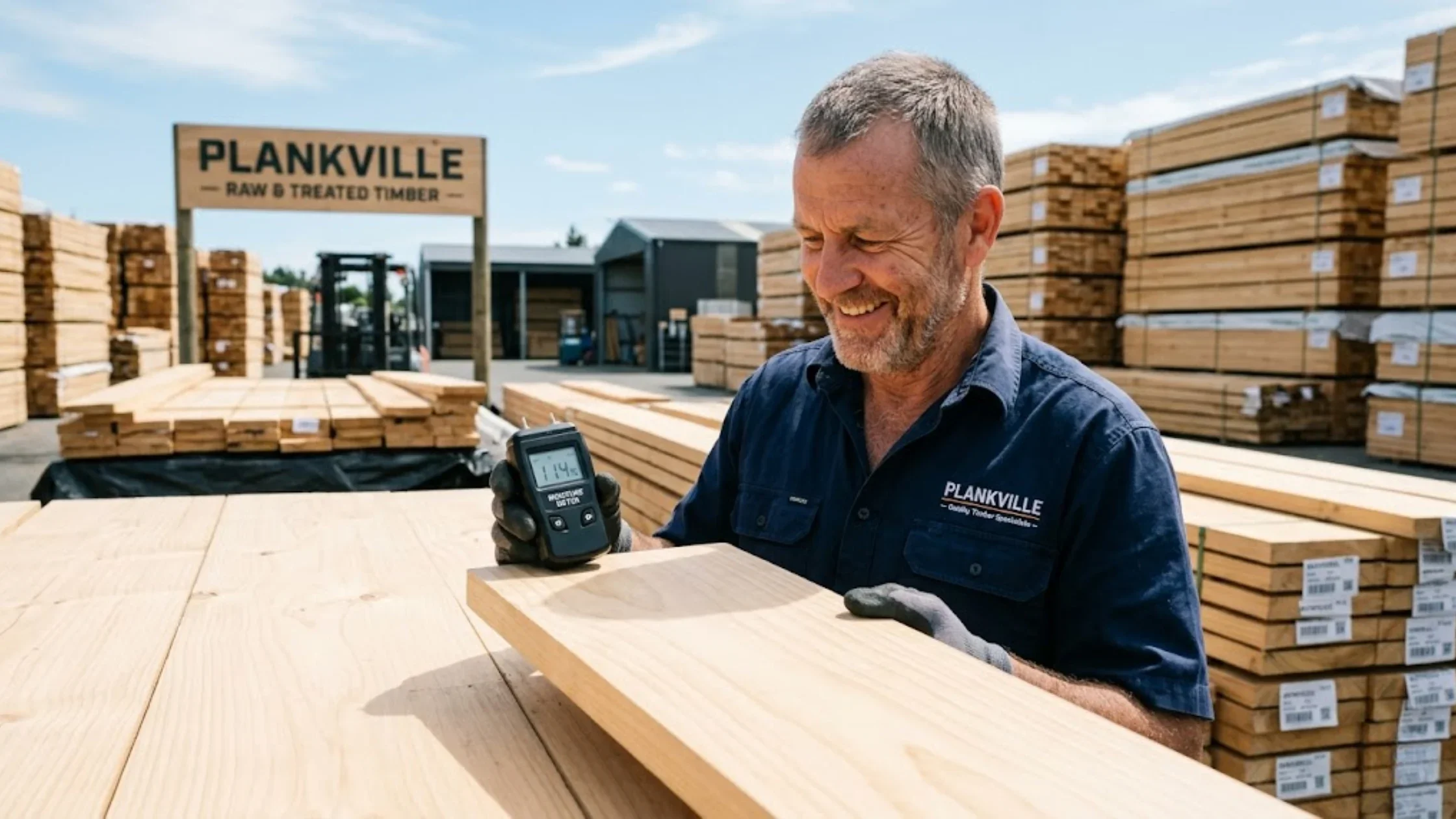
Here at Plankville, we have spent years and years working closely with wood. We know exactly how it behaves and what makes it happy. We do not just chop down a tree and hand you the raw wood. We take our time to dry it out perfectly. This is a very important step. By slowly and carefully drying the timber, we teach it how to handle the changing New Zealand weather.
When wood is dried the right way, it will not jump around and change shape as much when you finally put it inside your house. We make sure the wood is stable, calm, and ready to do its job. This means when you buy wood products from us, you are getting the safest and strongest timber around. We take away the guesswork so you can just enjoy building.
We also love to share a special secret with all our builders and homeowners: always leave a tiny gap! When you put pieces of wood next to each other, you must leave a very small space for the wood to grow. Think of it like giving the wood enough room to breathe and stretch its legs. If you do not give it space, the wood will fight with the pieces next to it. For more rules on how to build safely, the New Zealand government provides a helpful Guide to Tolerances that shows why getting this right is so important for a safe home.
Making the Smart Choice for Your Family
When you choose to work with us, you are not just buying pieces of wood. You are buying total peace of mind. You are buying a home that will stay beautiful and strong for your children and your grandchildren to enjoy. Our timber is specially made to handle everything the New Zealand weather can throw at it. We care about the safety and beauty of your home just as much as you do. We want your floors to stay perfectly flat and your doors to open smoothly every single time you push them.
Nobody wants to spend their precious weekends fixing cracked wood or painting over ugly gaps. By learning about how wood moves and choosing the right supplier, you get to spend your time enjoying your lovely home instead. We are always here to give you the best advice and the highest quality materials. We want to make your building project fun and easy.
Let Us Build Something Lasting Together
Are you ready to start your next home project with total confidence? Do not let expanding and shrinking wood ruin all your hard work. You deserve a home that looks absolutely perfect in every single season.
Reach out to our friendly team at Plankville today. We would love to sit down, chat with you about your big plans, and help you pick out the absolute best timber for your special job. Visit our website to see all the wonderful things we can do for you. Let us build something beautiful and lasting together!
FREQUENTLY ASKED QUESTIONS
-
Wood is a natural material that acts exactly like a sponge. In New Zealand, the weather changes from very wet to dry very quickly. When the air is damp, the wood soaks up invisible water and expands. When the hot sun dries the air, the wood loses water and shrinks. This constant change in the air causes the timber movement NZ homeowners often see in their floors and doors.
-
You should always leave a tiny gap when putting down wooden boards. A very good rule is to leave about two to three millimetres of empty space between each board. This gives the wood plenty of room to grow when the air gets wet. If you pack the boards too tightly together, they will push against each other and bend, which can ruin your beautiful floor or deck.
-
Painting or sealing your wood helps a lot, but it does not stop the movement completely. Paint acts just like a warm raincoat for your timber. It slows down how fast the wood drinks up water from the damp air. While the wood will still expand and shrink a little bit, a good coat of paint or oil will keep it much safer and make the wood last a lot longer.
-
For outdoor projects in New Zealand, you need very tough wood that can handle the heavy rain and hot sun. Macrocarpa and treated pine are wonderful choices because they are very strong. At Plankville, we prepare our wood perfectly so it stays stable outside. Picking the right tough wood means your deck or fence will stay looking great without breaking apart.
-
A sticking door usually means the wood has grown bigger because it soaked up water from the wet air. To fix it easily, you can wait for the dry summer months when the wood will shrink back down to its normal size. If it is really stuck tight, you might need to gently sand the edge of the door. Always paint the newly sanded edge to keep the wet air out!
-
Gaps happen when your beautiful wooden floor loses water and shrinks. This is very common during dry summer months or when you turn on your warm winter heaters, which dry out all the air inside your house. Most of the time, these gaps are completely normal and will close back up when the air gets wetter. It is just natural timber movement happening.
-
You can help stop cracks by taking very good care of your wood. Make sure you buy timber that has been dried perfectly by experts like our team at Plankville. Also, keeping your home at a nice, steady temperature helps a lot. You can use special oils on the wood to keep the water levels balanced. This stops the wood from drying out too fast and splitting.
-
Acclimatising timber means letting the wood get used to its new home before you build with it. You should leave the new wood inside your house for about a week before you start nailing it down. This gives the wood time to adjust to the temperature of your room. It is the absolute best way to prevent surprise shrinking or expanding after your project is done.
-
Yes, it is very normal! When a brand new house is built, all the wood is still getting used to its new environment. As the seasons change for the first time, the timber will grow and shrink slightly. This natural movement makes creaking and popping sounds. Over time, as the wood settles into its final shape, the noises will stop. There is nothing to worry about.
-
The best place to find high-quality, stable timber is right here at Plankville. We take great pride in carefully preparing and drying our wood so it is perfectly ready for your home. We understand the tricky New Zealand weather better than anyone else. Our friendly experts are always happy to help you pick the exact right wood products for a beautiful project.
