The Complete Guide to Timber Grades and Cuts (Slabs, Flitches, Beams Explained)

Have you ever looked at a beautiful wooden table and wondered how it was made? Building something out of wood is an amazing feeling. Picking the right piece of wood is the very first step to making your dream project come true. But when you go to buy wood, the words and labels can be very confusing. You might hear words you do not know.
You might wonder about the timber slab meaning or hear someone ask what is a flitch. When you know what these words mean, buying wood becomes easy and fun. We are here to help you understand the different types of wood you can buy. This guide will walk you through the world of timber grades and cuts NZ so you can feel confident when you start building.
Key Takeaways
Timber is sorted by how it looks and how strong it is.
A slab is a thick, wide piece of wood, often with a natural edge.
A flitch is a group of wooden slabs cut from the exact same log.
Knowing your cuts helps you pick the right wood for the right job.
The team at Plankville has the local knowledge to help you find perfect wood.
Understanding Timber Grades
When trees are cut down and turned into wood, not every piece is the same. Some pieces have many knots, and some are completely smooth. To make things simple, wood is sorted into different groups. This sorting process is what we call grading. When you learn about timber grades and cuts NZ, you will find that wood is mostly graded in two ways.
The first way is visual grading. This means people look at the wood to see how pretty it is. If you want to make a smooth cabinet, you will want a high visual grade with very few knots or marks. The second way is structural grading. This tests how strong the wood is. If you are building a house, you do not care as much about how the wood looks. You care that it can hold up a roof. Knowing the grade tells you if the wood is meant for making a pretty table or a strong wall.
What is a Slab?
If you want to make a big, beautiful dining table, you will probably want to use a slab. The real timber slab meaning is quite simple. A slab is a very thick, wide piece of wood cut straight down the length of a whole log. Instead of cutting the log into lots of small, thin boards, the mill leaves the piece big and wide.
Most of the time, slabs have a live edge. This means the outside edges of the wood still look like the outside of the tree. Sometimes the bark is even left on. People love slabs because no two pieces ever look the same. You get to see the whole story of the tree in the swirling grain and rich colours. If you want a centrepiece for your home, exploring our beautiful wood products is a wonderful place to start.
The Mystery of the Flitch
As you learn more about wood, you will hear a funny-sounding word. You might ask, exactly what is a flitch? A flitch is a very special way to cut and keep wood. Imagine taking a whole log and slicing it lengthwise, like slicing a loaf of bread. Instead of mixing all those slices up, you keep them stacked together in the exact order they were cut.
When you buy a flitch, you are buying those matching slices. This is very helpful if you want to make a large table but one slab is not wide enough. You can take two slices from the same flitch, open them like a book, and glue them together. Because they grew right next to each other in the tree, the lines in the wood will match perfectly. It creates a stunning mirror effect. You can find beautiful, matched wood for your next big idea by checking out our flitches, slabs, and more.
Strong Beams and Everyday Cuts
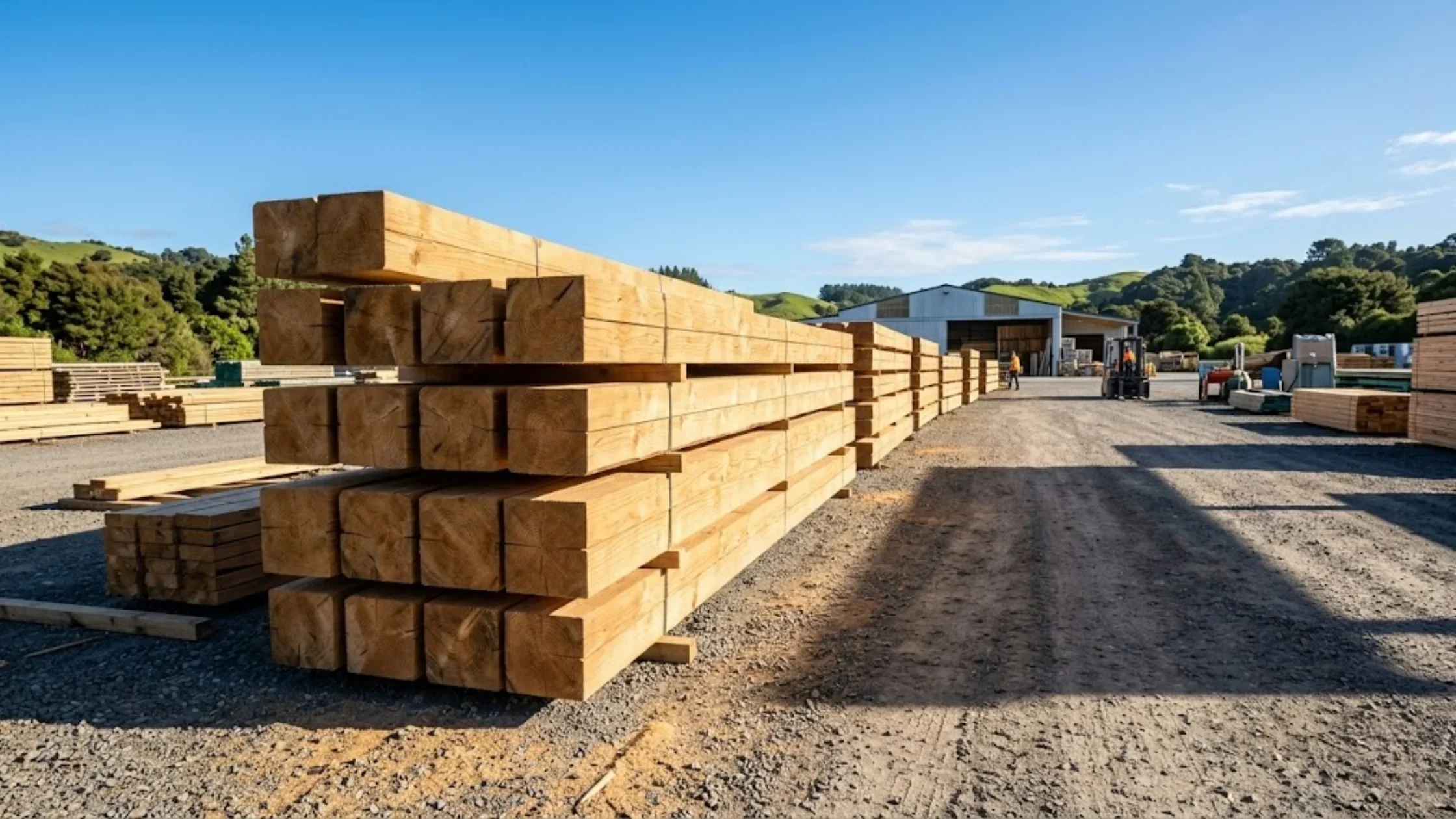
Not all wood is meant to be a fancy table. Sometimes you just need strong, reliable wood to build a deck, a pergola, or a house frame. This is where large beams and standard cuts come in. Beams are big, thick squares or rectangles of wood. They are cut from the strongest part of the tree to hold heavy weight.
When you visit a sawmill, you will also see normal square timber used for everyday building. Whether you need a massive beam to hold up a ceiling or standard wood for a backyard project, knowing the cut you need saves you time and money. For strong, reliable building materials, you can always look at our standard timber choices.
Bringing Your Project to Life
Working with natural wood is a joyful experience. Every knot and line tells a story about where the tree grew. At Plankville, we have spent years working with the best wood in New Zealand. We know how to cut it, dry it, and prepare it so it lasts for a lifetime.
When you use the right piece of wood, your project will look better and last longer. You do not have to guess which piece is best. We are here to answer your questions and guide you to the perfect piece of timber. Ready to start building your dream project? Explore everything we offer at Plankville and let us help you find the exact wood you need today.
FREQUENTLY ASKED QUESTIONS
-
In New Zealand, timber is mostly graded by how it looks (visual) and how strong it is (structural). The main cuts include wide slabs, matching flitches, heavy building beams, and standard boards. Choosing the right cut depends on if you are building a house frame or a pretty dining table.
-
A timber slab is a thick, wide piece of wood cut straight down the length of a log. It usually keeps the natural edge of the tree on the sides, which we call a live edge. This cut shows off the beautiful grain and colour of the wood in one large, very heavy piece.
-
A flitch refers to a log that has been sliced into several thick slabs, but the slabs are kept together in the exact order they were cut. Woodworkers love flitches because they can use matching pieces of wood to build large, beautiful furniture where the wood grain matches perfectly.
-
For a dining table, you want wood that looks beautiful and is very hard. Hardwoods are best because they do not scratch easily. Many people choose large slabs or matching pieces from a flitch to create a unique, natural look. You also want to ensure the wood is fully dried.
-
Visual grading is all about how the wood looks on the outside. It checks for knots, marks, and clear grain, which is important for furniture. Structural grading checks how much weight the wood can safely hold without breaking, which is very important for building safe houses and decks.
-
Leaving the bark on a piece of wood is called a live edge. People do this because it brings a piece of nature indoors. It makes tables, benches, and shelves look rustic and unique. However, the bark must be sealed properly so it does not dry out and fall off over time.
-
Rough sawn timber has not been smoothed down yet, so it feels very bumpy and fuzzy. You can use it indoors if you want a very rustic cabin look, but it is hard to clean. Most people choose to sand rough sawn timber smooth before they turn it into indoor tables or chairs.
-
Large wooden beams are usually cut right out of the very centre of the log. This part is called the heartwood. It is the oldest and strongest part of the tree. Cutting beams from the centre makes sure the wood is strong enough to safely hold up heavy roofs and big floors.
-
When wood is cut, it is full of water. If you build with wet wood, it will warp and crack as it dries. Kiln dried means the wood was put into a giant, warm oven to slowly and safely take the water out. This makes the wood safe and ready to be used for furniture inside your warm house.
-
You can buy excellent timber straight from local mills like Plankville in New Zealand. Buying from a local mill means you get expert advice on the best wood for your job. They can help you pick the perfect slab, beam, or flitch, and even cut the wood to the exact size you need.
