
Choosing the Right Timber Thickness for Tables, Benches & Shelving
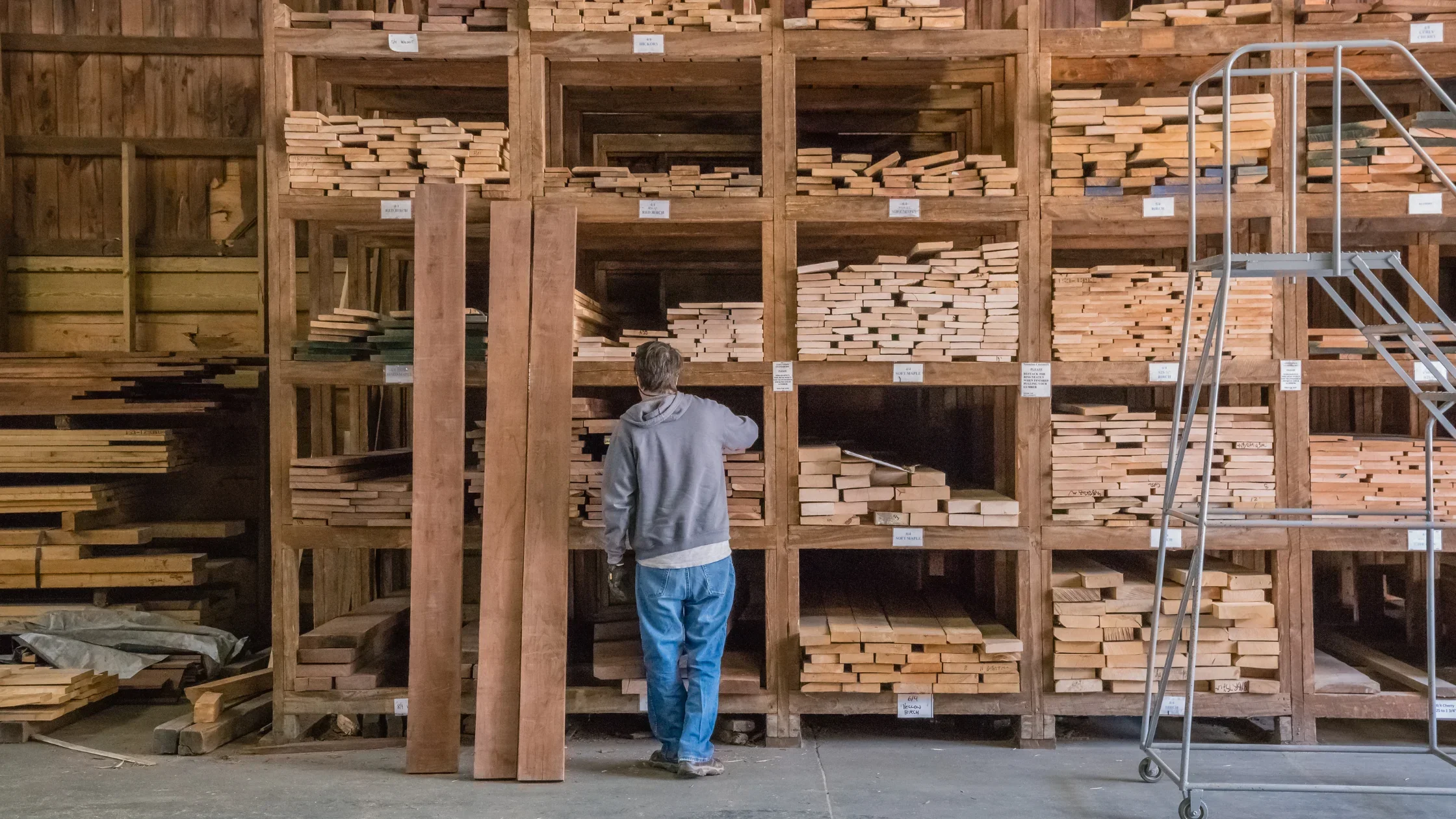
Structural considerations for slabs, flitches and custom furniture builds
Why Timber Thickness Matters More Than You Think
At first glance, timber thickness might seem like a design choice. Thicker wood looks stronger. Thinner wood looks lighter and modern. But when it comes to tables, benches, and shelving, thickness is not just about appearance — it directly affects strength, safety, lifespan, and long-term value.
Choose timber that’s too thin and you risk sagging shelves, cracked joins, or tables that flex over time. Go too thick without understanding structure and you may overspend or end up with furniture that feels bulky and impractical.
For anyone working with slabs, flitches, or custom timber builds, understanding thickness is essential. At Plankville, this decision is guided by hands-on experience milling, drying, and supplying real timber for real homes and projects across New Zealand.
This guide explains what timber thickness really means, how it applies to different furniture types, and how to choose the right option for strength, durability, and style.
Key Takeaways
Timber thickness directly affects strength, safety, and lifespan
Tables typically need 40–60mm thickness depending on span
Benches require thicker timber to handle movement and weight
Shelving needs enough depth and thickness to prevent sagging
Slabs and flitches benefit from extra thickness for stability
Expert guidance helps avoid long-term structural problems
Understanding Timber Thickness in Plain Terms
Timber thickness refers to the depth of the wood once it has been milled and dressed, not its rough sawn size. For example, a slab listed as 50mm may finish closer to 45mm after drying and planing.
With slabs and flitches, thickness is especially important because these pieces are often used as single, uninterrupted spans — dining tables, long benches, floating shelves — where weight and movement matter.
Several factors influence how thick timber needs to be:
The length of the span
How much weight it must carry
Whether it is supported or cantilevered
The timber species
Indoor or outdoor use
Plankville works closely with builders, designers, and homeowners to match thickness to real-world use, not just looks. You can explore available slab and flitch options here.
Timber Thickness for Different Furniture Types
Timber Thickness for Tables: Strength Meets Stability
Tables are load-bearing surfaces. They deal with daily weight, movement, and pressure — especially dining tables, workbenches, and office desks.
For most solid timber tables, a finished thickness of 40–50mm is the sweet spot. This provides enough mass to resist bending while still feeling balanced in a home setting.
Larger dining tables or statement slab tables often benefit from 60–75mm thickness, particularly when:
The span exceeds 2 metres
The slab is live edge
The base design provides limited central support
Using timber that’s too thin for a wide span can lead to gradual sagging, even if the table looks solid at first. Plankville’s experience supplying custom table slabs ensures each piece is selected for both beauty and structural integrity.
Timber Thickness for Benches: Built for Weight and Wear
Benches take more abuse than tables. People sit, shift, climb, and place uneven loads on them. Because of this, thickness is critical.
For indoor benches, 45–60mm timber works well, especially when paired with strong legs or steel supports. Outdoor benches or long seating should lean closer to 60mm or more, as timber expands and contracts with weather.
Live edge bench seats made from flitches are particularly popular, but they must be thick enough to prevent flexing across the grain. This is where Plankville’s slab selection and milling expertise makes a real difference.
Timber Thickness for Shelving: Preventing Sag Before It Starts
Shelves fail quietly. They don’t usually snap — they slowly sag until they look tired or unsafe.
For solid timber shelving:
25–30mm works for short spans (under 800mm)
35–40mm is better for longer shelves or heavier loads
45mm+ is ideal for floating shelves or feature shelving
Depth also matters. A deep shelf with thin timber will sag faster than a shallow shelf of the same thickness.
When shelving is made from slabs or flitches, thickness helps stabilise natural grain movement and adds confidence for long-term use. Plankville can advise on the best slab depth for shelving that lasts.
Why Slabs and Flitches Need Extra Thought
Unlike laminated boards, slabs and flitches are single pieces of timber. This gives them unmatched character — but it also means they respond more to gravity and moisture.
Thicker slabs:
Resist cupping and twisting
Handle wider spans safely
Allow for future re-flattening
Feel substantial and premium
Plankville’s timber is carefully dried and milled to reduce movement, but correct thickness is still the first line of defence. This is especially important for custom builds, where there’s no standard size to fall back on.
Choosing Thickness Based on Real Use
A common mistake is choosing timber thickness based only on photos or trends. Online images rarely show what happens after years of use.
Plankville works from a practical mindset:
How will this piece be used daily?
How long does it need to last?
What support does it really have?
This approach leads to furniture that doesn’t just look good on day one — it performs for decades.
How Plankville Helps You Get It Right
Choosing the right timber thickness doesn’t need to be guesswork. With locally milled slabs, flitches, and custom timber, Plankville helps you:
Select timber suited to your project
Match thickness to span and load
Avoid costly mistakes
Build furniture with lasting value
Whether you’re planning a dining table, bench seat, shelving, or a full custom build, expert advice makes all the difference.
👉 Explore timber options.
👉 View slabs & flitches.
👉 Get expert advice.
FREQUENTLY ASKED QUESTIONS
-
Most solid timber dining tables perform best at 40–60mm, depending on size and support.
-
For longer shelves, 35–45mm thickness is recommended, especially for heavy items.
-
Yes. Thicker slabs resist bending, cupping, and movement better over time.
-
It can be, but only with short spans and proper support. Thinner timber has less margin for error.
-
The best thickness depends on use, span, and timber type — expert advice ensures the right balance.
