
The Secret to Long-Lasting Outdoor Tables: Proper Joinery & Grain Direction
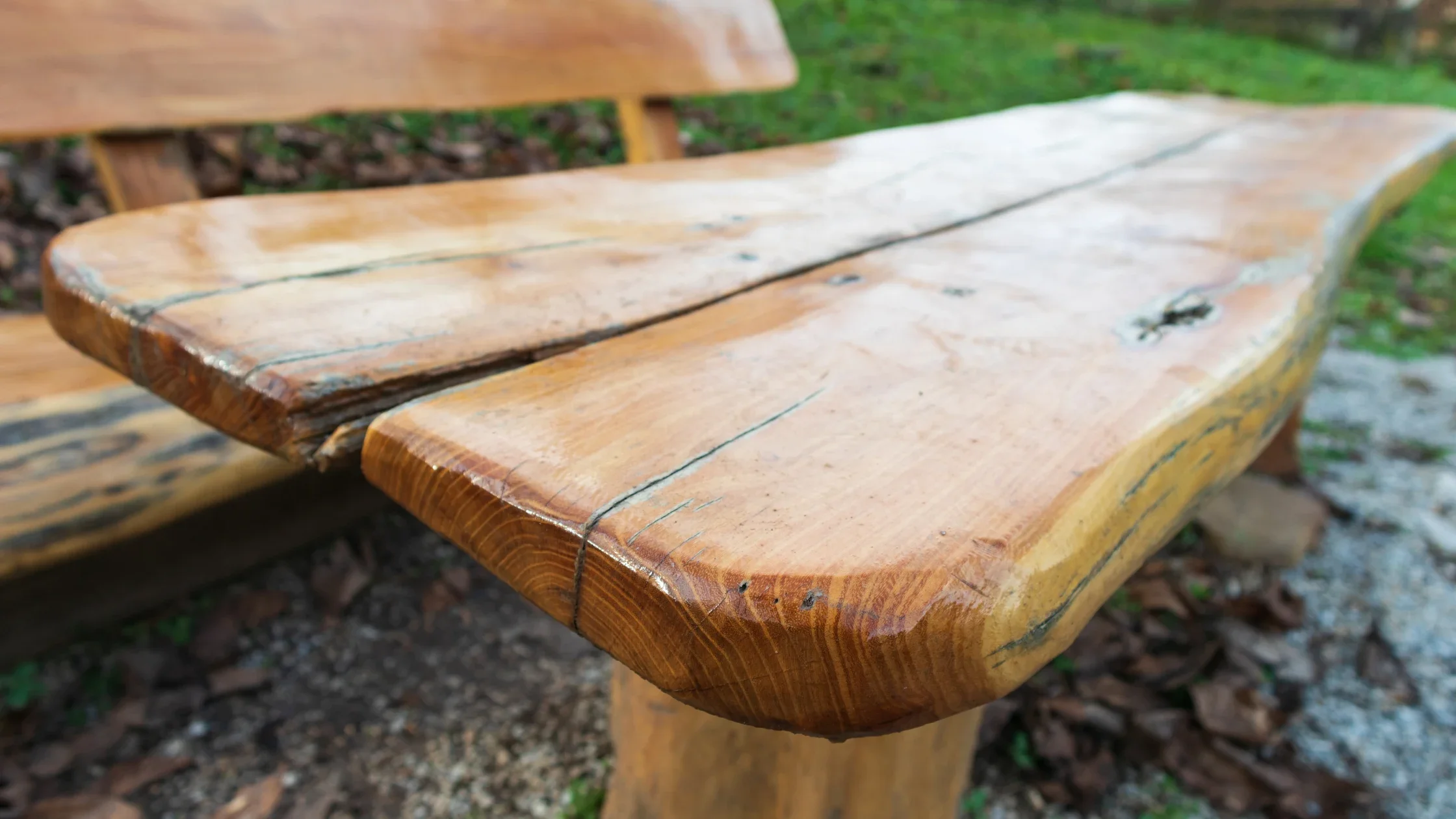
Why Some Outdoor Tables Last Decades (and Others Don't)
Have you ever touched a solid timber table and felt the smooth strength of real wood? You sensed something special about a well-made piece. But have you thought about why some outdoor tables stick around for generations while others start to warp, crack, or wobble after just a season or two?
The difference goes beyond the wood type — it's about the craftsmanship. At Plankville, each table, planter box, and timber piece has a story to tell about skill, sustainability, and precision. Two key factors contribute to the longevity of outdoor furniture: joinery and grain direction. These elements form the core of genuine woodworking expertise — aspects that often go unnoticed but have a significant impact over time.
The Craftsmanship Behind Every Plankville Table
What Is Joinery — and Why Is It Important?
Joinery connects two or more pieces of timber. A table with bad joints might look okay at first, but weak spots will pull apart as the wood swells and shrinks with New Zealand's weather changes. Good joinery keeps the structure solid even through rain, dampness, and sunshine.
Plankville's craftspeople use proven woodworking techniques like mortise and tenon, dovetail, and lap joints — each picked for its toughness and adaptability based on the furniture's use. Unlike quick, factory-built furniture held together by screws and glue old-school joinery creates a connection through design, not relying on hardware.
We measure, cut, and fit each joint by hand to create a tight smooth finish. This manual method ensures the wood moves without separating keeping your outdoor table as strong as when you first got it.
Check out our craftsmanship in action at Plankville in Action.
How Timber Grain Direction Matters
Wood stays alive even after it's cut. Its grain direction affects how it reacts to moisture, temperature, and pressure. To build outdoor furniture that can handle New Zealand's weather changes, you need to understand this natural movement.
At Plankville, we take a close look at the grain of each plank before we cut it. Putting boards in the right direction helps stop warping and splitting. Knowing about grain also has an impact on how things look — it gives the surface its natural beauty and unique pattern making sure every table is special.
A basic rule in woodworking: follow the grain, don't go against it. When we respect how the grain goes, wood grows and keeps its shape for many years.
Why Pick Plankville for Outdoor Wood Furniture?
You're not just buying a table — you're getting craftsmanship that cares about strength, design, and helping the local area.
Here's what makes Plankville's way of doing things different:
Local Timber, Ethically Sourced: We get every slab, flitch, and board from New Zealand suppliers who care about the environment as much as we do. Check out our wood options here.
Handcrafted Precision: Our skilled workers make each outdoor table unique. They pay attention to every detail making sure all parts fit together .
Built for NZ Conditions: Our outdoor tables look great and work well in both damp coastal areas and dry inland regions.
Custom Creations: We make outdoor furniture that fits your space just right, from simple tables to fancy garden pieces. Find out more about what we offer here.
This mix of traditional methods and contemporary styling makes sure your Plankville item isn't just eye-catching — it endures.
Add Genuine Craftsmanship to Your Yard
If you prefer quality to quantity, Plankville is your neighborhood specialist in making furniture that lasts. Every connection, every wood pattern, every bend has a purpose — to create a piece you'll enjoy gathering around for a long time.
📍 Check out our workshop or browse our selection of wood products.
🌿 Take a look at planter garden beds and sheds built with the same attention to detail.
📞 Want to kick off your custom project? Get in touch with Plankville now and add enduring quality to your outdoor area.
Final Thought
Real craftsmanship goes beyond just making furniture — it involves knowing the material, honoring its qualities, and creating with intent. At Plankville, we don't produce tables; we create heirlooms — pieces that bring people together, stand up to the elements, and showcase the splendor of New Zealand timber.
When you pick Plankville, you're going for real quality long-lasting products, and hometown know-how — the kind of stuff that stays in fashion forever.
FREQUENTLY ASKED QUESTIONS
-
Mortise and tenon joints last the longest for outdoor tables. They give strength and can flex as the wood swells and shrinks with changes in moisture.
-
Grain direction changes how timber reacts to moisture. Lining up boards with the grain lets the wood move stopping cracks or warps as time goes by.
-
Hardwoods like macrocarpa and cedar do well outdoors. They fight off rot and last long — when skilled joiners put them together.
-
Oiling or sealing often helps guard the wood's surface and brings out its natural look. Always wipe off dirt and water to stop wear on the surface.
-
Furniture made nearby backs NZ craftspeople, cuts down on shipping, and makes sure the wood fits local weather — giving you furniture that lasts longer and is better made.
