
Common Mistakes to Avoid When Planning Outdoor Timber Projects
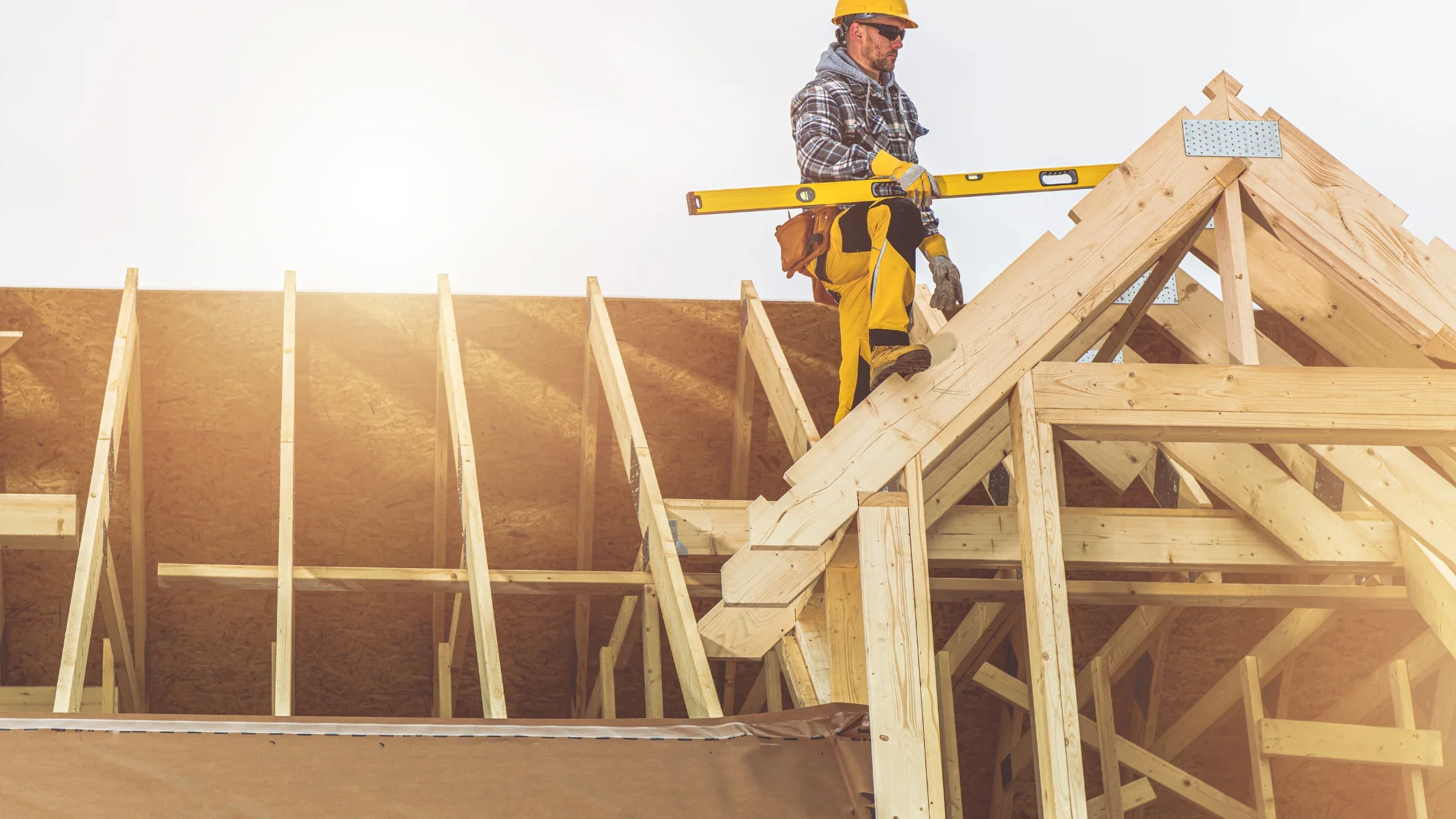
Planning an outdoor timber project can seem easy at first. You might picture a sunny deck, a strong shed, or a cool planter box. But if you don't plan well even big timber projects can go wrong wasting time, money, and materials. At Plankville, we've seen everything—from perfect builds to projects that had trouble because of mistakes that could have been avoided. If you know about these problems , you can save yourself stress and make sure your outdoor timber project lasts a long time.
In this guide, we'll look at the most common mistakes people make when they plan outdoor timber projects, with a focus on four main areas: drainage, sun exposure, ground preparation, and finishes. By the end, you'll know what to avoid and how to plan to succeed.
Key Takeaways
Drainage: Make sure water flows away from timber to stop rot and decay.
Sun Exposure: Think about sunlight and pick timber and finishes that fit.
Ground Preparation: Level and steady the site before you build.
Finishes: Use top-quality, climate-right finishes to protect and improve timber.
Expert Guidance: Work with pros to avoid costly mistakes.
1. Ignoring Proper Drainage
One of the biggest mess-ups in any wood project is not thinking about drainage. Water can mess up wood. Bad drainage causes rot, warping, and makes the structure weak. Even top-notch wood will break down quicker if water sits around it or gets into the joints.
Before you put down your first board, think about how your site slopes . Outdoor builds should have a tiny tilt to help water flow away. If your spot is flat, you might need to put in a French drain or some other way to drain water to protect your wood.
At Plankville, we often suggest raising timber off the ground with sleepers or supports. This easy step boosts air circulation and water drainage lowering the chance of water damage. To get more specific tips, check out our sheds and planter garden beds pages where we've built drainage ideas into the design.
2. Ignoring Sun Exposure
Sunlight plays a key role that many people don't think about enough. Wood left in strong sunlight without protection can split, lose color, or dry out hurting how it looks and how long it lasts.
When you're planning your project, think about which way your structure will face and what the weather's like in your area. Wood that gets lots of direct sunlight might need some shade or special coatings to protect it from UV rays. On the flip side, wood in shady spots can hold onto moisture, which can lead to mold and rot.
Let's say you're designing a deck or a pergola. Consider where it'll sit in relation to the trees in your garden and how the sun moves across the sky. Our custom wood services can help you pick the right wood and finishes that can stand up to both sunshine and outdoor conditions.
3. Skipping Ground Preparation
You can't skimp on a good foundation. Many homeowners jump right into construction without getting the ground ready. This can cause uneven surfaces, timber movement, and structure problems later on.
To prepare the ground , you need to clear out junk, make the site level, and fix any soil issues. Your project might need gravel, sand, or concrete supports to create a stable base. Skipping this step might look like a time-saver, but it often leads to expensive fixes.
At Plankville, we push for ground prep in all outdoor projects. From small garden beds to sheds to bigger timber structures starting with a strong base helps things last longer and cuts down on upkeep. Check out our timber products for materials that work well with prepared foundations.
4. Picking the Wrong Finishes
The finish you pick isn't just for looks—it's your timber's main shield against weather and use. Many wood projects don't last because people use the wrong finish or skip it altogether.
Outdoor wood needs good-quality stains, sealants, or paints made for outside use. Your finish should match where you'll put your project: sun-blocking coatings for bright spots, water-fighting treatments for damp areas, and regular upkeep for all finishes.
Here at Plankville, we help folks choose finishes that protect wood and bring out its natural good looks. Take a look at our flitches and slabs for wood that's set to finish with results that'll last a long time.
Why These Mistakes Are a Big Deal
Each of these blunders—bad drainage, wrong sun exposure, poor ground prep, and wrong finishes—can cut short how long your timber project lasts. They make upkeep more expensive, put safety at risk, and make your outdoor area less attractive.
Steering clear of these errors isn't just about quality; it's about making sure your money is well spent. Smart planning means your timber projects will be strong, look great, and need less work to maintain.
How to Get Your Plan Right
To nail the planning of an outdoor timber project:
Check your site to see how water drains how much sun it gets, and if the ground is stable.
Pick wood that works well in your area and for what you're building.
Get the ground ready with care so your structure stays strong for a long time.
Put on finishes that can handle your local weather and sun.
If you're not sure what to do, ask experts. The Plankville team knows all about wood and can help you from start to finish making sure everything is done right. Find out more about our custom wood services and begin planning a project you'll love for years.
By taking care of these things, you'll build outdoor wood projects that look great, work well, and last a long time.
FREQUENTLY ASKED QUESTIONS
-
Failing to prepare the ground and ensure good drainage stands out as the biggest error. This oversight can result in wood decay bending, and problems with the structure.
-
Apply coatings that resist UV rays, pick wood types known for their durability, and think about ways to shade areas that get direct sun.
-
Remove any trash, make the area flat, and set up supports or bases, like gravel or concrete, to make sure the deck stays stable.
-
Top-notch exterior stains, sealants, or paints that make wood water-resistant and protect it from UV rays are best for making it last longer.
-
While you can do it yourself, talking to experts like Plankville helps to plan , pick the right materials, and make sure your structure lasts.
